Pasta salad only earns a permanent spot in the rotation when the dressing clings, the vegetables stay crisp, and the feta shows up in every forkful instead of disappearing into the bowl. This Greek version hits that balance. The tomatoes soften just enough to give off juice, the cucumber stays cool and snappy, and the olives bring the briny punch that keeps the whole dish from tasting flat.
What makes this one work is the order. The pasta gets rinsed cold so it stops cooking and holds its shape, then it chills with the dressing long enough to absorb flavor without turning mushy. A little lemon juice brightens the olive oil and red wine vinegar, and most of the feta goes in early so it seasons the salad from the inside out.
Below, I’ll walk through the small details that matter most, including how to keep the pasta from soaking up the dressing too fast and what to change if you want to make this ahead for a crowd.
The dressing soaked in beautifully after an hour in the fridge, and the feta stayed creamy instead of getting lost. I added a little extra cucumber for crunch, and it held up great for lunch the next day.
Greek Pasta Salad with Feta Cheese is the one to tuck away for quick lunches, potlucks, and those nights when you want something cold, briny, and fresh without turning on the oven again.
The Dressing Needs a Chance to Sink In, Not Sit on the Surface
With pasta salad, the most common mistake is treating the dressing like a finish instead of part of the recipe. Warm pasta grabs flavor fast, but if you toss and serve immediately, the seasoning stays one-dimensional and the olive oil never gets a chance to coat each piece. Chilling for at least an hour changes the texture in a good way: the pasta settles, the vegetables stay crisp, and the vinegar loses that sharp edge.
This is also why the pasta gets rinsed under cold water. You’re stopping the cooking and washing away surface starch so the dressing can move around the bowl instead of turning gummy. If your pasta salad has ever clumped up after sitting, that starch is usually the reason.
- Cold pasta — Rinsing after draining is what keeps the salad light and separate. Hot pasta keeps softening and can make the feta smear instead of sit in clean crumbles.
- Chilling time — An hour is the sweet spot here. Less time and the flavor stays sharp on the outside; much longer and the cucumber starts to lose its crunch, which is why I keep a little extra feta back for the finish.
- Gentle tossing — The feta breaks down if you stir aggressively. Fold it in at the end so you get creamy pockets and intact crumbles instead of a salty coating on everything.
What Each Ingredient Is Actually Doing in This Salad
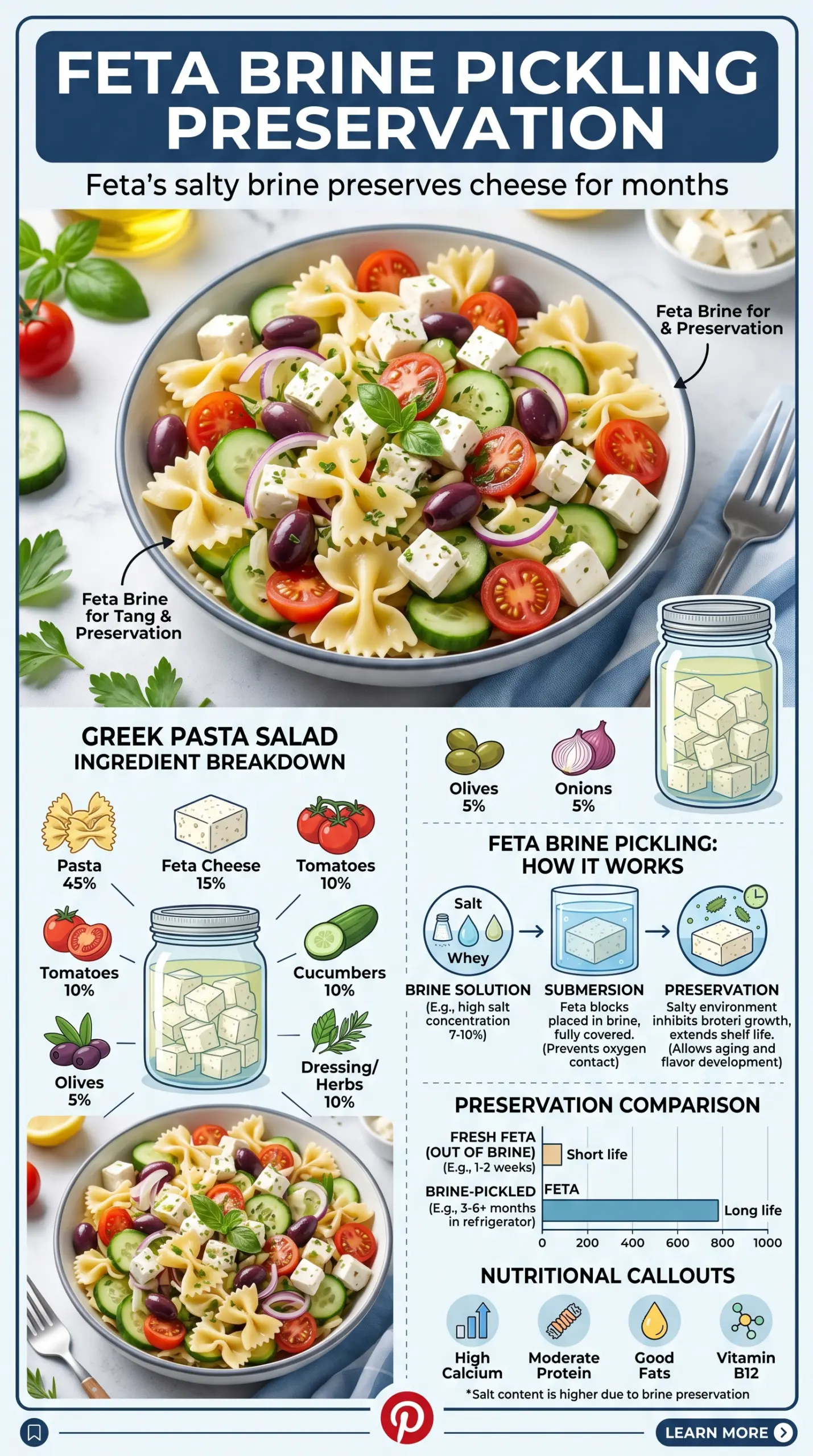
- Penne or rotini — Both shapes hold the dressing well, but rotini catches little bits of feta and chopped vegetables in the spirals. Penne gives a cleaner bite if you want a salad that feels a little less busy.
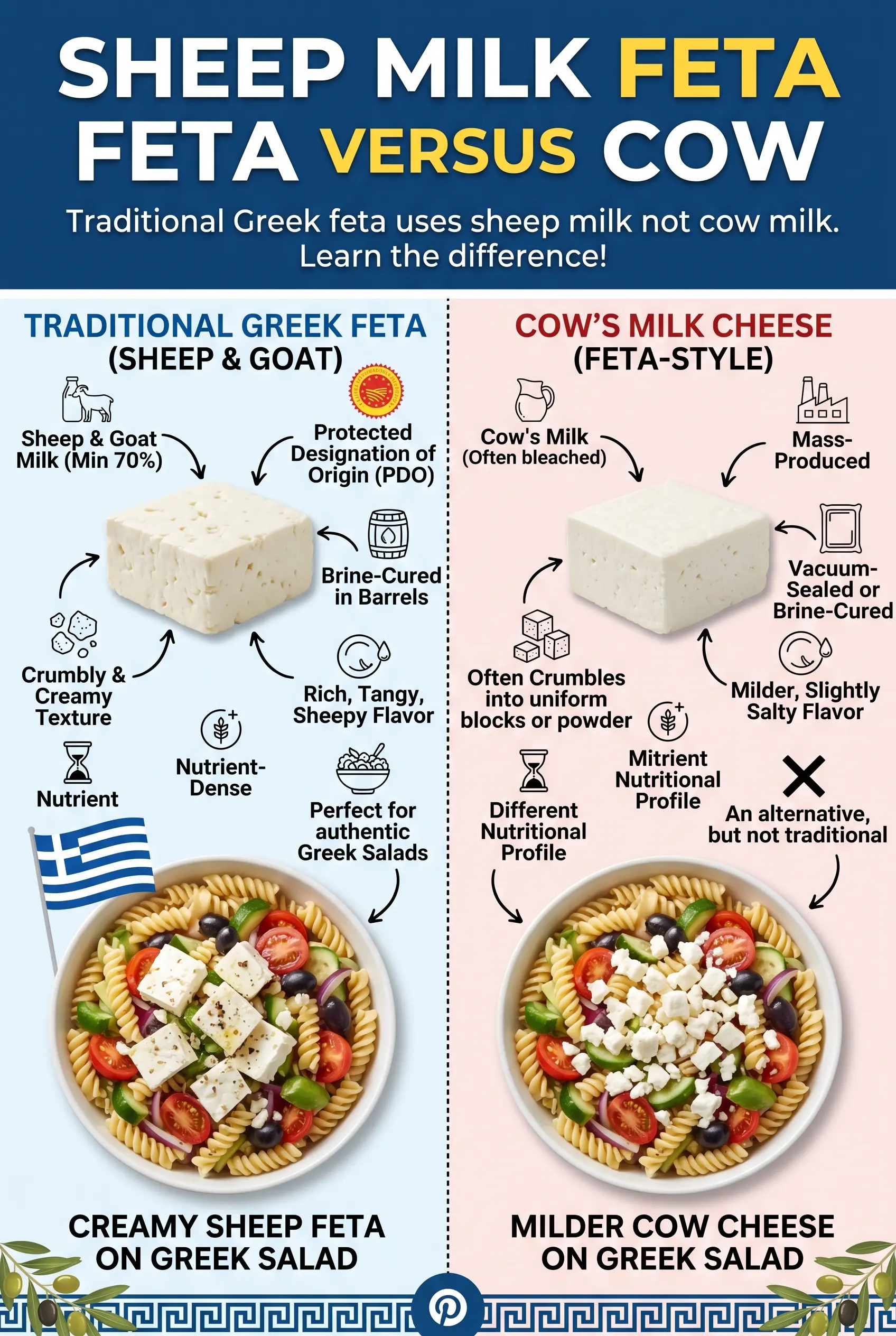
- Feta cheese — Buy a block if you can, then crumble it yourself. Pre-crumbled feta is drier and often coated to keep it from clumping, which means it melts into the salad instead of giving you those creamy, salty pockets.
- Kalamata olives — This is where the Greek character comes from. If you swap them for milder olives, the salad loses that briny depth, so keep them if at all possible.
- Red wine vinegar and lemon juice — The vinegar gives backbone and the lemon brightens the finish. You can use all vinegar in a pinch, but the lemon keeps the dressing from tasting heavy once it chills.
- Cucumber and tomato — These bring the fresh crunch and juiciness, but they also water the salad down if they sit cut for too long. Dice the cucumber fairly small and salt the whole bowl only after the dressing goes in so you don’t draw out extra liquid too early.
Building the Salad So the Pasta Stays Separate and the Vegetables Stay Crisp
Whisk the dressing until it looks unified
Start with the olive oil, vinegar, lemon juice, garlic, oregano, salt, and pepper in a bowl or jar. Whisk until the garlic is distributed and the dressing looks slightly cloudy, not broken into layers. If you skip this step and pour each ingredient over the salad separately, the pasta ends up unevenly seasoned and the garlic can clump in one spot.
Dress the pasta while it still has some room to absorb
Combine the cooled pasta with the tomatoes, cucumber, olives, red onion, and most of the feta, then pour the dressing over the top. Toss gently but thoroughly so the dressing reaches the bottom of the bowl. If the pasta looks dry after a few minutes, that’s normal — it will drink in some of the dressing as it chills.
Chill before the final toss
Cover the bowl and refrigerate for at least an hour. This is when the flavors settle into each other and the red onion loses some of its bite. Right before serving, give it one more toss and add the remaining feta on top so the salad looks fresh and the cheese stays distinct.
Three Smart Ways to Adapt This Pasta Salad
Make it gluten-free with a sturdy short pasta
Use a gluten-free rotini or penne that holds its shape after chilling. Some gluten-free pastas soften faster than wheat pasta, so pull it from the pot as soon as it’s al dente and chill it promptly to keep the texture from turning mushy.
Make it dairy-free without losing the briny edge
Leave out the feta and add a handful of chopped artichoke hearts or extra olives for salt and bite. You’ll lose the creamy pops of cheese, but the salad still reads clearly as Greek-style because the dressing, oregano, cucumber, and olives carry the flavor.
Make it a fuller meal with chickpeas
Add a drained can of chickpeas when you toss everything together. They soak up the dressing and give the salad more staying power, which makes this work well as lunch instead of just a side dish.
Storage and Reheating
- Refrigerator: Keeps for up to 4 days in a covered container. The pasta will absorb more dressing over time, so the salad gets a little softer and more seasoned by day two.
- Freezer: I don’t recommend freezing this salad. The cucumber, tomato, and feta all change texture in a way that turns the bowl watery once thawed.
- Reheating: This salad is meant to be served cold or cool. If it comes straight from the fridge, let it sit on the counter for 10 to 15 minutes and stir in a splash of olive oil or lemon juice if it needs loosening.
Answers to the Questions Worth Asking
Greek Pasta Salad with Feta Cheese
Ingredients
Method
- Cook penne or rotini pasta according to package directions until al dente, then drain. Rinse under cold water to stop cooking and cool it quickly.
- Whisk olive oil, red wine vinegar, lemon juice, minced garlic, dried oregano, salt, and pepper together until smooth and evenly combined. The dressing should look glossy and well blended.
- Combine pasta, halved cherry tomatoes, diced cucumber, pitted-and-halved Kalamata olives, thinly sliced red onion, and most of the crumbled feta in a large bowl. Toss gently until ingredients are evenly distributed.
- Pour the dressing over the salad and toss gently again until everything is coated. Stop when the pasta looks lightly slicked, not drowning.
- Refrigerate the pasta salad for at least 1 hour to let the flavors meld and the pasta firm up. Cover once chilled so the top feta doesn’t dry out.
- Top with the remaining feta right before serving. Finish with a quick taste and add extra salt and pepper if needed.