Bright pesto clings to every curve of the pasta, and after an hour in the fridge it settles into something even better: a cold, herb-heavy salad with juicy tomatoes, creamy mozzarella, and just enough lemon to keep it lively. The pasta stays sturdy, the pesto coats instead of pooling, and the whole bowl tastes like it was built for scooping straight from the serving dish.
The trick is tossing the pasta with pesto while it’s still warm. That little bit of heat helps the sauce spread evenly and soak into the ridges, so you don’t end up with pale noodles at the bottom of the bowl and a thick green lump on top. Rinsing the pasta under cold water stops the cooking fast and keeps the salad from turning soft, which matters here more than it would in a hot pasta dish.
Below, I’ve included the details that make this version work well for make-ahead lunches, potlucks, and easy summer sides, plus a few swaps if you want to change up the texture or work with what’s already in your kitchen.
The pesto coated the pasta perfectly, and after chilling for an hour the tomatoes had released just enough juice to make everything taste even fresher. I brought it to a cookout and the bowl was scraped clean.
Pin this pesto pasta salad for a cold, make-ahead side with basil, tomatoes, and mozzarella pearls.
The Part That Keeps Pesto Pasta Salad From Turning Heavy
Most pesto pasta salads go wrong in the same place: the pasta gets coated, then sits around long enough to drink up all the dressing and lose its shine. This version avoids that by using a full cup of pesto, a hit of lemon juice, and enough mix-ins that the bowl still feels balanced after chilling. The goal isn’t just green pasta. It’s a salad that still tastes fresh after an hour in the fridge.
- Warm pasta matters — Toss the pesto with pasta that’s just drained and still warm. That helps the sauce loosen and cling to the noodles instead of sitting in streaks on the bowl.
- Cold rinse stops the carryover cook — Rinsing under cold water keeps the pasta from softening while it chills. Skip that step and the texture can go mushy by the time you serve it.
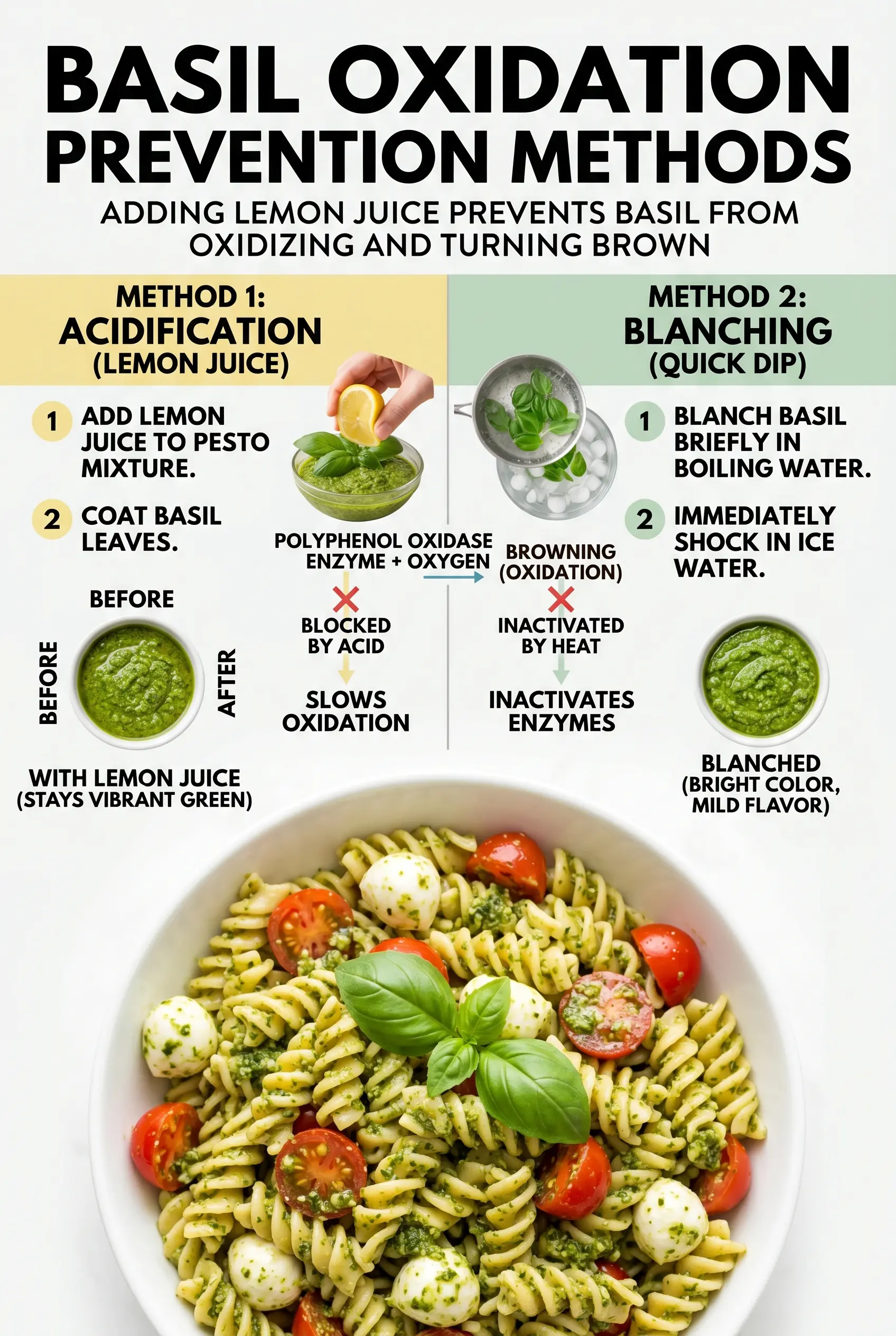
- Lemon keeps it awake — Pesto and mozzarella can taste rich on their own. Lemon juice cuts through that richness and keeps the salad from reading flat once it’s cold.
- Toasted pine nuts add the best crunch — Raw pine nuts are fine, but toasted ones bring a deeper, nuttier flavor that stands up against the basil and cheese.
What Each Ingredient Is Actually Doing in This Bowl
- Fusilli or penne — Both hold pesto well because of their ridges and shape. Fusilli catches more sauce in the twists, while penne gives you cleaner bites if you want a tighter-looking salad.
- Basil pesto — This is the flavor base, so quality matters here. Store-bought works fine, but if it tastes flat straight from the jar, the finished salad will too; a little extra lemon helps, but it can’t fix a bland pesto completely.
- Cherry tomatoes — They bring sweetness and moisture, which keeps the salad from feeling dense. Halving them matters because the cut sides release enough juice to mingle with the pesto without flooding the bowl.
- Mozzarella pearls — They give you creamy, mild bites that balance the sharpness of the Parmesan and lemon. If you can’t find pearls, cube fresh mozzarella into small pieces so it distributes evenly.
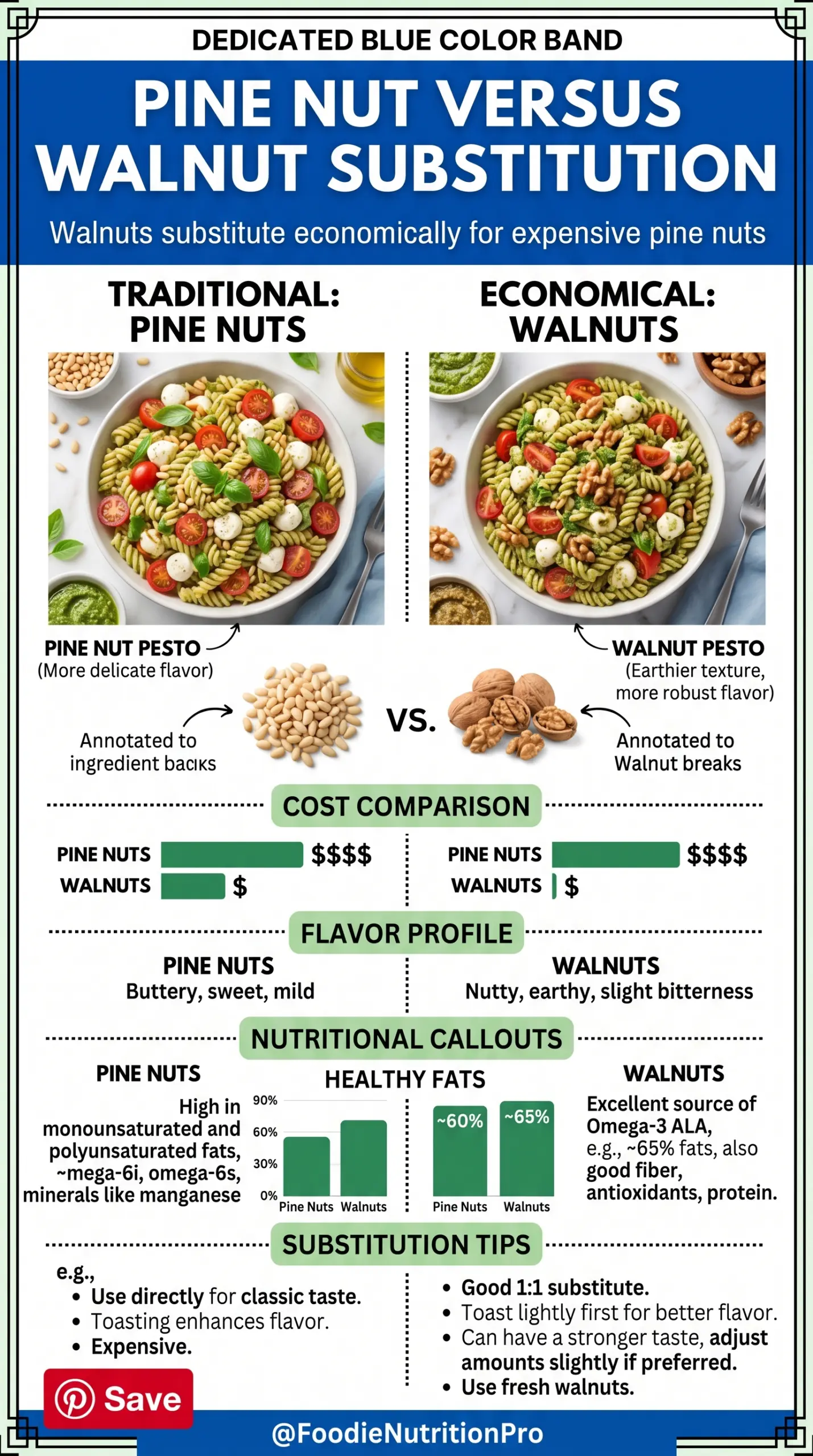
- Pine nuts — Their buttery crunch makes the salad feel finished. Walnuts or slivered almonds work in a pinch, but the flavor shifts away from the classic basil-pesto profile.
- Parmesan — It sharpens the pesto and adds saltiness without making the salad taste heavy. Grated Parmesan mixes in more smoothly than shredded.
- Lemon juice — It’s not there to make the salad sour. It brightens the pesto and keeps the flavors from tasting muted once chilled.
Building the Bowl So the Pasta Stays Coated After Chilling
Cook the Pasta Past Al Dente by a Hair
Boil the pasta until it’s just tender with a little bite left in the center, then drain it immediately. Because this salad gets chilled, the pasta firms up as it cools, so pulling it a minute early keeps the final texture pleasant instead of rigid. Rinse it well under cold water so it stops cooking and doesn’t cling together in a sticky mass.
Toss the Pesto in While the Pasta Is Warm
Put the drained pasta in a large bowl and add the pesto right away. Warm noodles spread the pesto more evenly, and that first coating acts like a base layer that flavors the whole dish. If the pesto looks too thick to move, a spoonful of the pasta’s residual warmth will loosen it; if it still seems heavy, add the lemon juice before the mix-ins go in.
Add the Mix-Ins Gently
Fold in the tomatoes, mozzarella pearls, pine nuts, Parmesan, and lemon juice with a broad spoon or spatula. Stir just enough to distribute everything without crushing the tomatoes or smearing the cheese. If you stir aggressively, the salad turns muddy and the mozzarella loses those clean, soft bites that make the bowl feel fresh.
Chill for the Flavor to Settle
Refrigerate the salad for at least an hour before serving. That resting time lets the pesto settle into the pasta and gives the tomatoes a chance to season the bowl with their juices. Taste again right before serving, because cold food needs a little more salt and pepper than the same dish tastes while it’s warm.
Make It Dairy-Free
Use a dairy-free pesto and skip the Parmesan and mozzarella, then add extra cherry tomatoes or a handful of chopped olives for more interest. You lose the creamy bites, but the salad still keeps its basil-forward character and holds up well chilled.
Swap the Nuts for a Different Crunch
If pine nuts are pricey or unavailable, use toasted slivered almonds or chopped walnuts. Almonds stay lighter and closer to the original texture, while walnuts bring a more earthy note that reads a little bolder against the pesto.
Turn It Into a Heartier Main Dish
Add diced grilled chicken, white beans, or chickpeas to bulk it up for lunch. Beans keep it vegetarian and make the salad more filling, while chicken gives it a more classic picnic-style main dish feel.
Storage and Reheating
- Refrigerator: Store covered for up to 3 days. The pasta will absorb more pesto as it sits, so the salad may look thicker on day two.
- Freezer: Don’t freeze this one. The tomatoes turn watery and the mozzarella loses its texture after thawing.
- Reheating: This salad is meant to be served cold. If it tastes tight after chilling, let it sit at room temperature for 15 to 20 minutes and stir in a small spoonful of pesto or a splash of lemon juice.
Answers to the Questions Worth Asking
Pesto Pasta Salad
Ingredients
Method
- Cook fusilli or penne pasta according to package directions until al dente, then drain. Visual cue: pasta should be tender but still have a bite.
- Rinse the drained pasta with cold water right away. Visual cue: the pasta stops steaming and looks glossy and cool.
- In a large bowl, toss warm pasta with basil pesto until evenly coated. Visual cue: every piece of pasta turns green and slick with pesto.
- Add cherry tomatoes, mozzarella pearls, pine nuts, Parmesan cheese, and lemon juice. Visual cue: colorful red tomatoes and white mozzarella pockets appear throughout.
- Season with salt and pepper and toss gently until combined. Visual cue: pesto coats the add-ins without breaking up the mozzarella pearls.
- Refrigerate the pesto pasta salad for at least 1 hour to allow flavors to develop. Visual cue: it thickens slightly and looks more cohesive and vibrant.
- Garnish with fresh basil leaves before serving. Visual cue: bright green leaves sit on top as a fresh finish.