Campfire baked beans turn thick, smoky, and glossy at the edges when the pot has enough time to bubble down over the fire. The bacon brings salt and depth, the brown sugar gives the sauce a sticky finish, and the BBQ sauce keeps everything moving toward that dark, spoon-coating texture that makes this side dish hard to stop eating.
The trick is not rushing the simmer. Once the beans are in the Dutch oven, the goal is steady heat and occasional stirring so the sugars don’t catch on the bottom before the sauce has time to thicken. The onions soften into the beans, the mustard sharpens the sweetness, and the Worcestershire adds that background savoriness that makes the whole pot taste more rounded.
Below you’ll find the one timing detail that keeps these beans from turning thin or scorched, plus a few easy swaps if you’re working with what you packed.
The sauce thickened up right on the fire, and the bacon stayed crisp enough to give every bite some texture. I stirred it a few times while the beans simmered, and it came out glossy and perfect.
Love the smoky, sticky finish of these campfire baked beans? Save them to Pinterest for your next cookout, camping trip, or barbecue side dish lineup.
The Part That Keeps Campfire Beans From Turning Thin or Burnt
Most campfire beans fail in one of two ways: they stay loose and soupy, or the sugar-heavy sauce scorches before it ever thickens. The fix is steady, medium campfire heat and enough uncovered simmering time for the liquid to reduce. You want lazy bubbles across the surface, not a hard boil that slaps the sides of the pot and drives the sugars to the bottom.
The other mistake is stirring too little. A Dutch oven on live fire creates hot spots, especially near the center and around the edges, so a quick stir every few minutes keeps the bacon, beans, and sauce moving together. When the mixture is done, it should mound slightly on a spoon instead of running off like soup.
What Each Ingredient Is Doing in the Pot

- Baked beans — Canned baked beans give you the thick, sweet base that makes this dish work quickly over a fire. If you swap in plain navy beans, you’ll need more sauce and more time to build body.
- Bacon — The crumbled bacon adds salt, smoke, and texture. Cook it first so it stays crisp enough to stand up to the beans instead of softening into the sauce.
- BBQ sauce — This is where the campfire flavor really deepens. A thicker, tomato-based sauce gives the best finish; watery sauces can leave the beans flat.
- Brown sugar — Brown sugar helps the sauce turn glossy and sticky as it reduces. If you cut it too far, the beans taste lean instead of rich.
- Ketchup — Ketchup brings acidity and extra tomato body, which keeps the sweetness from tasting one-note. It also helps the sauce cling to the beans.
- Onion — A diced onion softens into the pot and gives the beans a little savory bite. Dice it small so it disappears into the finished dish instead of staying crunchy.
- Mustard and Worcestershire — These are the balancing ingredients. Mustard sharpens the sweetness, and Worcestershire adds the deep, meaty note that makes the pot taste finished.
Building the Pot So the Sauce Reduces Evenly
Combining Everything in the Dutch Oven
Dump all the ingredients into the Dutch oven and stir until the sauce looks evenly coated around the beans. Don’t worry if it looks loose at first; it always loosens before it thickens. A wide pot gives the best surface area for reduction, while a deep, narrow pot traps steam and slows everything down.
Letting the Fire Do the Thickening
Set the pot over a campfire that has settled into steady coals or moderate flame. Bring the beans to a simmer, then keep them uncovered so the excess liquid can cook off. If the fire is too hot, pull the pot to a cooler edge; a rushed boil burns the sugar and leaves a bitter spot at the bottom.
Watching for the Right Finish
Cook for 25 to 30 minutes, stirring every few minutes, until the sauce clings and bubbles slowly around the edges. The beans should look glossy and thick, not dry or jammy. If they tighten too much before serving, add a splash of water or a little extra BBQ sauce and stir it through.
How to Adjust These Beans for Different Camps and Crowds
Make Them Meat-Free
Skip the bacon and use a smoky BBQ sauce plus an extra splash of Worcestershire if you don’t need them vegetarian. If you want a fully vegetarian version, use a vegetarian Worcestershire or leave it out and add a pinch of smoked paprika for depth. You’ll lose some of the savory richness, but the beans still come out bold and satisfying.
Use What You Packed
If you don’t have ketchup, add a little extra BBQ sauce plus a teaspoon of vinegar to replace some of that sweet-tart balance. No brown sugar? Use maple syrup or honey, but start with a little less because both sweeten faster and can make the sauce heavy.
Stretch the Batch for a Bigger Group
This recipe scales up cleanly as long as your pot has enough room for stirring. For a larger crowd, increase everything evenly and keep the heat moderate so the center of the pot heats at the same pace as the edges. A crowded pot takes longer to reduce, so plan on a few extra minutes.
Storage and Reheating
- Refrigerator: Store leftovers in an airtight container for up to 4 days. The beans thicken as they chill, which is normal.
- Freezer: These freeze well for up to 2 months. Cool completely, portion into freezer-safe containers, and leave a little headspace for expansion.
- Reheating: Reheat gently on the stovetop over low heat or in the microwave in short bursts. Add a splash of water or BBQ sauce if they’ve tightened up too much, and don’t crank the heat or the sauce can split and stick.
Answers to the Questions Worth Asking
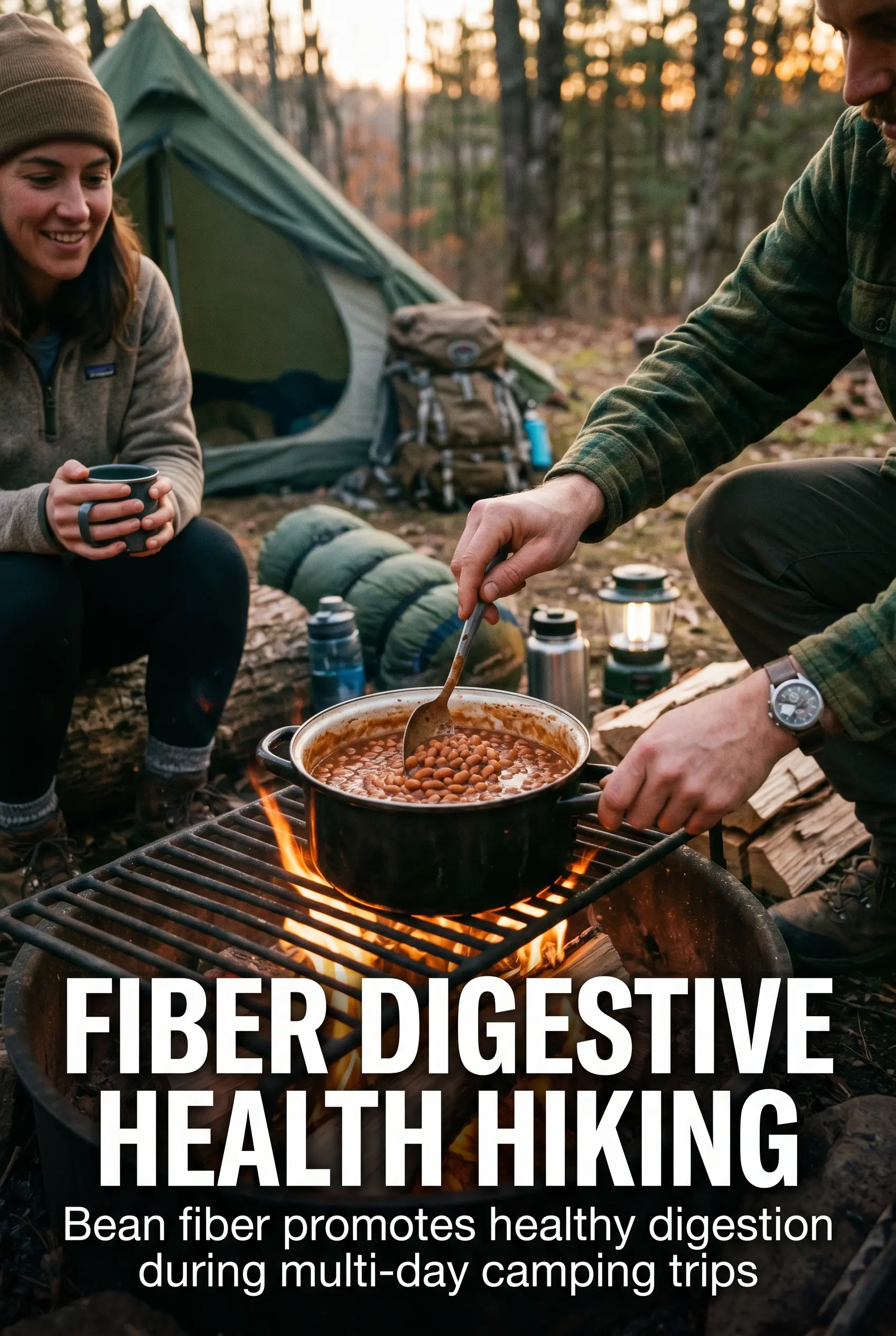
Campfire Baked Beans
Ingredients
Equipment
Method
- Add the baked beans, bacon, BBQ sauce, brown sugar, ketchup, onion, mustard, and Worcestershire sauce to a Dutch oven or large pot and stir to combine until evenly mixed. Bring the mixture to a simmer over the campfire grate.
- Cook the beans uncovered at a steady simmer for 25 to 30 minutes, stirring occasionally, until thickened and bubbly. Keep the surface actively bubbling so the sauce reduces and clings to the beans.
- Spoon the campfire baked beans into bowls while hot and serve immediately as a side dish. The beans should look glossy and cohesive with visible bacon flecks.