Classic Italian pasta salad earns its place at the table because it stays bold, chilled, and crowd-pleasing all the way through the last scoop. The pasta holds onto the dressing, the pepperoni brings a little salty bite, and the mozzarella softens everything without turning the bowl heavy. It’s the kind of side dish people keep circling back to because every bite has a little crunch, a little creaminess, and enough tang to keep it interesting.
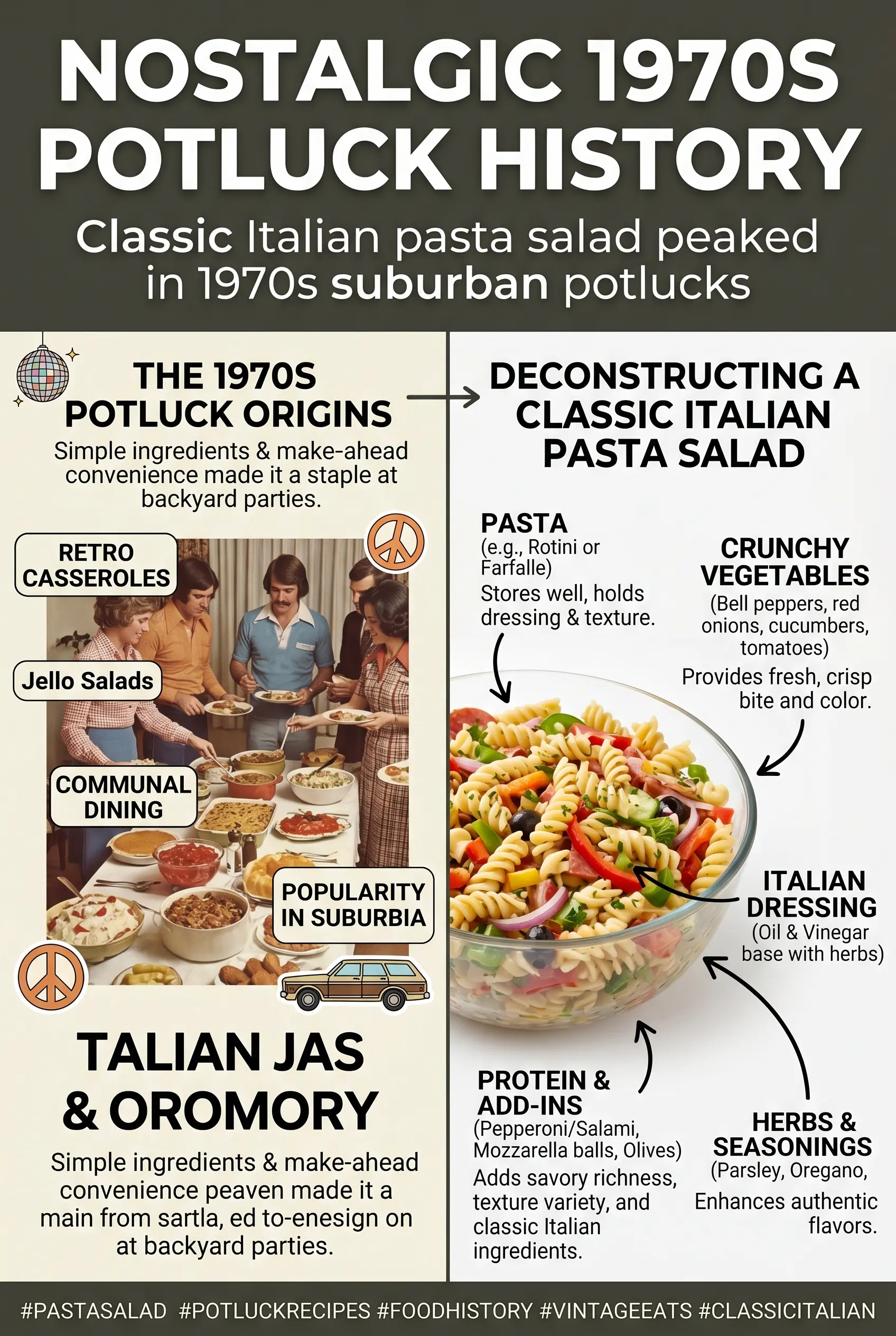
The trick is giving the pasta time to cool before the dressing goes in. Warm noodles drink up more of the Italian dressing, which keeps the salad from tasting slippery or watered down later. I also like to use tri-color rotini because the spirals catch bits of seasoning, onion, and Parmesan in all the right places. If you’ve ever had pasta salad that tasted flat after an hour, the fix is usually in the seasoning and the rest time, not in adding more ingredients.
Below, I’ve included the details that matter most: how to keep the pasta from going mushy, what to do if the salad seems dry after chilling, and the swaps that still keep the spirit of the dish intact.
The pasta soaked up the dressing after chilling and the flavor was even better the next day. I added a splash more Italian dressing before serving and it stayed bright, not dry or sticky.
Tri-color pasta salad with pepperoni and mozzarella is even better after a long chill, so it’s perfect for make-ahead lunches and potlucks.
The Reason This Pasta Salad Stays Bold After Chilling
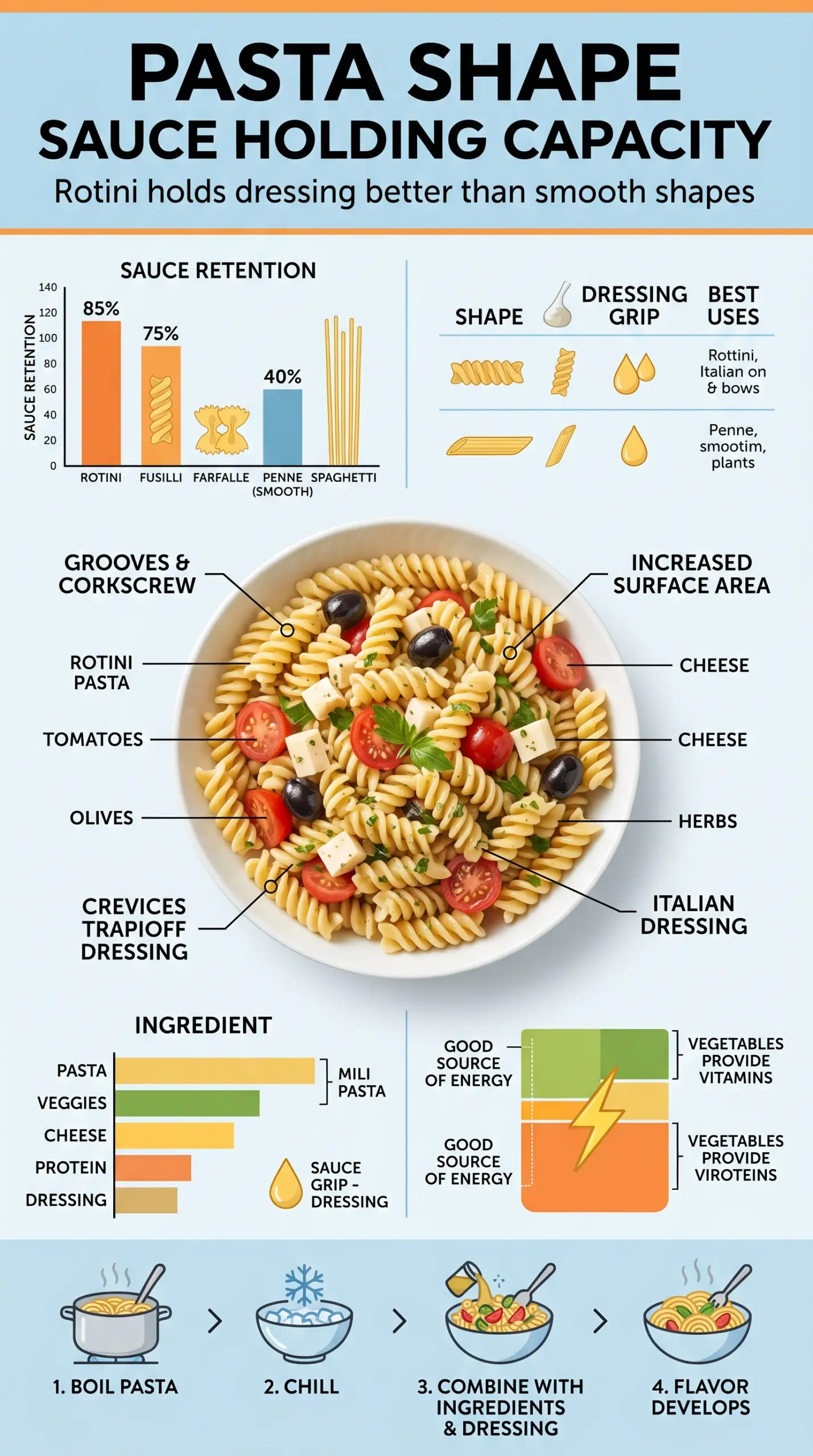
Most pasta salads go dull because the dressing sits on the surface instead of working into the noodles. Here, the rotini’s ridges and curves grab the Italian dressing, and the short chill gives the pasta time to absorb seasoning without turning soft. That’s why this salad tastes better after a rest instead of worse. The goal isn’t just to coat everything once; it’s to let the flavors settle into the pasta and bounce off the pepperoni, cheese, and vegetables.
The other thing people get wrong is the pasta temperature. If it’s still hot, the cheese starts to soften too much and the vegetables lose their fresh snap. Drain it, rinse it cold, and let the steam leave before you mix. That single step keeps the final bowl bright instead of greasy or limp.
- Tri-color rotini — The shape matters here. Rotini holds onto dressing better than smooth pasta, and the color gives the salad that familiar classic look. Any short pasta with ridges will work, but you’ll lose some of that cling.
- Italian dressing — This does the heavy lifting for both seasoning and acidity. Bottled dressing is fine, but use one you actually like, because the flavor comes through clearly after chilling. If the salad tastes flat, it usually needs a bit more dressing, not more salt.
- Pepperoni — Halving the slices helps them distribute through the bowl instead of clumping. It adds salt, spice, and a little richness that keeps the salad from tasting like plain vegetables and pasta.
- Mozzarella — Cube it so you get clean bites instead of shreds that disappear into the pasta. Fresh mozzarella is softer and wetter, so low-moisture mozzarella holds up better if you’re making the salad ahead.
What Each Ingredient Is Doing In The Bowl
- Cherry tomatoes — They add sweetness and a little juice, which wakes up the dressing. Halve them so their flavor spreads into the salad instead of disappearing in whole bursts.
- Green bell pepper and red onion — These give the salad crunch and bite. Dice them small so they don’t overpower each forkful. If raw onion is too sharp for you, soak it in cold water for 10 minutes first and drain well.
- Black olives — They bring briny depth that cuts through the cheese and pepperoni. Canned sliced olives are fine, but drain them thoroughly or they’ll water down the bowl.
- Parmesan and Italian seasoning — These finish the dressing with a little savory backbone. Parmesan should be finely grated so it clings evenly. If your dressing already tastes heavily seasoned, start with less and add more after the chill.
Building The Salad So It Stays Fresh Instead Of Heavy
Cooking The Pasta To The Right Bite
Cook the rotini until it’s just tender, not soft. Pasta salad needs a little structure because it softens again as it sits in the dressing. As soon as it’s done, drain it and rinse it under cold water until it’s no longer steaming. If you skip the rinse, the carryover heat keeps cooking the noodles and they’ll go mushy before serving.
Mixing The Bowl In The Right Order
Start with pasta, pepperoni, mozzarella, tomatoes, pepper, olives, and onion in a large bowl. Add the dressing, Parmesan, and Italian seasoning last so everything gets coated evenly. Toss with a light hand at first, then go back and fold it again once the ingredients are distributed. If you stir too aggressively, the tomatoes break and the cheese can smear instead of staying in tidy cubes.
Letting The Chill Do Its Job
Cover the bowl and refrigerate for at least 3 hours, or overnight if you want the fullest flavor. Toss it once or twice during the chill if you remember; that helps the dressing move around instead of settling at the bottom. Before serving, taste it again. Pasta absorbs dressing as it sits, so a final splash may be needed to bring the salad back to life.
Make It Lighter Without Losing The Classic Feel
Use turkey pepperoni and part-skim mozzarella for a lighter bowl that still tastes familiar. The texture stays close to the original, but the salad feels a little less rich and a little more lunch-friendly. Keep the dressing bold so the lighter ingredients don’t taste muted.
Gluten-Free Pasta Salad That Still Holds Together
Swap in your favorite gluten-free short pasta, but cook it just until tender and rinse it well. Gluten-free pasta can go from firm to fragile quickly, so it needs a careful hand and a full chill before serving. If it absorbs dressing faster than expected, add a little more right before the bowl goes out.
Vegetarian Version With The Same Old-School Energy
Leave out the pepperoni and add extra olives, roasted red peppers, or chopped artichoke hearts for more bite and salt. You’ll lose the meaty chew, but the salad still lands in that classic Italian-American lane if the dressing is punchy enough. A little extra Parmesan helps bridge the gap.
Storage and Reheating
- Refrigerator: Store covered for up to 4 days. The pasta will keep absorbing dressing, so the salad may seem a little drier on day 2 or 3.
- Freezer: Don’t freeze this one. The pasta turns soft, the vegetables lose their crunch, and the cheese texture suffers after thawing.
- Reheating: This is meant to be served cold. If it has tightened up in the fridge, let it sit at room temperature for 15 to 20 minutes and add a splash of dressing before serving instead of heating it.
Answers to The Questions Worth Asking
Classic Italian Pasta Salad
Ingredients
Method
- Cook the tri-color rotini pasta according to package directions until tender, then drain. Rinse under cold water to stop the cooking and keep the pasta firm.
- In a large bowl, combine the pasta with the pepperoni, mozzarella, cherry tomatoes, green bell pepper, black olives, and red onion. Mix so the red, white, and green ingredients are evenly distributed.
- Add the Italian dressing, Parmesan, and Italian seasoning, then toss to coat. Toss until the pasta looks glossy and all add-ins are covered.
- Season with salt and pepper. Taste and adjust so the dressing flavor stands out.
- Refrigerate for at least 3 hours or overnight, tossing occasionally. Cover and chill until the pasta absorbs the dressing and the salad is cold.
- Before serving, toss again and add more Italian dressing if needed. Serve chilled, with a quick mix to refresh the coating.