Sizzling campfire fajitas hit the table with the kind of heat and smoke that makes everyone crowd around the skillet before it even reaches the plates. The meat stays juicy, the peppers soften just enough to keep a little bite, and the onions pick up those dark edges that taste like they came straight off a grill. Wrapped in warm tortillas with lime and a spoonful of salsa, this is the kind of meal that turns an ordinary camping dinner into the part people remember.
What makes this version work is simple: the skillet has to be hot enough to brown the meat before the peppers release all their moisture, and the vegetables need enough room to char instead of steam. Thin slicing matters here too. It keeps the chicken or steak tender and helps everything cook in the short window you get over a fire. A cast iron skillet earns its place because it holds heat steady even when the fire isn’t perfectly even.
Below, I’ve included the little things that keep fajitas from turning soggy in a camp setup, plus a few easy swaps if you’re cooking for different eaters or using whatever you packed in the cooler.
The peppers kept their little bit of crunch and the chicken browned fast without drying out. We made these at camp and the skillet was scraped clean before the tortillas were gone.
Campfire fajitas with smoky char, juicy meat, and fire-warmed tortillas
The Reason Your Fajitas Need the Veggies Added After the Meat
Most fajitas go soft for one reason: everything goes into the pan at the same time. Chicken or steak needs a hot skillet and direct contact with the surface to brown fast, while peppers and onions need a little more space and a little less panic so they can char instead of turn watery. If you crowd them together, the fire drops the temperature, the meat steams, and the vegetables collapse before they ever pick up those browned edges that make fajitas taste finished.
Cooking the meat first also leaves behind seasoned drippings that coat the vegetables when they go in next. That’s the part people miss. You’re not just cooking in sequence to save time; you’re building flavor in layers so the pan keeps giving back something better with each round.
- Hot skillet — Cast iron matters here because it keeps the heat steady over a campfire. A thin pan cools too fast and leaves you with pale meat.
- Thin-sliced meat — Slice against the grain if you’re using steak. It shortens the fibers and keeps every bite tender after a fast cook.
- Peppers and onions — Don’t add them before the meat is out of the pan. They need the leftover fond and direct heat, not a crowded start.
- Fajita seasoning — Store-bought works fine, but if yours is very salty, reduce it a touch so the finished filling doesn’t taste flat once the tortillas and toppings go on.
What Each Ingredient Is Actually Doing in the Skillet
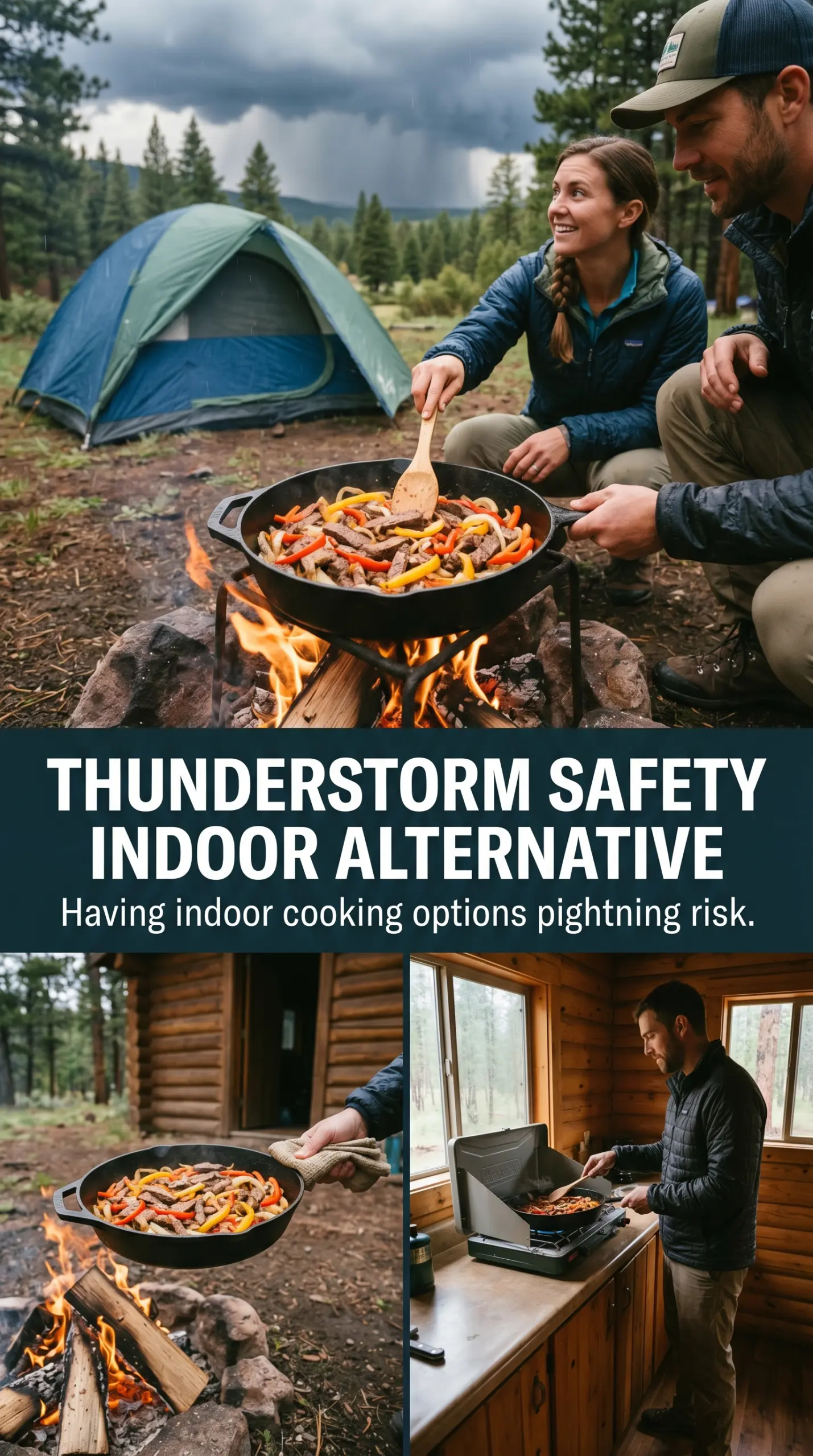
The meat is the anchor, but the peppers and onions are what make the skillet look and taste like fajitas instead of plain seasoned meat. Chicken breast gives you a lighter filling and takes seasoning well, while steak brings more richness and a deeper campfire flavor. If you use steak, choose a cut that cooks quickly and stays tender, then slice it thin so the fire doesn’t have time to toughen it.
Oil matters more than people think over an open flame. You need enough to keep the seasoning from burning on the skillet before the meat starts releasing its own juices. Flour tortillas are the right choice here because they stay flexible and hold the filling without tearing, especially once they’re warmed near the fire. The toppings are not just garnish; sour cream cools the heat, lime sharpens the smoky meat, and cilantro wakes up everything after the pan has done the heavy lifting.
- Chicken breast or steak — Chicken is the leanest option and cooks fast. Steak gives you a more traditional fajita bite, but it needs to be sliced thin and cooked only until it’s just done.
- Bell peppers — Use a mix of colors for sweetness and contrast. Green peppers taste a little sharper, which helps keep the filling from leaning too sweet.
- Onions — They soften and caramelize around the edges, which balances the spice in the seasoning. Yellow onions are the safest pick, but white onions work if that’s what you’ve got.
- Flour tortillas — Corn tortillas can work, but they’re less forgiving around a camp skillet. Flour tortillas bend, fold, and hold up better with juicy fillings.
- Lime wedges — Don’t skip them. A squeeze of lime right at the end brightens the whole skillet and keeps the filling from tasting heavy.
Building the Campfire Skillet So Nothing Steams
Get the Skillet Hot Before the Meat Goes In
Set the cast iron over steady heat and let the oil shimmer before the meat touches the pan. If the oil isn’t hot enough, the chicken or steak will sit there and release moisture instead of browning. You want an immediate sizzle the second it hits the skillet. If your fire is uneven, move the pan around until the heat feels active but not raging in one spot.
Brown the Meat Fast, Then Get It Out
Add the seasoned meat in a single layer and leave it alone long enough to pick up color. Stirring too soon breaks the sear and cools the pan. Cook until the pieces are browned and cooked through, then pull them out so they don’t overcook while the vegetables finish. If you’re using steak, stop as soon as it’s no longer pink in the center; campfire heat can push it over the edge fast.
Char the Peppers and Onions in the Leftover Flavor
Once the meat is out, add the peppers and onions to the same skillet. That’s where the good flavor is waiting, and the vegetables will pick it up as they soften. Stir occasionally, but not constantly, so the edges get those darker spots instead of turning limp. If the skillet looks dry, add a small splash of oil rather than water, because water cools the pan and works against the char you want.
Bring Everything Back Together Right at the End
Return the meat to the skillet once the vegetables are tender and a little charred. Toss just until everything is hot and coated in the seasoning again. This last step is short on purpose. If you let the meat sit with the vegetables too long, it loses the texture you just worked for.
How to Adjust These Fajitas for Different Camps and Different Eaters
Make It Steak-Forward
Swap in flank steak or skirt steak if you want a deeper, beefier fajita. Slice it thin across the grain and cook it just until browned; overcooking is the fastest way to turn it tough. The result is more savory and a little less lean than chicken.
Gluten-Free Fajita Night
Use certified gluten-free corn tortillas instead of flour tortillas. Warm them one by one over the fire or in a dry skillet so they stay flexible and don’t crack. The filling doesn’t change at all, and the smoky meat-and-pepper mix still carries the whole meal.
Vegetarian Campfire Fajitas
Skip the meat and double the peppers and onions, then add sliced mushrooms or zucchini if you want more body. The key is to cook the vegetables in batches so they can brown instead of dumping too much moisture into the pan at once. You’ll get a lighter fajita with the same smoky skillet character.
What to Do If You Need to Make Them Ahead
Slice the vegetables and meat at home, then keep them separate in sealed containers or zip-top bags in the cooler. At camp, the whole dish comes together fast because your prep is already done. Don’t pre-mix everything or the vegetables will start sweating before they ever hit the skillet.
Storage and Reheating
- Refrigerator: Store the fajita filling in an airtight container for up to 3 days. The peppers soften a bit as they sit, but the flavor holds well.
- Freezer: The cooked meat freezes better than the peppers and onions. If you plan to freeze, freeze the filling in a sealed bag and expect the vegetables to lose some texture when thawed.
- Reheating: Rewarm in a skillet over medium heat until hot. Don’t microwave it if you want the peppers to stay from turning mushy; the skillet brings back a little of the char and keeps the filling from getting wet.
Answers to the Questions Worth Asking
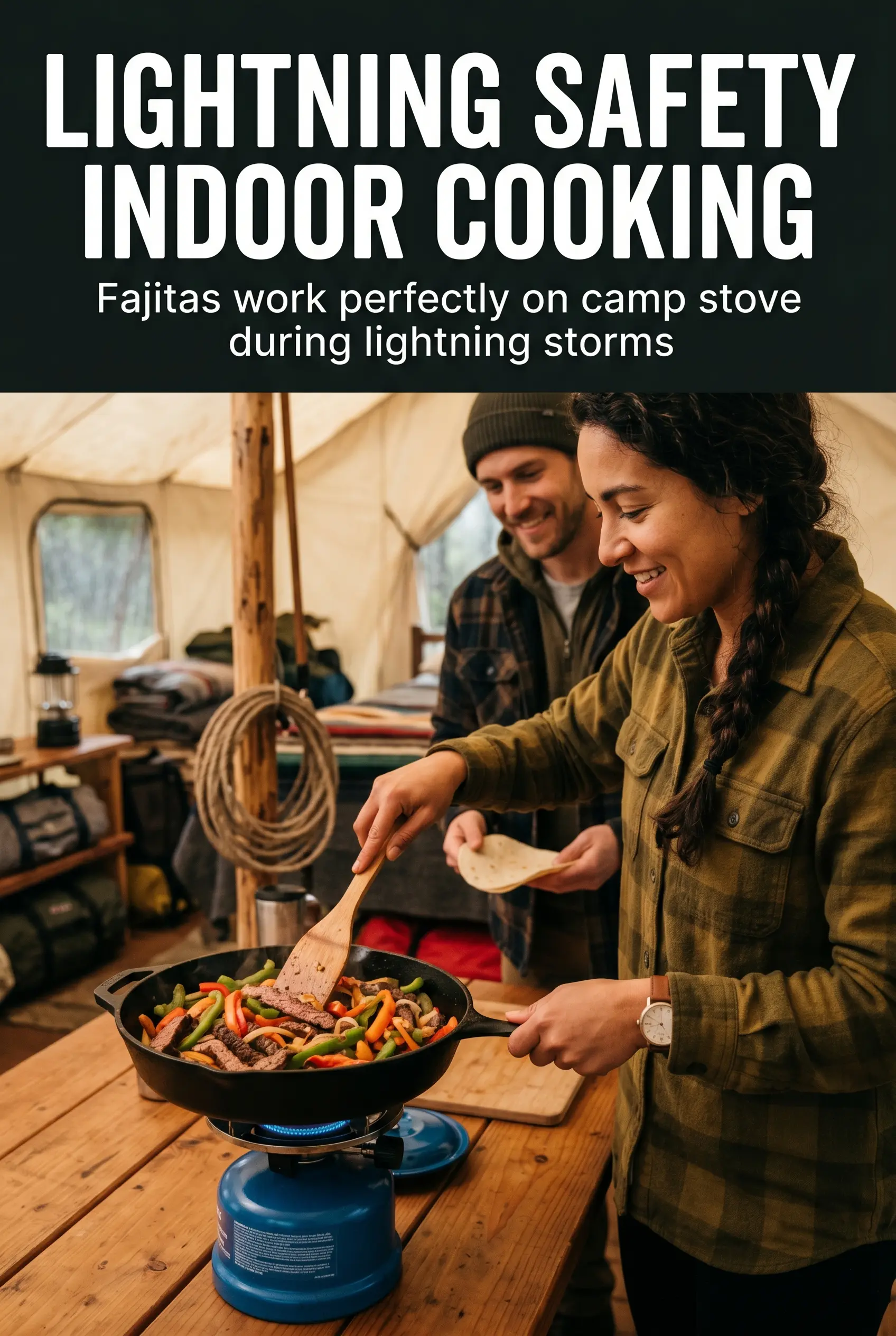
Campfire Fajitas
Ingredients
Equipment
Method
- Heat 3 tbsp oil in a large cast iron skillet over the campfire until shimmering and hot.
- Season the sliced chicken breast or steak with 3 tbsp fajita seasoning, then add to the hot skillet in an even layer.
- Cook for 8-10 minutes, stirring occasionally, until browned and cooked through, then remove and set aside.
- Add the sliced bell peppers and onions to the skillet and cook for 8-10 minutes until tender and slightly charred.
- Return the cooked meat to the skillet and toss to combine until everything is evenly mixed.
- Warm the flour tortillas over the fire until pliable and lightly heated.
- Serve the fajita mixture with warm tortillas and your desired toppings: sour cream, guacamole, salsa, cheese, cilantro, and lime wedges.