Hobo foil packets deliver that old-school campfire dinner payoff: tender potatoes, sweet carrots, soft onions, and meat that steams everything underneath into one complete meal. The best part is the cleanup, or lack of it. Each packet cooks into its own little bundle, so the vegetables catch the drippings and butter instead of drying out over the fire or grill.
This version works because the vegetables go in first and the meat sits on top, where the heat can reach it without overcooking the potatoes below. Heavy-duty foil matters here. Thin foil tears when the packets are flipped, and once that seal breaks, you lose steam and end up with unevenly cooked vegetables. The butter melts through the layers and helps the seasonings spread through the whole packet instead of sitting on the surface.
Below, I’ll walk through the little details that keep these packets sealed, evenly cooked, and easy to open without losing the good steam trapped inside.
The potatoes came out tender all the way through and the butter kept everything from tasting flat. We cooked them on the grill, and opening the packets at the table was half the fun.
Hobo foil packets are the kind of campfire dinner that stays juicy, steamy, and easy to clean up.
The Layering Trick That Keeps the Potatoes Tender
The potatoes need the most time, so they go directly against the foil where they get the most heat and the most contact with the steamy juices that build inside the packet. If you pile everything randomly, the meat can finish before the potatoes soften, and then you’re stuck opening an underdone packet or overcooking the protein while waiting on the vegetables. The order matters.
Sliced carrots and onions help bridge that gap because they cook down at about the same pace as the potatoes when everything is cut evenly. The green beans go on top with the meat, where they steam instead of turning mushy. If your potatoes are thick, they’ll lag behind the rest of the packet, so keep the slices thin and even.
What Each Ingredient Is Doing Inside the Packet
- Ground beef or stew meat — Ground beef gives you a softer, more classic foil-dinner texture and cooks evenly in the steam. Stew meat brings a meatier bite, but it needs the full cooking time and benefits from being cut into small, even portions so it doesn’t stay chewy.
- Potatoes — This is the ingredient that most needs attention. Thin, even slices cook through reliably; thick chunks can still be firm when the rest is done. Russets or Yukon Golds both work, but Yukon Golds stay a little creamier.
- Carrots and onion — These add sweetness and moisture as they soften. Slice the carrots thin enough to bend easily but not so thin they dissolve, and keep the onion slices fairly even so they melt into the packet instead of burning at the edges.
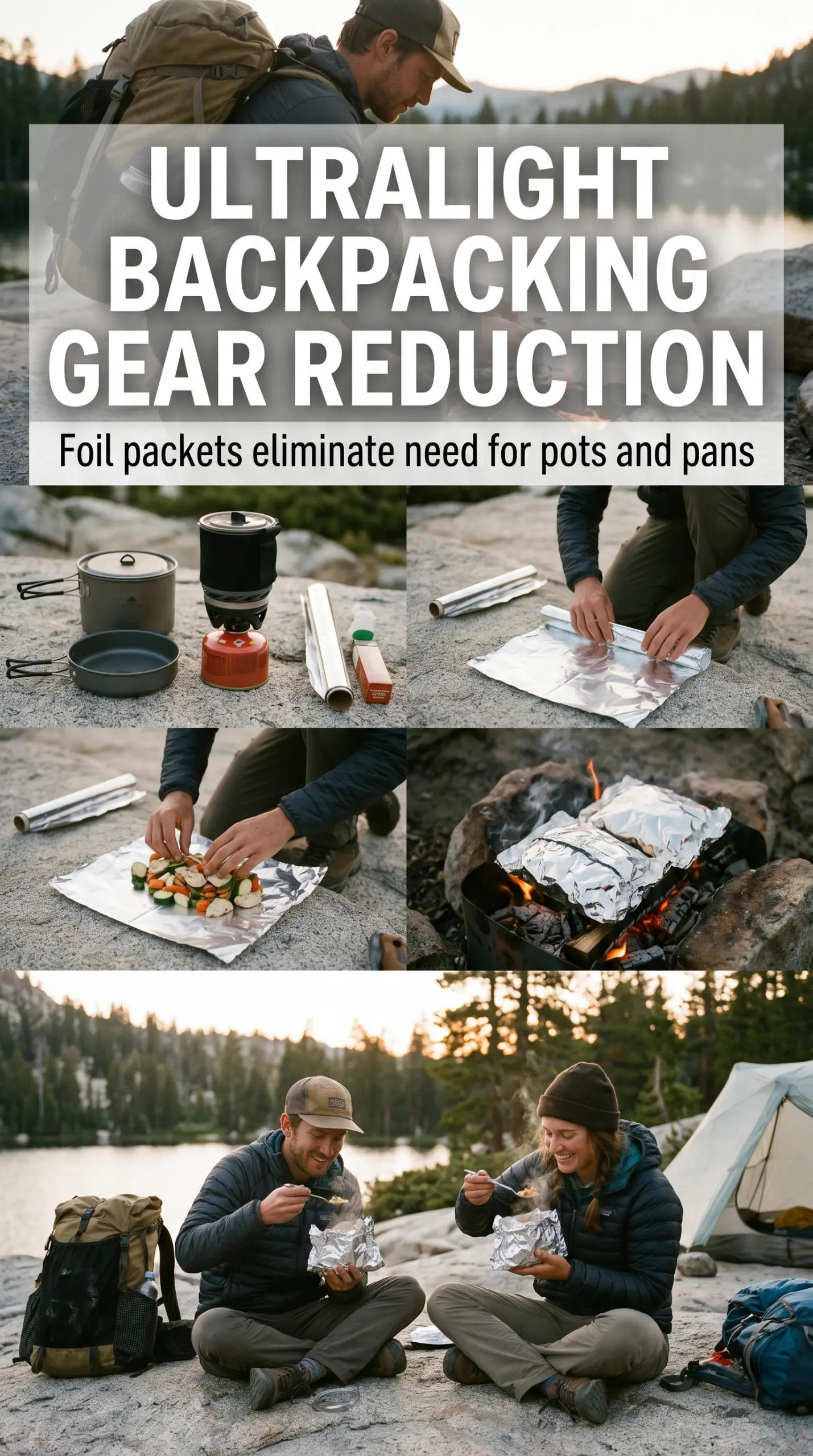
- Heavy-duty aluminum foil — Standard foil can tear when you flip the packets or move them over hot coals. Heavy-duty foil is worth using here because it holds the seal and keeps the steam trapped where it belongs.
- Butter — The butter carries the seasoning, adds richness, and keeps the vegetables from tasting dry. If you want to swap it, use a spoonful of olive oil, but the packet will taste a little less rounded and buttery.
Getting the Seal Right and Cooking Evenly Over the Fire
Building the Base
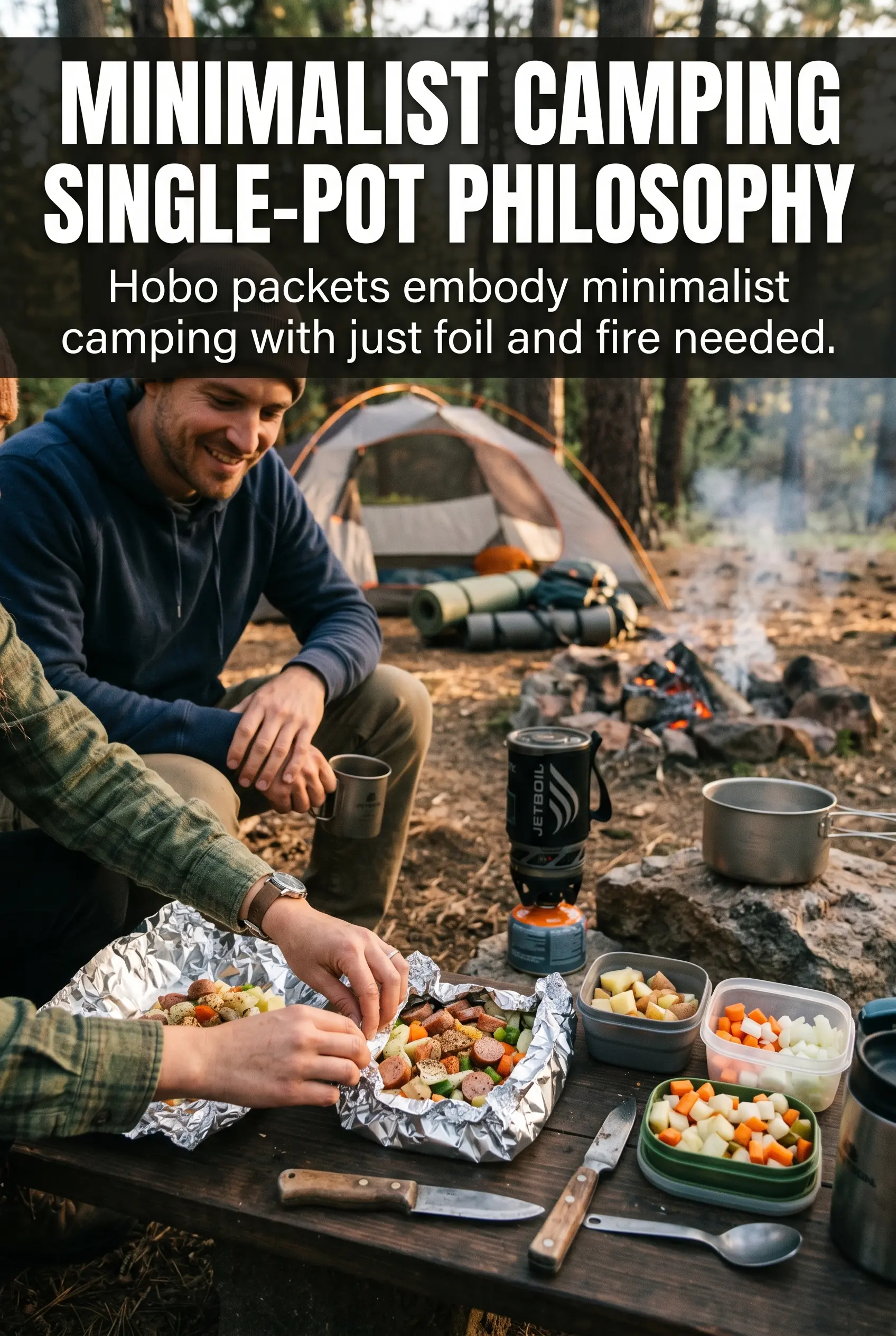
Lay each sheet of foil flat and build the packet with the potatoes on the bottom, then carrots, onions, green beans, and the meat on top. That stack lets the vegetables cook in the drippings and keeps the meat from sticking to the foil. Season every packet before sealing so the salt has a chance to reach all the layers. If the vegetables are crowded too tightly, they steam unevenly, so spread them into a loose mound instead of a packed pile.
Sealing Without Losing the Steam
Bring the long sides of the foil together first and fold them down tightly, then crimp the ends to make a closed pouch. Leave a little air space inside so the packets can puff as the heat builds. If you press the foil too tightly against the food, the butter and juices have nowhere to move and the vegetables can cook patchy. A good seal keeps the steam in without turning the packet into a balloon that might burst open over the fire.
Cooking Over Medium Heat
Set the packets over medium heat on a grill grate or across steady campfire coals, not directly in roaring flames. Flip them halfway through so the bottom doesn’t scorch before the center cooks through. You’re looking for potatoes that yield easily when pierced and meat that’s cooked through with no pink remaining. If the fire runs hot, move the packets to a cooler edge instead of shortening the cooking time, because high heat burns the outside before the vegetables soften.
Resting Before You Open Them
Let the packets sit for about 5 minutes before opening them. That short rest lets the steam settle a bit, which makes them easier to handle and keeps the juices from pouring out all at once. Open the foil slowly and away from your face. The burst of steam is part of the payoff, but it’s hot enough to burn you if you rush it.
How to Adjust These Packets for Different Fires, Tastes, and Diets
Make It with Ground Beef for a Softer, Juicier Packet
Ground beef gives you the most forgiving result because it cooks through quickly and its fat bastes the vegetables as the packets steam. Form it into patties so it holds together instead of breaking apart into dry crumbles. This is the best choice if you want a classic hobo packet texture with less chewing.
Use Stew Meat When You Want a Heartier Campfire Bite
Stew meat brings a beefier, chunkier texture, but it needs evenly cut pieces and the full cook time to turn tender. If the pieces are large, they’ll stay tough while the vegetables keep cooking, so trim them down before assembling the packets. This version feels a little more rustic and less like a burger-and-veg dinner.
Dairy-Free Packets
Swap the butter for olive oil or a dairy-free buttery spread if that’s what you keep on hand. You’ll lose a little of the classic richness, but the packets will still steam beautifully and the vegetables will stay moist. Add an extra pinch of salt because butter carries seasoning more naturally than oil does.
Add Corn or Bell Peppers for a Sweeter Finish
Corn and bell peppers work well if you want more color and a little sweetness. Add them in a moderate layer so they don’t crowd out the potatoes, and cut the peppers into strips that can soften in the same time frame. This variation tastes brighter and a little less old-fashioned, but it still keeps the same campfire feel.
Storage and Reheating
- Refrigerator: Store leftovers in an airtight container for up to 3 days. The potatoes soften a little more after chilling, but the flavor holds up well.
- Freezer: These freeze best after cooking if you’ve used ground beef. Wrap tightly and freeze for up to 2 months, though the potatoes will be softer once thawed.
- Reheating: Reheat in a skillet with a splash of water or broth over medium-low heat, covered, until hot. The mistake to avoid is blasting them in the microwave, which can make the potatoes rubbery and the meat dry before the center heats through.
Answers to the Questions Worth Asking
Hobo Foil Packets
Ingredients
Equipment
Method
- If using ground beef, divide it into 4 equal patties; if using stew meat, divide into 4 portions so each packet has one portion of meat.
- Cut four sheets of heavy-duty aluminum foil, then layer potatoes, carrots, onions, and drained green beans on the center of each sheet in even layers.
- Place one portion of meat on top of each vegetable pile.
- Season each packet with salt, pepper, and garlic powder, then top with 1 tablespoon butter placed over the meat.
- Fold foil tightly into sealed packets, crimping edges so no steam escapes.
- Place packets on a campfire grate over medium heat for 25-30 minutes, leaving them undisturbed so the foil steams and cooks through.
- Flip each packet halfway through cooking (around the 12-15 minute mark) to brown and steam evenly on both sides.
- Let packets cool for 5 minutes before carefully opening so steam doesn’t burn you and the juices settle.