Greek pasta salad works when the pasta stays tender but not soft, the cucumbers keep their crunch, and the lemon-oregano dressing soaks into every ridge without turning the bowl watery. The best versions taste bright, salty, and balanced from the first bite to the last, with feta scattered through the pasta instead of melting into a heavy coating.
The trick is rinsing the pasta after cooking so it stops at the right texture and cools fast enough to hold the vegetables. From there, the dressing does the heavy lifting: olive oil carries the flavor, lemon and red wine vinegar keep it sharp, and garlic plus oregano give it that familiar Greek salad character without overpowering the fresh vegetables.
Below, I’ll walk through the small details that keep this salad from going soggy, the ingredient swaps that still make sense, and what to do if you want to make it ahead for a potluck or lunch box.
The dressing soaked in overnight and the pasta still had a nice bite the next day. I loved that the cucumbers stayed crisp and the feta held its shape instead of disappearing.
Save this Greek pasta salad for a make-ahead side with crisp cucumbers, briny olives, and lemony feta in every bite.
The Pasta Water Mistake That Turns This Salad Flat
Greek pasta salad falls apart when the pasta is cooked past tender and then left warm, because soft noodles absorb dressing too quickly and go mushy by the time the bowl reaches the table. Rinsing under cold water isn’t just about cooling things down; it also stops the cooking and removes surface starch so the dressing clings instead of turning gluey.
The other place people lose this salad is in the chilling step. Two hours sounds long, but it gives the dressing time to settle into the pasta without making the cucumbers collapse. If you serve it right away, the lemon dressing tastes sharp on the outside and underseasoned in the middle.
- Cold-rinsed pasta — This keeps the texture firm and prevents the salad from steaming itself soft. Penne and rotini both work well because their shapes hold dressing in the ridges and curves.
- Fresh lemon juice — Bottled juice tastes dull here. Fresh lemon gives the dressing its clean edge and keeps the salad tasting bright even after chilling.
- Feta — Buy a block if you can and crumble it yourself. Pre-crumbled feta is drier and more brittle, while fresh crumbles give you softer pockets of salty richness.
- Red onion — Slice it thin so it blends into the salad instead of taking over. If yours is sharp, soak the slices in cold water for 10 minutes and drain well before adding them.
What Each Ingredient Is Doing in the Bowl
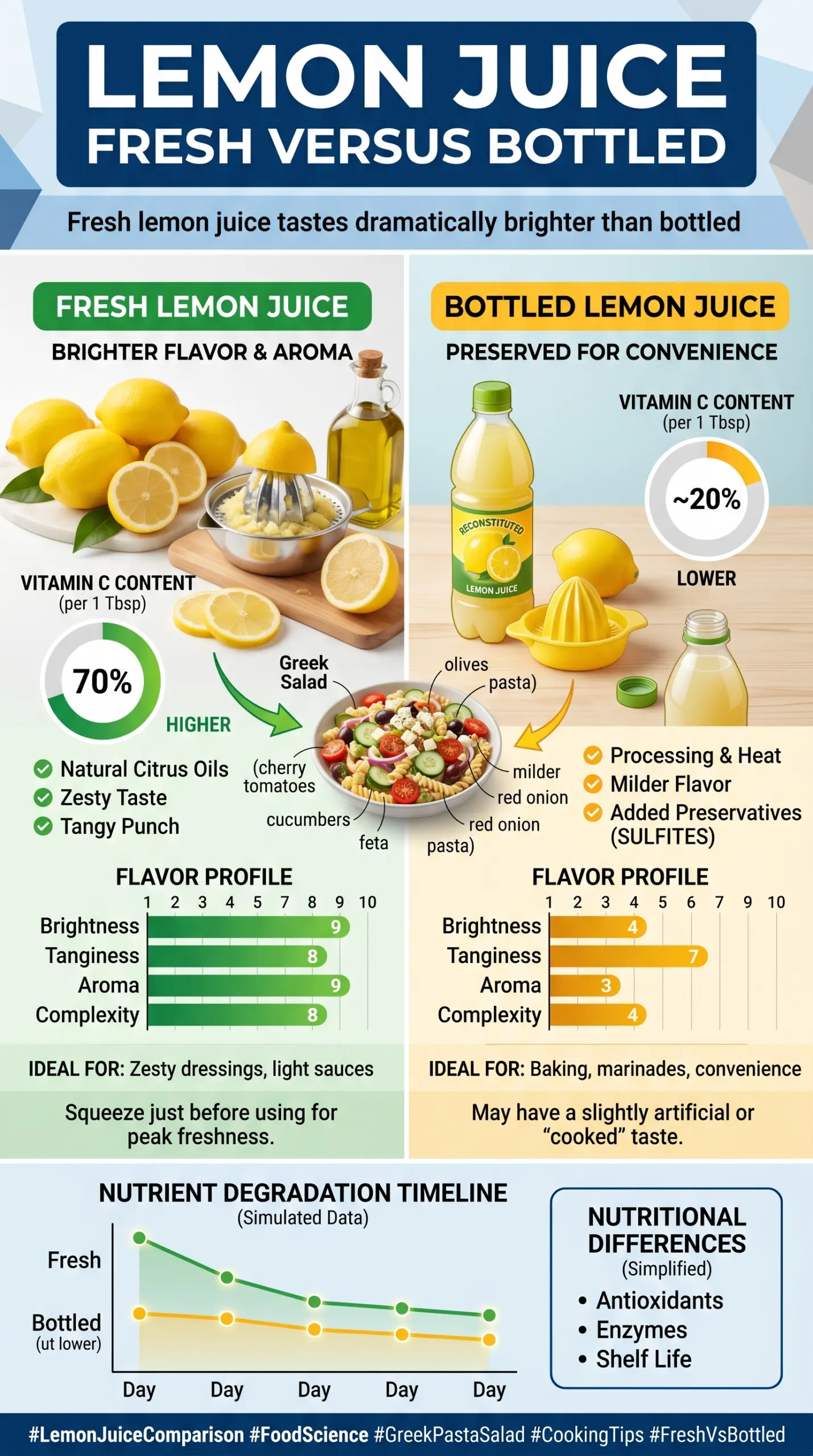
- Pasta — Penne and rotini both hold the dressing well, but any short pasta with some shape will work. Long pasta gets awkward here and doesn’t toss as cleanly with the vegetables.
- Cherry tomatoes — Use ripe ones with a little give. They add sweetness and juiciness, and halving them keeps the salad from turning watery.
- Cucumber — This is where the crunch comes from. English cucumber is a good swap if you want fewer seeds and less moisture; just keep the pieces fairly small so they mix evenly.
- Kalamata olives — They bring the briny, savory note that makes this taste unmistakably Greek. Black olives can work in a pinch, but they’re milder and less interesting.
- Olive oil — Use one you actually like the taste of. Since the dressing isn’t cooked, the oil matters here more than in a hot dish.
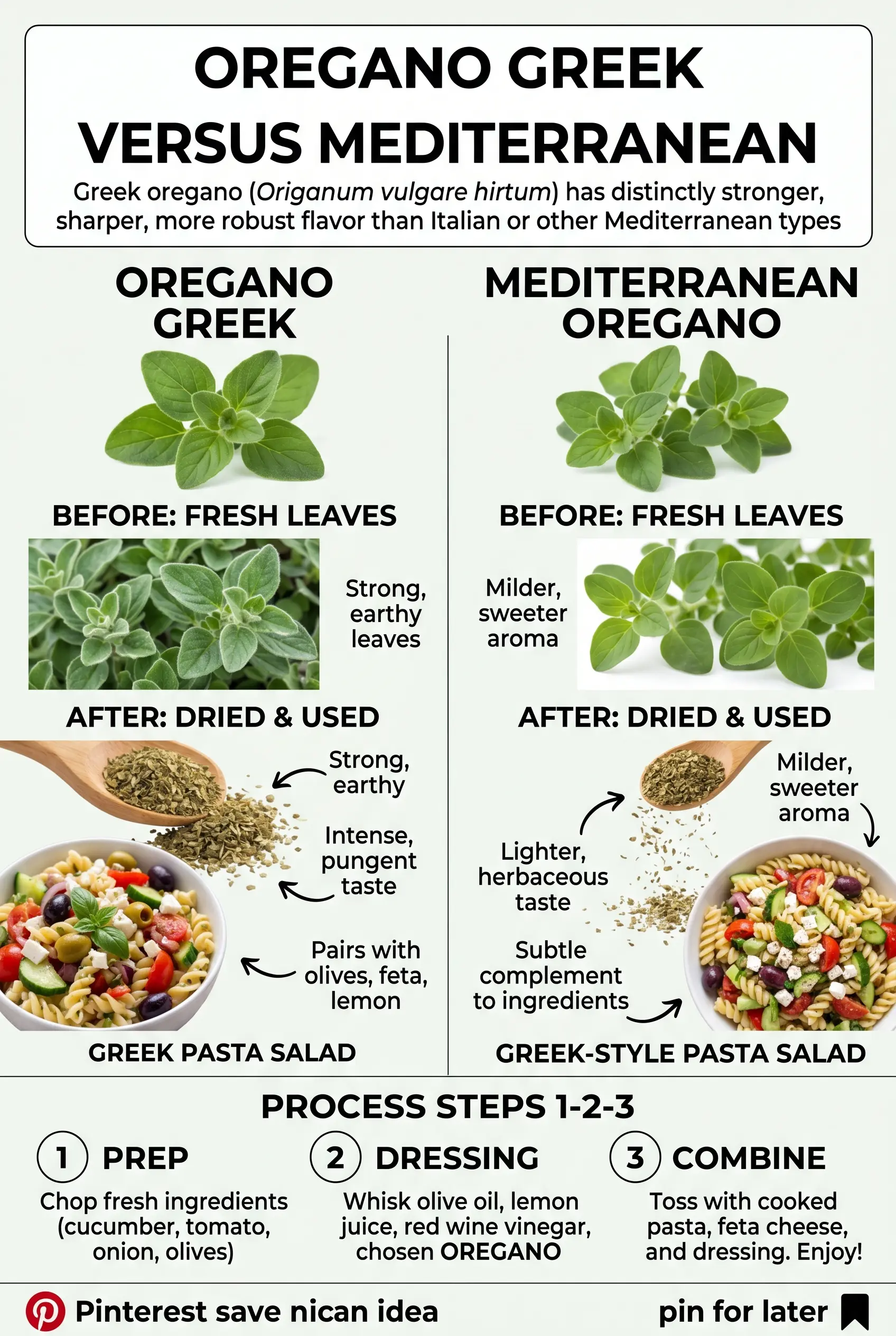
- Garlic and oregano — These are the backbone of the dressing. Fresh oregano tastes fuller, but dried works well if you crush it between your fingers before whisking it in.
How to Build the Salad So It Stays Bright, Not Watery
Cooking the Pasta to a Firm Bite
Cook the pasta just until tender, then drain it and rinse it under cold water until it’s no longer warm. Warm pasta keeps cooking from residual heat and softens faster once the dressing goes on. Shake off as much water as you can so the dressing doesn’t slide off and pool at the bottom of the bowl.
Whisking a Dressing That Clings
Combine the olive oil, lemon juice, red wine vinegar, garlic, oregano, salt, and pepper in a bowl and whisk until it looks unified, not separated. The vinegar sharpens the lemon and keeps the salad from tasting flat after chilling. If the garlic tastes harsh when you taste the dressing alone, let it sit a few minutes before tossing it with the pasta.
Layering the Salad for the Best Texture
Toss the pasta with the tomatoes, cucumber, olives, red onion, and most of the feta, then pour the dressing over the top. Toss gently so the tomatoes don’t crush and the feta doesn’t turn into paste. Save a little feta for the finish so the top looks fresh and the saltier bites stay visible.
Chilling Before Serving
Refrigerate the salad for at least 2 hours. That rest gives the pasta time to absorb the dressing and lets the flavors settle into one another. Right before serving, toss again and add the remaining feta so the salad tastes bright instead of overly absorbed.
How to Adjust This Without Losing the Greek Salad Character
Gluten-Free Version
Use a sturdy gluten-free short pasta and cook it just to tender, because many gluten-free pastas go soft fast after chilling. Rinse it well and toss gently, since the texture is more fragile than wheat pasta and can break if you overmix.
Dairy-Free Version
Skip the feta and add a few extra olives plus a pinch more salt to keep the salad savory. You lose the creamy salty pockets feta brings, so the dressing needs to be especially well seasoned to carry the bowl.
Add Chickpeas for a Fuller Side Dish
Fold in a drained can of chickpeas if you want more protein and a heartier texture. They soak up the lemon dressing nicely, which makes the salad work as lunch instead of just a side.
Storage and Reheating
- Refrigerator: Keeps well for 3 to 4 days. The pasta absorbs more dressing as it sits, so the salad gets a little softer but stays flavorful.
- Freezer: Don’t freeze this one. The cucumber, tomato, and feta lose their texture and turn watery after thawing.
- Reheating: Serve it cold straight from the fridge or let it sit at room temperature for 15 to 20 minutes. Warming it up makes the vegetables limp and dulls the fresh lemon flavor.
Questions I Get Asked About This Recipe
Greek Pasta Salad
Ingredients
Equipment
Method
- Cook the penne or rotini pasta according to package directions, until tender. Drain and rinse with cold water so it cools quickly (visual cue: steam stops and pasta feels cool).
- Place the pasta on a sheet pan in a single layer to prevent clumping. Let it sit until fully cool, about 5 minutes (visual cue: pasta turns from glossy-warm to matte-cool).
- Whisk together olive oil, lemon juice, red wine vinegar, garlic, oregano, salt, and pepper in a bowl until smooth and combined. Whisk for 30 seconds so the garlic and herbs disperse (visual cue: dressing looks uniformly cloudy).
- Add the cooled pasta, cherry tomatoes, cucumber, Kalamata olives, red onion, and about 3/4 of the feta to a large bowl. Toss gently to distribute the mix without breaking the pasta (visual cue: red, green, white, and black colors are evenly spread).
- Pour the lemon-oregano dressing over the salad and toss gently until coated. Continue tossing for 30–60 seconds so the pasta looks lightly glossy (visual cue: dressing clings to pasta).
- Refrigerate the salad for at least 2 hours. Cover and chill until cold throughout (visual cue: salad firms up slightly and flavors meld).
- Before serving, top with the remaining feta and toss once more very gently. Finish with one final taste for salt and pepper (visual cue: feta is bright and visible on top).