Camping hot dogs hit that sweet spot between simple and satisfying: a little smoky, a little charred, and just messy enough to taste like you cooked outdoors on purpose. The outside picks up those blistered spots from the fire while the inside stays juicy, and when you tuck that into a toasted bun with mustard or chili, it turns into the kind of meal everyone reaches for before you even sit down.
What makes this version work is the rotation. Hot dogs cook fast, and if you leave one side parked over the flame, the casing bursts before the center heats through. Keep them moving over the fire or glowing coals and you get even browning without that rubbery, split-skin result. Toasting the buns for just a few seconds also matters more than people think; it gives you a little structure so the bread doesn’t go soggy the second you add toppings.
Below you’ll find the exact campfire timing I use, plus the toppings and substitutions that work best when you’re cooking outside with limited gear.
I used the coals instead of the open flames and the hot dogs cooked evenly with just the right char. Toasting the buns for a few seconds kept them from getting soggy, and the kids ate theirs before I even finished mine.
Save these campfire-roasted hot dogs for the nights when you want smoky edges, toasted buns, and dinner on the table in minutes.
Why Rotating Over the Heat Keeps These Hot Dogs Juicy
The biggest mistake with campfire hot dogs is parking them too close to the flames and waiting. The outside splits before the inside is hot, and once the casing opens, the juices run out and the texture goes from snappy to dry. Rotation gives you control. You’re aiming for even browning and light blistering, not a hard char on one side and pale rubber on the other.
Coals are easier to manage than active flames if you have them. The heat is steadier, which means the hot dogs heat through before the casing gets aggressive. If your fire is still lively, hold the sticks a little higher and keep turning every few seconds. The hot dog should look glossy, with a few dark spots and a slight give when you press it against the stick.
- Open flame — Gives you fast color, but it needs constant turning or the skin will burst.
- Hot coals — The best choice for even heating and a cleaner char.
- Toasted buns — They add structure and help the toppings stay put instead of sliding off.
What Each Topping Is Doing in a Campfire Hot Dog
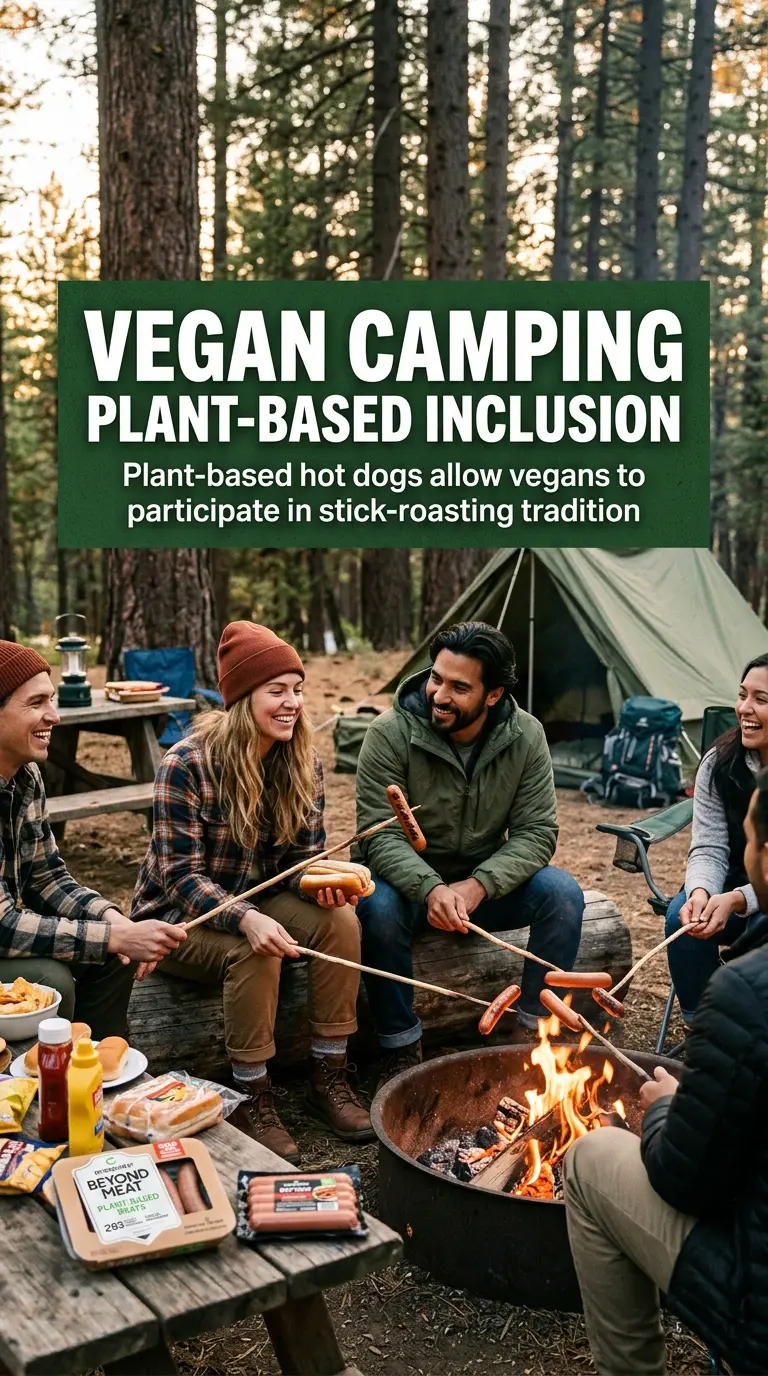
- Hot dogs — Use whatever brand you like here, but a good all-beef dog holds its shape best over the fire and gives you a firmer bite. Cheap hot dogs work fine too; just watch them closely because softer ones can split sooner.
- Buns — Soft buns are the move, but they need a quick toast so they don’t collapse under the heat and toppings. If you’re out of buns, split hoagie rolls or brioche-style rolls work well.
- Ketchup, mustard, and relish — These are the classic campfire finish. Keep them in squeeze bottles if possible because it’s easier to dress hot dogs at a campsite without extra mess.
- Chili, cheese, onions, sauerkraut, jalapeños — These turn a basic hot dog into a fuller meal. Chili and cheese add heft, sauerkraut brings tang, and jalapeños give you heat that cuts through the smoke.
The Campfire Timing That Gives You Char Without Bursting the Casing
Skewer and Position the Hot Dogs
Run each hot dog lengthwise onto a roasting stick or long fork so it stays steady when you turn it. Keep the tip centered through the middle, not off to one side, or the dog will spin awkwardly over the fire. If you’re cooking over a full flame, start a little farther away than you think you need to; the heat reaches faster than people expect at a campsite.
Rotate for Even Browning
Hold the hot dogs over the fire or coals and turn them every few seconds. You’re looking for a gradual blistering on all sides, not a single dark stripe. If the skin starts to puff hard or crack, pull it back from the heat for a moment. That pause keeps the juices in and gives the casing a chance to relax before it splits.
Toast the Buns at the End
Set the buns near the heat for just a few seconds, until the cut sides warm and pick up a light toast. They should feel a little crisp at the edge but still soft enough to fold around the hot dog. If you leave them too long, they dry out fast and start crumbling when you add condiments.
Build and Serve Right Away
Slide the hot dogs into the buns while they’re still steaming hot, then add your condiments and toppings immediately. Campfire hot dogs don’t wait well; the bun softens and the dog loses that just-off-the-fire edge once they sit. Have everything laid out before you start cooking so you can serve as soon as the dogs come off the stick.
How to Change These Up for Different Campsites and Eaters
Gluten-Free Campfire Dogs
Use gluten-free buns or skip the bun entirely and serve the hot dogs with toppings in a bowl. The dog itself is usually fine, but the bun is where most gluten sneaks in, so check labels on both the buns and any chili you’re using.
Low-Carb or Bun-Free Version
Serve the roasted hot dogs with mustard, relish, onions, and sauerkraut without the bun. You keep the smoky campfire flavor and lose the extra starch, which makes this the easiest option when you’re feeding a mixed group.
Chili Cheese Campfire Dogs
Spoon warm chili over the hot dogs and top with shredded cheese while the dog is still piping hot. The heat from the sausage softens the cheese just enough, but the chili should be thick or it will soak straight through the bun.
Storage and Reheating
- Refrigerator: Store leftover cooked hot dogs in an airtight container for up to 4 days. Keep buns separate so they don’t turn dense and soggy.
- Freezer: You can freeze the cooked hot dogs for up to 2 months, though the texture softens a bit after thawing. Wrap them tightly first, then freeze without toppings.
- Reheating: Warm the hot dogs in a skillet over medium-low heat, on a grill, or in the microwave in short bursts. Don’t blast them on high heat or they’ll split and dry out before the center heats through.
Questions I Get Asked About This Recipe
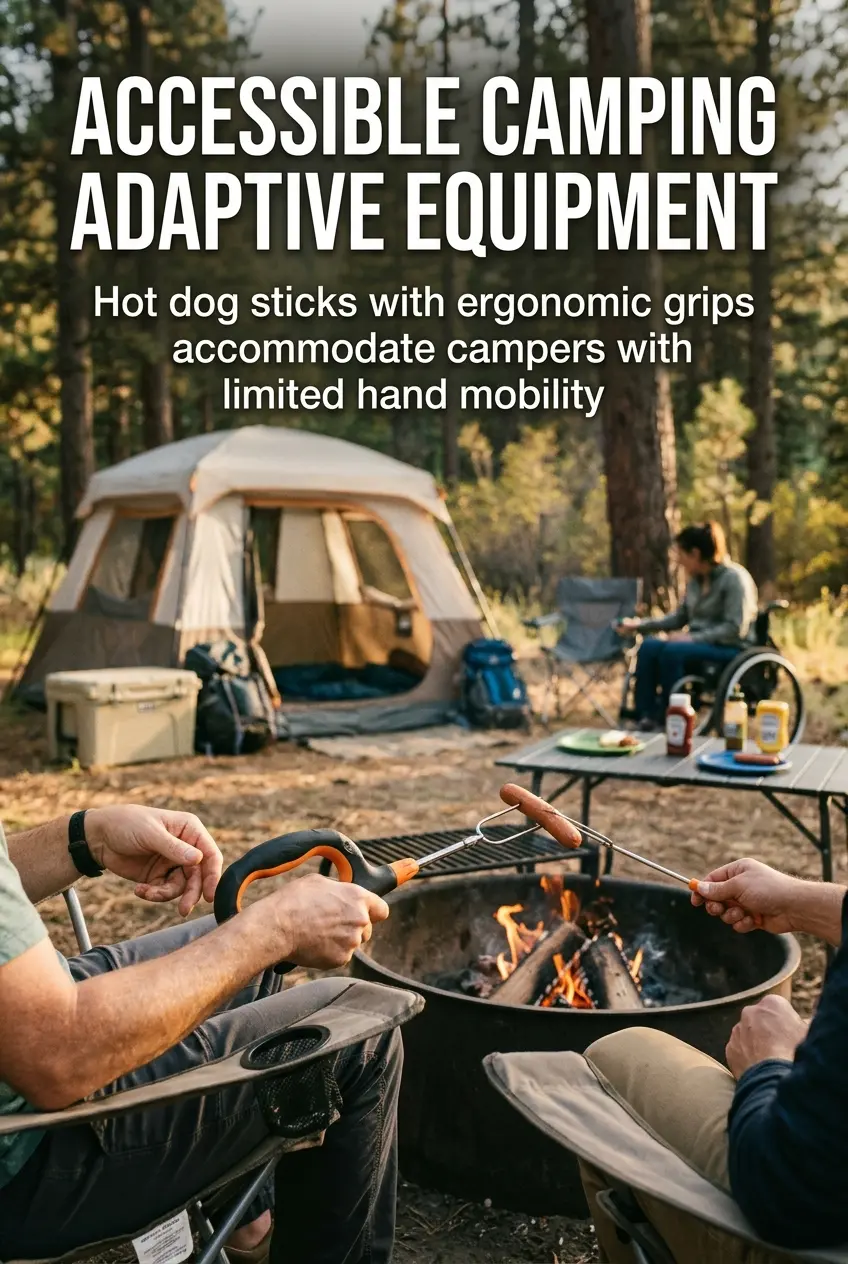
Camping Hot Dogs
Ingredients
Method
- Skewer each hot dog lengthwise on a roasting stick or long fork. Keep the hot dog centered so it heats evenly and stays secure over the fire.
- Hold the hot dogs over campfire flames or coals, rotating frequently, for 8-10 minutes until heated through and slightly charred. Look for brown charred spots and a hot, steaming center.
- Toast the buns briefly over the fire if desired. Stop when they feel warm and lightly toasted, without burning.
- Place the hot dogs in buns and add desired condiments and toppings. Serve immediately while hot.