Grilled campfire nacho packets turn a simple pile of chips into something hot, melty, and hands-off enough for a cookout or campsite dinner. The best part is the contrast: crisp chips at the edges, soft cheese in the middle, and just enough smoky heat from the grill or fire to make the whole packet taste like you worked harder than you did.
What makes these packets work is the way the ingredients heat together under a tight foil seal. The chips pick up steam for a minute, which softens them just enough without turning them mushy, while the cheese melts around the beans and meat and holds everything together. Heavy-duty foil matters here because thin foil tears when you’re folding and opening the packets, especially once the cheese starts to bubble.
Below, I’ve included the small details that keep the chips from going soggy and the packets from leaking. If you’ve ever ended up with scorched edges and cold centers, the timing notes here will help.
The cheese melted all the way through and the chips on the bottom stayed crisp enough to scoop. I added the salsa after opening the packets and they tasted like loaded nachos from a campground grill.
Grilled campfire nacho packets are at their best when the cheese melts into the beans and meat before the chips soften too much.
The Trick to Keeping the Chips Crisp Under All That Cheese
The biggest mistake with foil nachos is packing them like a casserole. When the chips are buried too deep or the packet is sealed too tightly, the steam has nowhere to go and everything turns soft before the cheese finishes melting. A little headspace inside the packet matters. It lets heat circulate while still trapping enough warmth to melt the cheese evenly.
Medium heat is the sweet spot. High heat burns the bottom layer of chips before the top layer is ready, and low heat leaves you with warm toppings and half-melted cheese. If your fire runs hot in spots, move the packets to the cooler edge of the grate and rotate them once halfway through.
- Chip layer: Keep it loose and even. A tight stack steams itself into mush.
- Cheese: Shredded Mexican blend melts cleanly and gives you that stretchy top layer. Pre-shredded is fine here.
- Beans and meat: These should be fully cooked before they go in. The packets are for melting and heating, not finishing raw ingredients.
- Foil: Heavy-duty foil is the difference between a clean flip and a torn packet leaking onto the grate.
What Each Ingredient Is Doing in These Packets
- Tortilla chips — These are the base and the texture contrast. Sturdy chips hold up better than thin restaurant-style chips, which break down too quickly under the heat.
- Shredded Mexican cheese blend — This gives you a smooth melt without needing extra ingredients. You can use cheddar, Monterey Jack, or a blend, but avoid big blocks of cheese unless you shred them first, because they won’t melt evenly in the short cook time.
- Black beans — They add body and keep the packets from feeling like just melted chips. Canned beans are perfect as long as they’re drained well; extra liquid is what makes the bottom soggy.
- Cooked ground beef or chicken — This brings the hearty part of the dish, and it needs to be cooked before it goes into the foil. Leftover taco meat works especially well because it’s already seasoned and reheats fast.
- Jalapeño slices — These add heat without overwhelming the rest of the packet. Slice them thin if you want the pepper flavor to spread through the cheese, or leave them thicker for sharper bites.
- Salsa, sour cream, and guacamole — These go on after the packets open. If you add them before cooking, the sour cream breaks and the guacamole loses its fresh texture.
Building the Packets So the Bottom Layer Stays Worth Eating
Assembling the Base
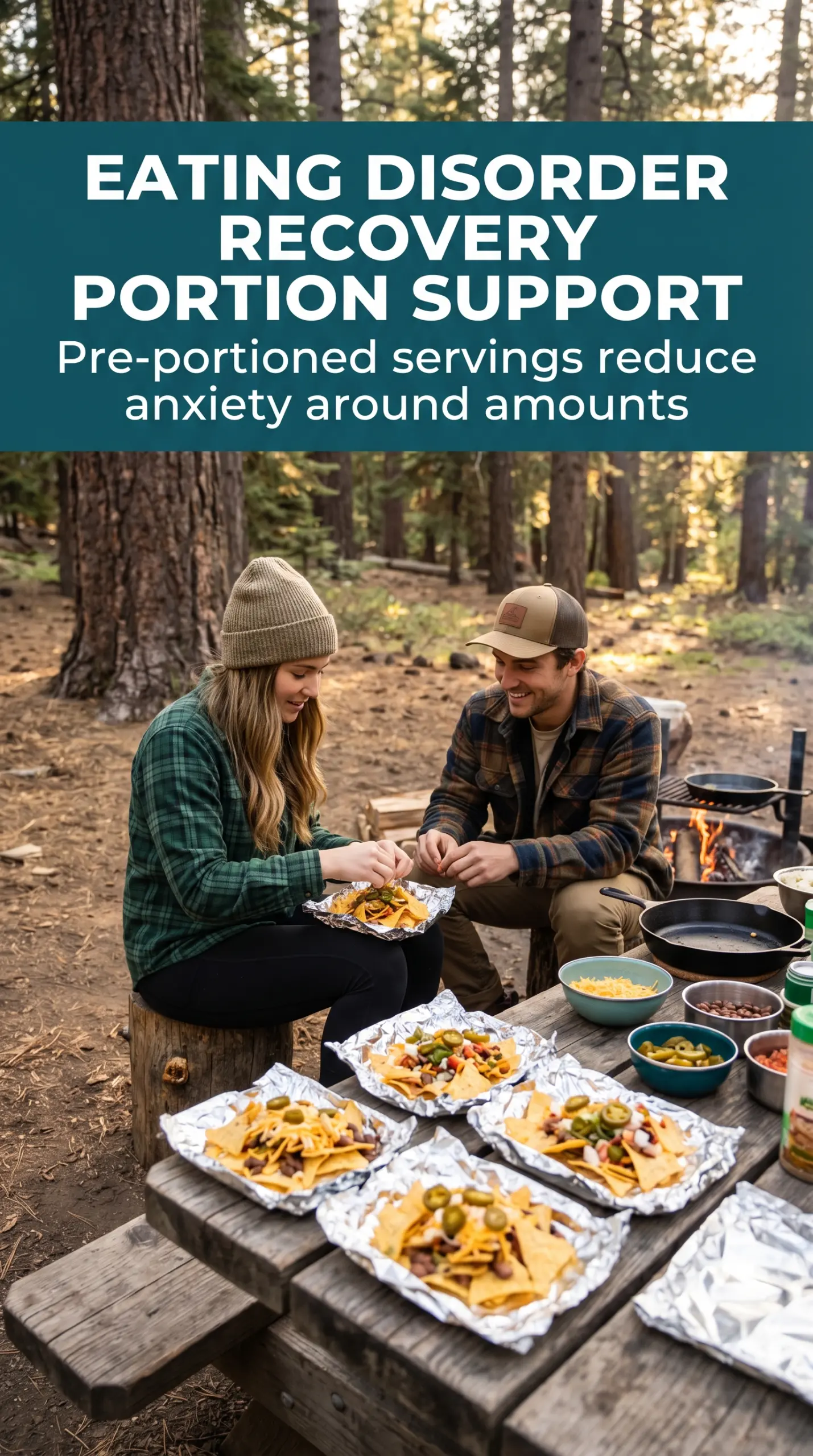
Divide the chips evenly across the foil sheets and keep them in a loose mound instead of pressing them flat. That little bit of air space is what keeps the steam from soaking every chip at once. Spoon the beans and meat over the center, then finish with cheese and jalapeño slices so the cheese can melt down through the fillings. If the pile looks too tall to fold without smashing, you’ve used too much filling for the foil size.
Sealing Without Crushing
Bring the long sides of the foil together over the top, then fold them down in small, tight turns. Fold the short ends up next so the packet holds its shape and the cheese can melt in place. Leave a little room inside the packet; a completely tight seal can balloon and split when the cheese starts to steam. You want the foil snug, not stretched.
Cooking Over the Heat
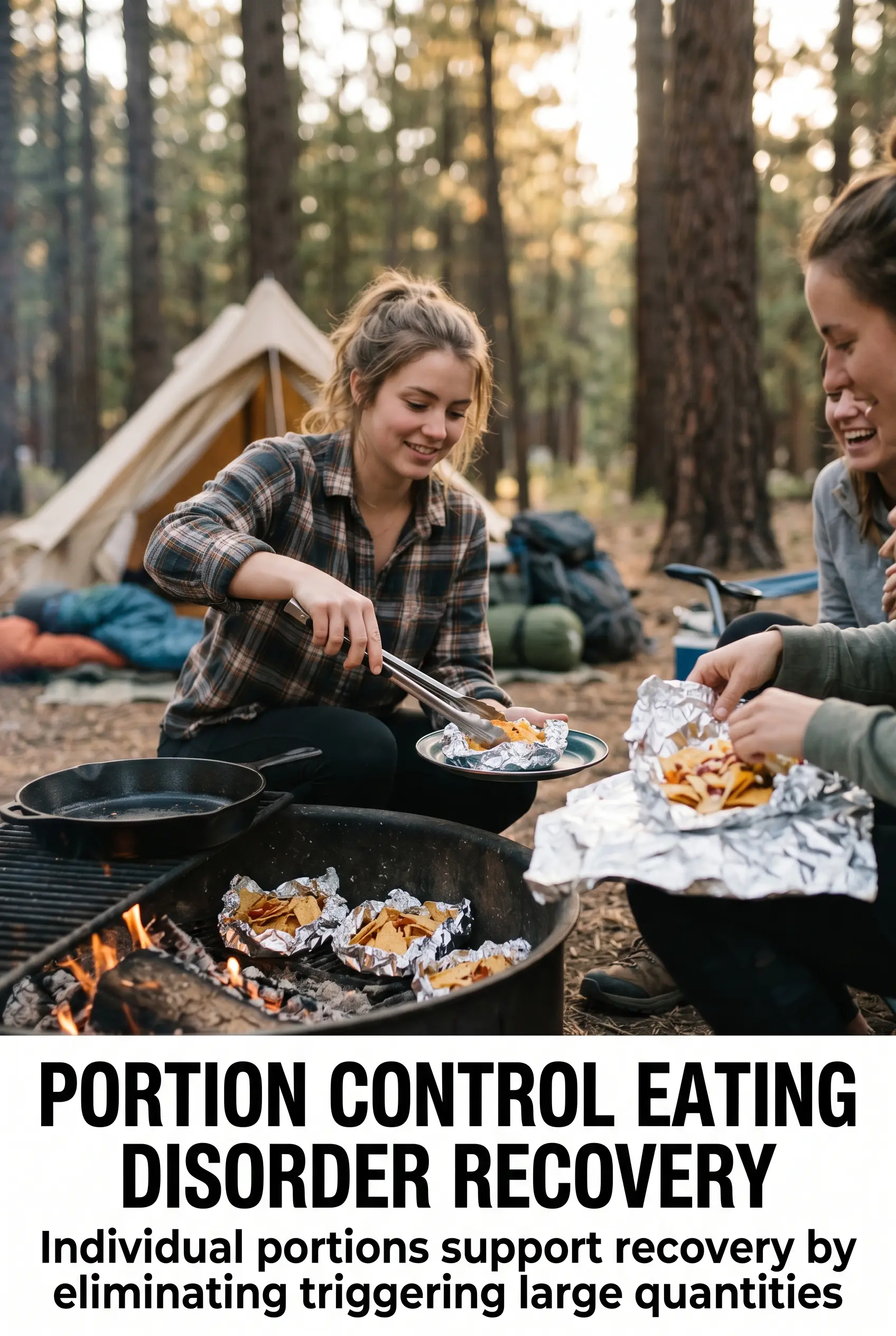
Set the packets over medium heat on the campfire grate and cook for 12 to 15 minutes. The cheese should be fully melted and the packet should feel hot all the way through when lifted with tongs. If the bottom is browning too fast, move the packets higher off the flame or slide them to a cooler part of the grate. Open them carefully because the steam comes out fast and can burn your hands.
Finishing at the Table
Once the packets are open, spoon on salsa, sour cream, and guacamole right away. That keeps the cold toppings fresh and gives you the contrast the cooked packet can’t provide on its own. If you wait too long, the steam softens the chips more than you want. These are best eaten straight from the foil while the cheese is still stretchy.
How to Make These Work for Different Camps, Diets, and Crowd Sizes
Vegetarian campfire nacho packets
Skip the meat and double the black beans, or add canned corn for a little sweetness. You’ll lose some of the smoky, hearty flavor from the meat, so a spoonful of salsa verde or a pinch of taco seasoning helps pull the packet back into balance.
Dairy-free nacho packets
Use your favorite meltable dairy-free shreds, but add them a little more generously than you would regular cheese because they don’t always spread as evenly. The result is less stretchy and a little less rich, but the packets still come out hot and satisfying.
Gluten-free and naturally camping-friendly
These are naturally gluten-free as long as your chips and seasonings are certified gluten-free. That matters most with seasoned meat, since some taco blends use flour-based thickeners.
Storage and Reheating
- Refrigerator: Store leftovers for up to 2 days, but expect the chips to soften.
- Freezer: These don’t freeze well once assembled because the chips lose their texture after thawing.
- Reheating: Reheat the packet loosely opened in a 350°F oven until the cheese softens again. The common mistake is blasting them in the microwave, which turns the chips leathery instead of crisp-tender.
The Questions That Come Up Once the Foil Hits the Fire
Grilled Campfire Nacho Packets
Ingredients
Equipment
Method
- Divide tortilla chips among 4 heavy-duty aluminum foil sheets, spreading them so each packet has an even base.
- Top each packet with shredded Mexican cheese blend to create a thick, melty layer.
- Add black beans to each packet, distributing them evenly over the cheese.
- Layer cooked ground beef or chicken over the beans so it’s spread across each packet’s surface.
- Place jalapeño slices on top of each packet for a punch of heat.
- Fold foil into sealed packets, leaving a little space for heat circulation so the chips crisp slightly while the cheese melts.
- Place packets on a campfire grate over medium heat for 12-15 minutes, until the cheese looks fully melted and bubbling.
- Remove from heat and let the packets rest briefly, then carefully open them to show the melted cheese nachos.
- Top the nachos in each opened packet with salsa, sour cream, and guacamole before serving.