Zucchini lasagna turns out best when the layers stay distinct, the sauce clings instead of sliding, and the center slices cleanly instead of puddling on the plate. This version gets there by treating the zucchini like the moisture source it is, not just a noodle substitute. Salt it, dry it, then give it a short roast before assembly. That extra step is what keeps the finished casserole from turning soft and soupy.
The meat sauce stays straightforward and sturdy, which matters here because a loose sauce will work against the zucchini. The ricotta layer is held together with egg and parmesan so it sets up between the vegetable planks instead of melting into the sauce. A short rest after baking matters just as much as the oven time; cut it too soon and the layers will slide apart.
Below, I’ve included the step that makes the biggest difference, a few useful swaps, and the questions people usually run into when they make zucchini lasagna for the first time.
The zucchini stayed firm and the slices held together after resting. I used sausage in the sauce and the whole pan tasted rich without getting watery at all.
Pin this zucchini lasagna for the nights when you want clean layers, a rich meat sauce, and a low-carb bake that slices neatly.
The Step That Keeps Zucchini Lasagna From Going Soft
The biggest mistake with zucchini lasagna is treating the zucchini like pasta and expecting it to behave the same way. It won’t. Zucchini holds a lot of water, and if you skip the sweating and quick roasting, that water ends up in the pan during baking. The result is a lasagna that tastes fine but collapses on the plate.
Salting the planks first pulls moisture out before they ever touch the sauce. Roasting them for a few minutes does the rest by drying the surface and giving the slices enough structure to stay in place. That extra bit of prep is what separates a tidy, layered bake from a watery casserole.
- Salted zucchini planks — The salt draws out surface water so the dish bakes up set instead of soupy. Pat them dry thoroughly; if they still feel damp, they’ll keep releasing liquid in the oven.
- Short roast or grill on the zucchini — This step is worth doing every time. It tightens the texture and keeps the layers from slipping when you cut into the pan.
- Thick meat sauce — A loose sauce makes the whole dish slide. Simmer it long enough that it coats a spoon, not something that pours like soup.
What Each Layer Is Actually Doing Here
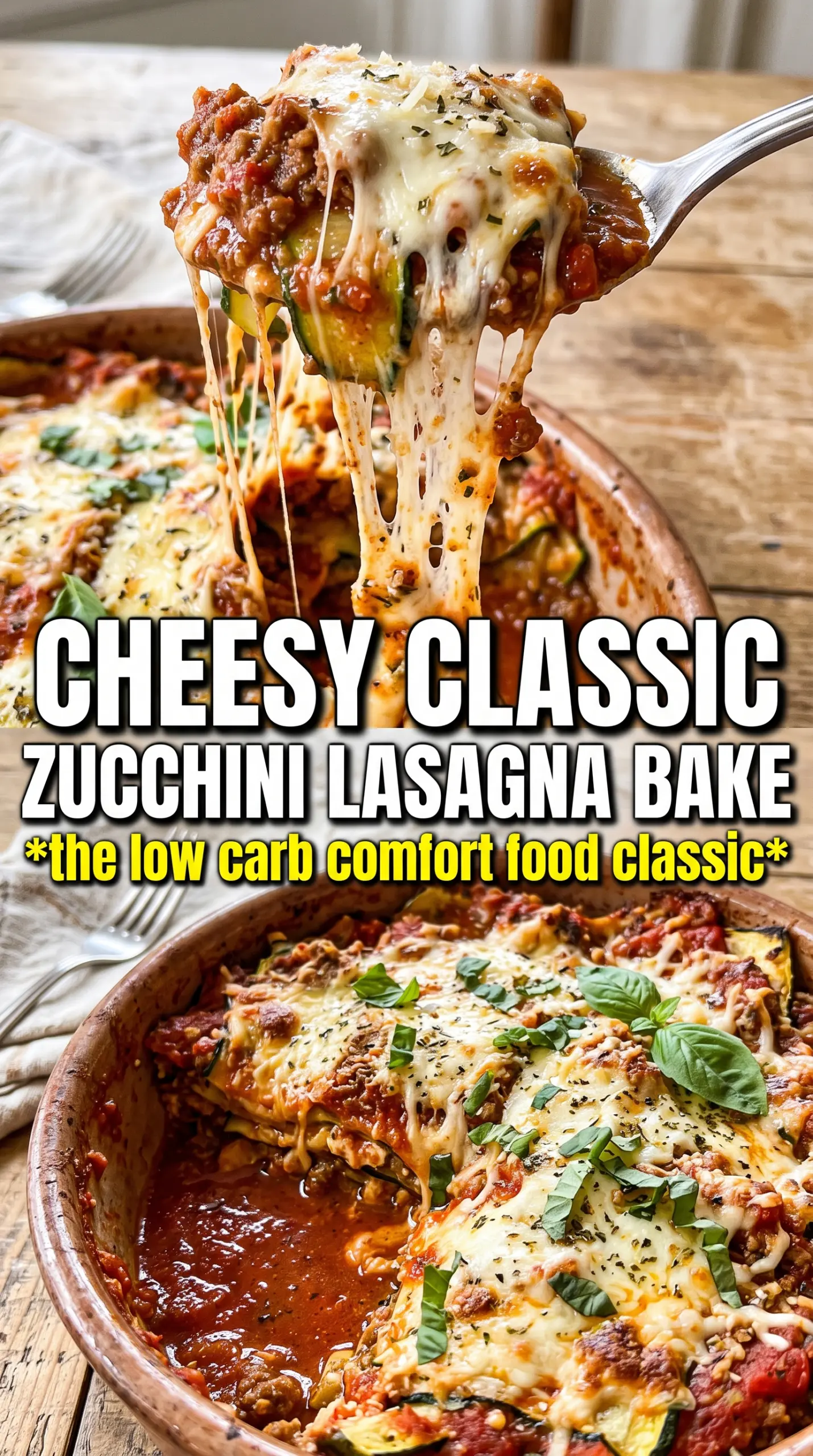
- Zucchini — These planks replace noodles, but they also add moisture and a gentle sweetness. Look for medium-large zucchini with straight sides so you can get broader, sturdier slices.
- Ground beef or Italian sausage — Beef gives you a classic, balanced base; sausage adds more seasoning and a little richness. If you use sausage, reduce any extra salt in the sauce because it carries more seasoning on its own.
- Ricotta — This is the creamy layer that makes the lasagna feel like lasagna. The egg matters because it helps the ricotta set, so don’t skip it unless you’re happy with a softer, looser filling.
- Mozzarella and parmesan — Mozzarella gives the stretch and parmesan sharpens the whole dish. Pre-shredded mozzarella works in a pinch, but freshly shredded melts more smoothly and browns better on top.
- Marinara — Use one that tastes good straight from the jar, because it’s doing a lot of work here. A thin or overly sweet sauce will make the whole pan taste flat, so pick a robust one.
Building the Pan So the Layers Hold Together
Drying the Zucchini First
Salt the zucchini planks and let them sit long enough to pull moisture to the surface, then press them dry with paper towels until they feel almost leathery. If you still see beads of water on the slices, they’ll steam in the oven and loosen the whole dish. This is the part that protects the texture.
Cooking the Meat Sauce Down
Brown the beef or sausage with the onion until you’ve got some caramelized bits in the pan, then add the garlic just long enough to smell it. Stir in the marinara and Italian seasoning and simmer until the sauce thickens slightly. If it looks thin in the skillet, it’ll look thinner in the casserole.
Layering for a Clean Slice
Start with a thin layer of sauce, then zucchini, ricotta, more sauce, and mozzarella. Keep repeating in even layers and finish with sauce and cheese on top so the top browns without drying out the filling. Let the baked lasagna rest before cutting; if you cut too soon, the ricotta will run and the stack will slump.
Three Ways to Adapt This Without Losing the Structure
Make It Gluten-Free Without Changing Anything
This recipe is naturally gluten-free as long as your marinara sauce is gluten-free. That’s the only place gluten usually sneaks in, so check the jar if you’re cooking for someone who needs to avoid it.
Use Cottage Cheese for a Lighter Filling
Blend cottage cheese until smooth and swap it in for the ricotta if that’s what you have. The filling will taste a little tangier and lighter, and the texture will be less dense, but the egg and parmesan still help it set well.
Make It Meatless With a Thicker Sauce
Replace the meat with a well-cooked mushroom and onion mixture or a lentil marinara. The key is keeping the filling thick and savory, because a watery vegetarian sauce will still make the zucchini give up too much liquid.
Storage and Reheating
- Refrigerator: Store leftovers covered for up to 4 days. The lasagna firms up as it chills, which actually helps the slices hold together even better the next day.
- Freezer: It freezes well in individual portions or as a whole pan. Wrap tightly and freeze for up to 2 months, then thaw in the fridge before reheating so the center doesn’t stay icy while the top dries out.
- Reheating: Cover and warm in a 350°F oven until hot in the center. The biggest mistake is blasting it uncovered in the microwave or oven, which turns the cheese rubbery and pushes more moisture out of the zucchini.
Answers to the Questions Worth Asking
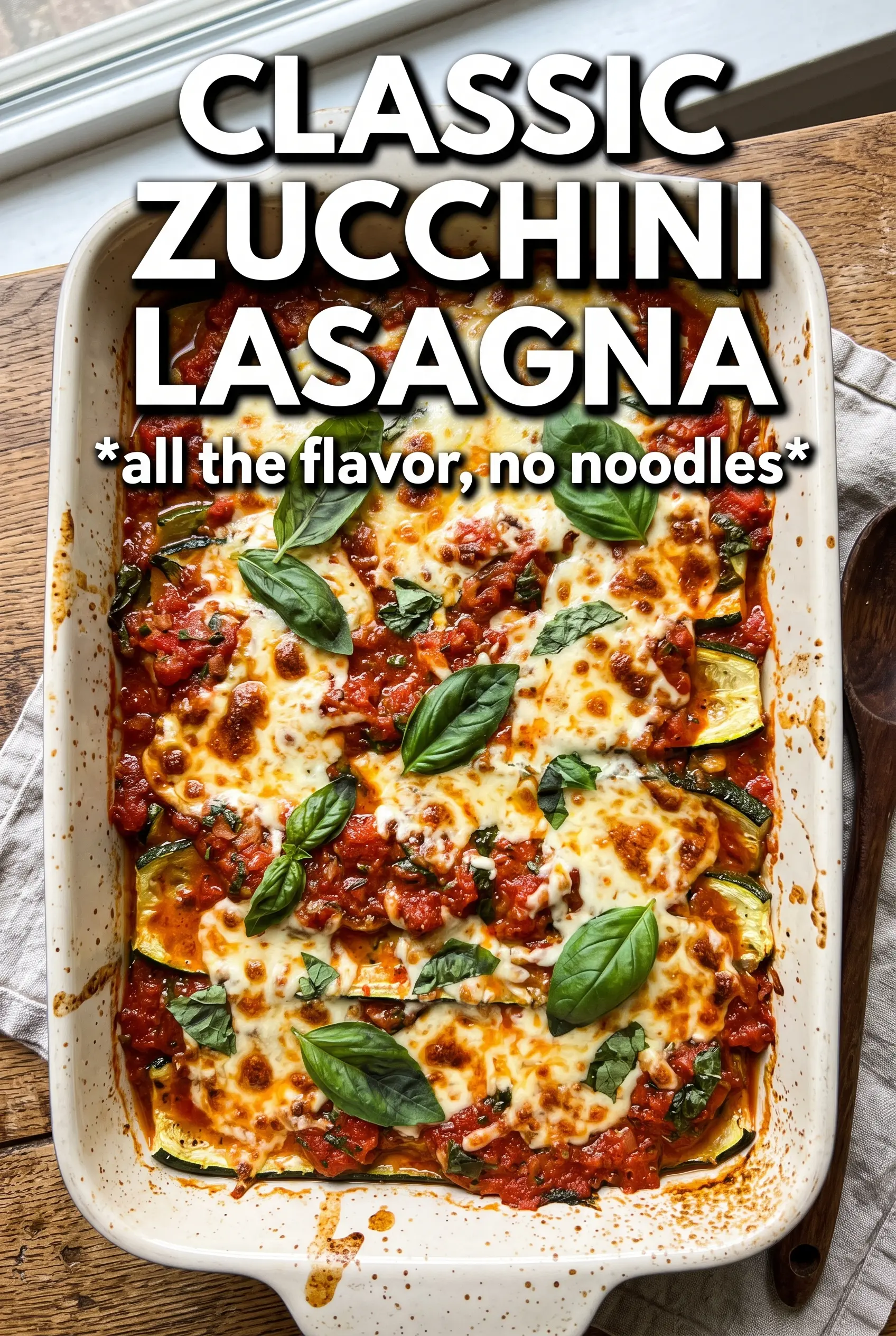
Classic Zucchini Lasagna
Ingredients
Equipment
Method
- Salt the zucchini planks and let sit for 20 minutes to sweat out moisture, then pat very dry with paper towels.
- Grill or roast the zucchini planks in a 425°F oven on a sheet pan for 10 minutes to remove more moisture, then set aside.
- Preheat the oven to 375°F.
- Brown the ground beef with the diced onion, drain the fat, then add garlic, marinara, and Italian seasoning and simmer for 10 minutes.
- Mix ricotta with the egg, parmesan, parsley, salt, and pepper until smooth and evenly combined.
- Assemble in a 9x13 dish: spread 1/2 cup meat sauce, layer zucchini planks, spread ricotta, add meat sauce, sprinkle mozzarella, and repeat layers, ending with meat sauce and mozzarella on top.
- Cover with foil and bake for 40 minutes at 375°F, then uncover and bake for 15 minutes until golden and bubbly.
- Rest for 15 minutes before cutting so the layers set, then serve with extra parmesan and fresh basil.