Pesto zucchini lasagna bakes into something sturdy, creamy, and sharply green in the best way. The zucchini softens just enough to feel tender, but it still holds its shape between layers of ricotta, basil pesto, and melted mozzarella, so each slice comes out neat instead of collapsing into a puddle. The first bite is all herb, garlic, and warm cheese, with the sun-dried tomatoes adding a little sweet chew if you use them.
The part that makes this version work is treating the zucchini like a vegetable that needs prep, not just assembly. Salting and roasting the planks pulls out water before they ever hit the baking dish, which keeps the lasagna from turning soupy. The pesto also matters here: a good one should taste bright and punchy, because it’s carrying most of the seasoning in the dish.
Below, I’ve included the small details that matter most — how to keep the layers from sliding, what to do if your zucchini are extra watery, and the swaps that still give you a solid, sliceable green lasagna.
The zucchini stayed firm enough to slice, and salting it first kept the lasagna from getting watery. I loved how the pesto stayed bright after baking.
Save this pesto zucchini lasagna for the night you want a sliceable vegetarian bake with bright basil flavor and no noodles.
The Step Most People Skip That Keeps Zucchini Lasagna from Turning Watery
Zucchini is full of moisture, and that’s the difference between a lasagna that slices cleanly and one that slumps into the pan. Salting the planks first draws out a surprising amount of liquid, and the quick roast after that finishes the job by drying the surface so the layers can grip each other. If you skip both, the ricotta loosens, the pesto thins out, and the whole dish ends up tasting muted instead of layered.
The other thing that helps is not overloading the pan with sauce. Zucchini needs enough pesto to taste generous, but not so much that it floods the layers. You want visible pesto between the ricotta and mozzarella, not a pool at the bottom of the dish.
- Salted zucchini releases water before baking, which keeps the finished casserole from steaming itself apart.
- Roasting the planks briefly gives you a drier, more concentrated vegetable layer with better texture.
- A thicker pesto works better than a loose one because it stays put between the layers.
- Letting the lasagna rest after baking is what gives you clean slices instead of a cheesy slide.
What Each Ingredient Is Actually Doing in This Green Lasagna
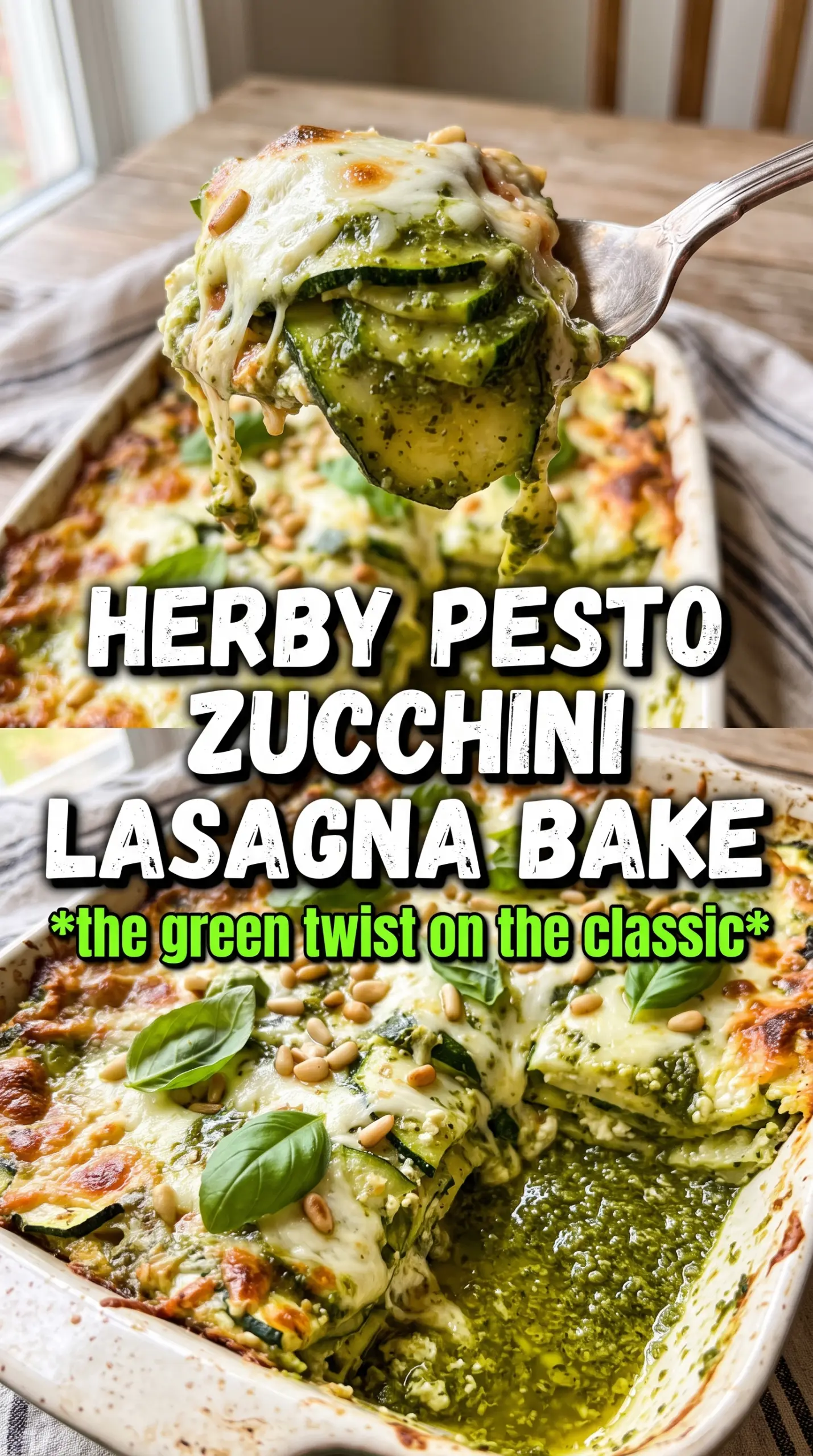
- Zucchini — This is your noodle replacement, so size matters. Large zucchini slice into wide planks that stack better than skinny ones, and if they’re very seedy in the center, trim that middle part away so the layers stay firmer.
- Basil pesto — This is the main flavor engine, so use one you’d actually eat on its own. Store-bought pesto is fine if it tastes fresh and garlicky; if it’s oily and flat, the whole lasagna will taste dull.
- Ricotta — It gives the filling body and creaminess. The egg helps it set, so the layers hold together when you slice the baked dish.
- Mozzarella — This is what gives you that stretchy, browned top. Low-moisture shredded mozzarella melts more cleanly than fresh mozzarella here.
- Parmesan — Use good parmesan if you can, because it sharpens both the pesto and the ricotta filling. This isn’t the place for a bland, powdery version.
- Sun-dried tomatoes — Optional, but they bring a sweet-tart punch that cuts through the richness. If you use them, chop them fine so they don’t pull the layers apart.
Building the Layers So They Slice Cleanly
Drying the Zucchini First
Salt the zucchini planks and let them sit until they look damp on the surface and a little softened at the edges. Pat them dry instead of rinsing them, then roast them hot so the excess moisture evaporates before assembly. If the planks go into the dish wet, they’ll keep shedding water as the lasagna bakes and the center won’t set properly.
Making the Pesto Thick Enough to Hold
Blend the basil, pine nuts, garlic, and parmesan first, then stream in the olive oil until the pesto is smooth but still spoonable. You’re looking for a texture that spreads easily without running across the pan. If it turns too thin, the oil ratio was too loose or the blender ran too long.
Layering Without Letting It Slip
Start with a thin swipe of pesto on the bottom of the baking dish so the first zucchini layer doesn’t stick. Build in modest layers: zucchini, ricotta, pesto, tomatoes if using, then mozzarella. Press each layer down lightly as you go; if you pile too much filling in the center, the lasagna domes and falls apart when cut.
Baking Until the Top Is Golden, Not Dry
Cover the dish first so the ricotta heats through and the layers settle. Then uncover it for the last stretch so the mozzarella can brown and the pesto edges darken a little. The top should be bubbling at the edges and deeply golden in spots, not dried out and crusty all over.
Three Ways to Adapt This Pesto Zucchini Lasagna
Dairy-Free Version
Use a dairy-free ricotta and a melty plant-based mozzarella, then swap the parmesan in the pesto for a salty vegan hard cheese or nutritional yeast. The texture will be a little softer and less rich, but you’ll keep the same layered, basil-forward feel.
Gluten-Free and Low Carb as Written
This recipe already skips noodles, so it naturally lands in gluten-free and low-carb territory as long as your pesto and cheese are certified or made without hidden fillers. The biggest thing to watch is the pesto label; some jarred versions include starches or breadcrumbs.
Using Eggplant Instead of Some Zucchini
Swap one or two zucchini for thin eggplant planks if you want a deeper, meatier bite. Eggplant needs the same salting-and-roasting treatment, and it adds more richness, but the finished lasagna will be denser and a little less bright.
Make-Ahead Assembly
You can assemble the lasagna a few hours ahead and refrigerate it before baking. Cover it tightly, then add about 10 minutes to the covered bake time since the dish starts cold. The only thing I wouldn’t do is let it sit overnight fully assembled, because the zucchini keeps giving off moisture.
Storage and Reheating
- Refrigerator: Store leftovers for up to 4 days. The lasagna firms up as it chills, so slices hold even better the next day.
- Freezer: It freezes fairly well in portions, though the zucchini will soften a bit after thawing. Wrap slices tightly and freeze for up to 2 months.
- Reheating: Reheat covered in a 325°F oven until hot in the center, or warm single slices in the microwave at medium power. High heat is the mistake here; it pushes out more moisture and can make the cheese greasy.
Questions I Get Asked About This Recipe
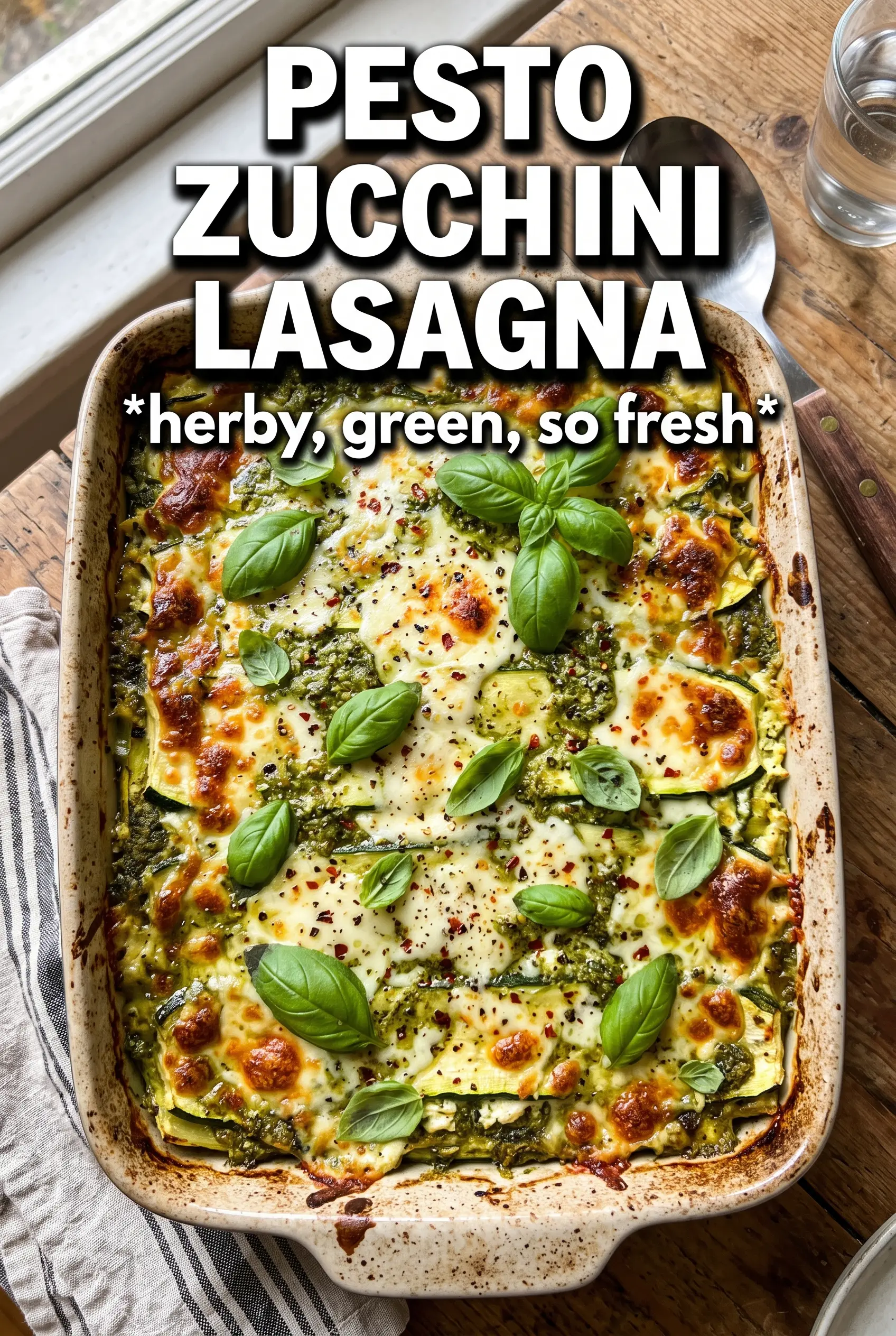
Pesto Zucchini Lasagna
Ingredients
Equipment
Method
- Salt the zucchini planks and rest for 20 minutes so they release moisture.
- Pat the zucchini dry and spread on a sheet pan, then roast at 425°F for 10 minutes until slightly tender.
- Blend basil, pine nuts, garlic, and parmesan until finely chopped.
- With the blender running, stream in olive oil and blend until smooth, then season with salt to taste.
- Stir ricotta, egg, parmesan, chopped basil, salt, and pepper until evenly combined.
- Preheat the oven to 375°F and spread 3 tablespoons pesto on the bottom of a 9x13 dish.
- Layer the zucchini planks, then spread the ricotta evenly over the zucchini.
- Dollop and spread pesto generously over the ricotta.
- Scatter sun-dried tomatoes over the pesto if using.
- Top with shredded mozzarella, then repeat layers ending with mozzarella.
- Cover with foil and bake for 30 minutes.
- Uncover and bake for 15 minutes at 375°F until the top is golden.
- Rest the lasagna for 15 minutes to set the layers before slicing.
- Serve with extra pesto drizzled over each slice and extra basil if desired.