Hobo dinner foil packets deliver the kind of meal that comes out of the fire with steam pouring off the edges, butter melting into the vegetables, and ground beef tucked under tender potatoes that soaked up every bit of seasoning. It’s a simple campfire classic, but the best versions aren’t thrown together carelessly. The layering matters, the packet seal matters, and the cook time matters if you want vegetables that are tender without turning mushy.
This version uses thin beef patties instead of loose crumbles, which helps the meat cook evenly while keeping the juices inside the packet where they belong. Sliced potatoes and carrots go on the bottom because they need the most heat, and the butter on top bastes everything as the packet cooks. Heavy-duty foil is worth using here. Thin foil tears too easily once the vegetables soften and the packet gets flipped over hot coals.
Below, I’m breaking down the one thing that keeps these from turning disappointing, plus the ingredient choices that actually change the outcome. There’s also a few smart variations if you want to swap the meat, change the vegetables, or prep these ahead for the fire.
The potatoes were perfectly tender and the beef stayed juicy. I liked that the butter melted through everything instead of drying out the vegetables, and the packets held up great over the fire.
Save these hobo dinner foil packets for your next campfire meal when you want beef, potatoes, carrots, and onions cooked together in one sealed packet.
The Part Most Foil Packet Dinners Get Wrong
The biggest mistake with foil packet dinners is packing everything in without thinking about cook times. Potatoes are dense. Carrots are stubborn too. If you put them in large chunks or pile the beef underneath them, the meat can be done before the vegetables are anywhere close to tender. That’s why this version uses sliced vegetables and a thin beef patty on top, so the heat moves through the packet in the right order.
The other thing that matters is the seal. A loose packet leaks steam, and steam is what softens the vegetables and keeps the beef from drying out. Crimp the edges tightly and give the packet a little room inside so the ingredients can steam without bursting the foil open.
What Each Ingredient Is Doing In The Packet
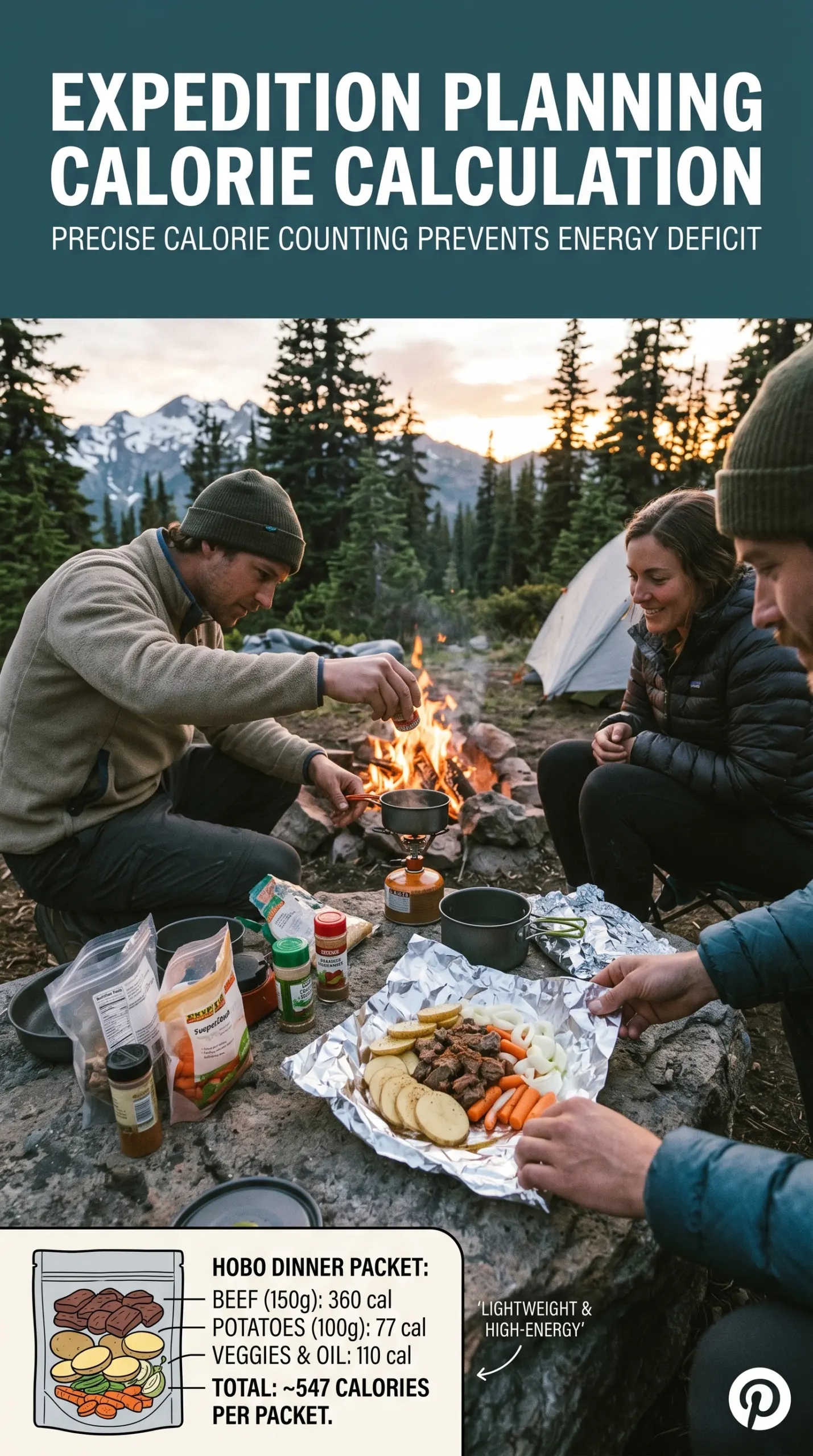
- Ground beef — Forming it into thin patties helps it cook through at the same pace as the vegetables underneath. Loose crumbles cook faster and can dry out before the potatoes are tender.
- Potatoes — These need to be sliced thin so they soften in the same 25 to 30 minute window. Thicker chunks will leave you with a packet that’s done in the center but still firm where it matters most.
- Carrots — Sliced carrots add sweetness and hold their shape better than softer vegetables. If yours are especially thick, cut them a little thinner than the potatoes so they catch up in the fire.
- Onion — Onion melts into the butter and beef drippings as it cooks, giving the whole packet its base flavor. Yellow or white onion both work; red onion is fine too, but it turns softer and sharper-tasting.
- Butter — This is what keeps the packet from tasting flat. It melts down through the layers and carries the seasoning into the vegetables, which is why oil doesn’t give quite the same result.
- Heavy-duty foil — Regular foil can work in a pinch, but heavy-duty foil is the safer choice over campfire heat. It holds up better when you flip the packets and keeps the bottom from tearing open over the grate.
How To Build A Foil Packet That Cooks Evenly
Shape The Beef First
Divide the ground beef into four equal portions and flatten each one into a thin patty. Don’t make them thick like burger patties or the inside will lag behind the vegetables. Thin patties cook more evenly in the packet and give off just enough fat to season the vegetables below.
Layer From Hardest To Softest
Put the potatoes on the foil first, then the carrots and onions, and place the beef patty on top. That order lets the vegetables closest to the heat get the longest cook time. If you reverse the layers, the beef can overcook before the vegetables soften, and the packet turns uneven.
Seal In The Steam
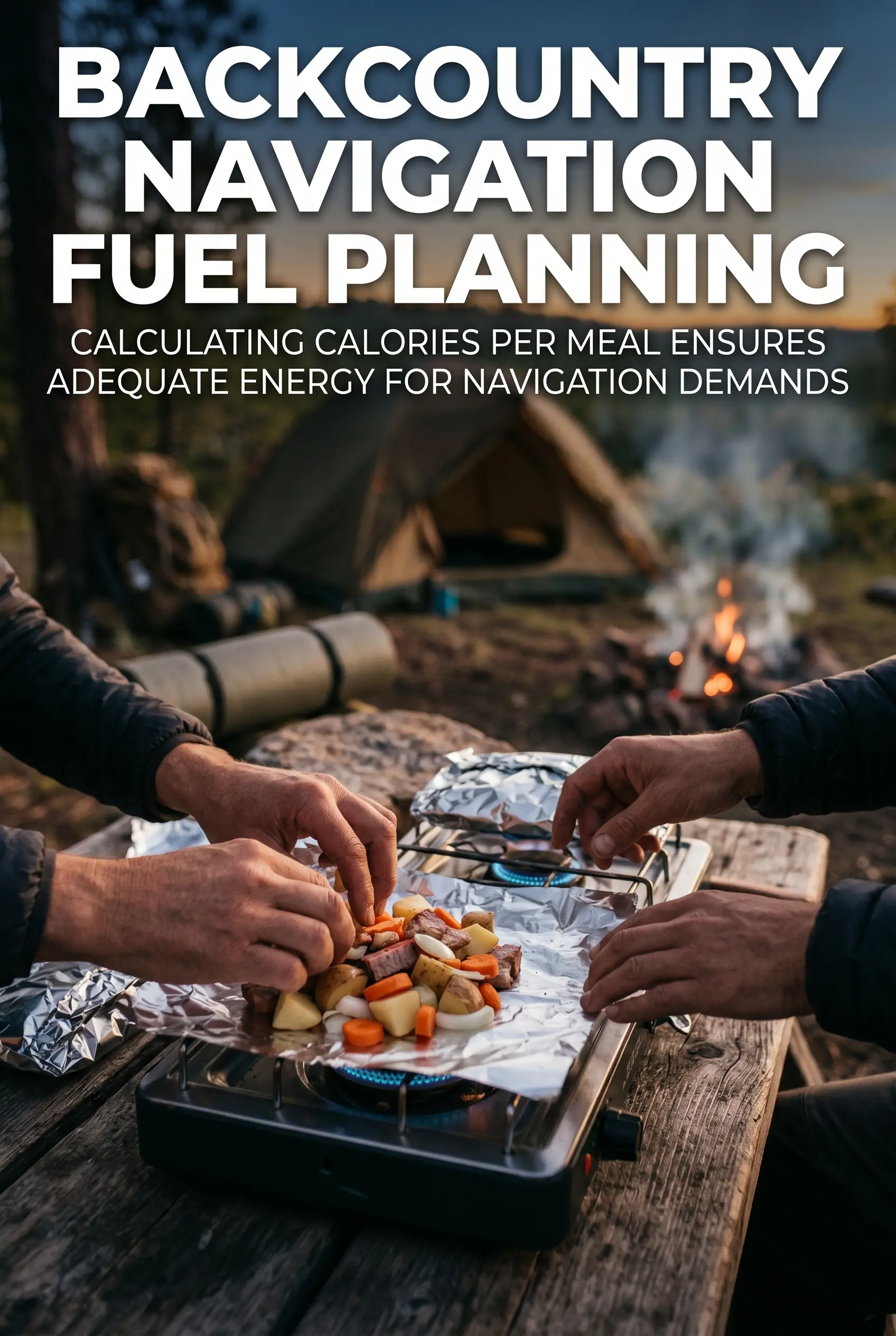
Add salt, pepper, garlic powder, and a tablespoon of butter to each packet, then fold the foil over and crimp the edges tightly. The packet should be sealed enough that steam stays inside but not so tight that it can’t puff a little as it cooks. If you see juice leaking before it hits the fire, reseal it before moving on.
Cook Over Medium Heat, Not Flames
Set the packets on a campfire grate over medium heat and cook for 25 to 30 minutes, flipping them halfway through. Bright flames can scorch the foil before the vegetables are tender, so aim for steady heat and hot coals if you have them. Open one packet carefully near the end and check for tender potatoes and beef that’s cooked through in the center.
How To Adapt These Packets For Different Cookouts
Make It With Ground Turkey
Swap the beef for ground turkey and add an extra tablespoon of butter or a drizzle of oil to each packet. Turkey is leaner, so it needs a little help staying juicy, and the butter also keeps the vegetables from tasting dry.
Use A Vegetarian Fill-In
Replace the beef with thick slices of mushrooms and extra onions for a meatless packet that still feels hearty. You’ll lose the savory beef drippings, so add a little more garlic powder and a pinch of smoked paprika if you have it.
Make It Gluten-Free Without Thinking About It
This recipe is naturally gluten-free as written, which makes it easy to serve at mixed-crowd cookouts. Just check any seasoning blends you add beyond the garlic powder, since some store-bought mixes include wheat fillers.
Prep Them Ahead For The Cooler
You can assemble the packets a few hours ahead and keep them chilled until the fire is ready. Cut the potatoes and carrots close to the same size, then keep the packets cold so the beef stays safe and the butter doesn’t leak out before cooking.
Storage and Reheating
- Refrigerator: Store leftovers in an airtight container for up to 3 days. The potatoes soften a little more after chilling, but the flavor still holds up well.
- Freezer: I don’t recommend freezing cooked foil packet dinners. The potatoes turn grainy and the vegetables lose their texture once thawed.
- Reheating: Reheat gently in a covered skillet over low heat or in a 325°F oven until hot. High heat dries out the beef fast, and it can make the vegetables break apart before the center warms through.
Answers To The Questions Worth Asking
Hobo Dinner Foil Packets
Ingredients
Equipment
Method
- Divide the ground beef into 4 portions and shape each into a thin patty for even cooking.
- Preheat your campfire setup for medium heat so the packets can cook steadily.
- Layer sliced potatoes, carrots, and onions on each foil sheet, then place a beef patty on top.
- Season each packet with salt, pepper, and garlic powder, then dot the top with 1 tablespoon butter.
- Fold foil into sealed packets and crimp the edges tightly to keep steam inside.
- Place packets on a campfire grate over medium heat for 25-30 minutes, flipping halfway through for balanced browning.
- Carefully open packets (watch for steam) and check that the beef is cooked through and vegetables are tender.
- Let packets cool for 5 minutes before serving directly from the foil.