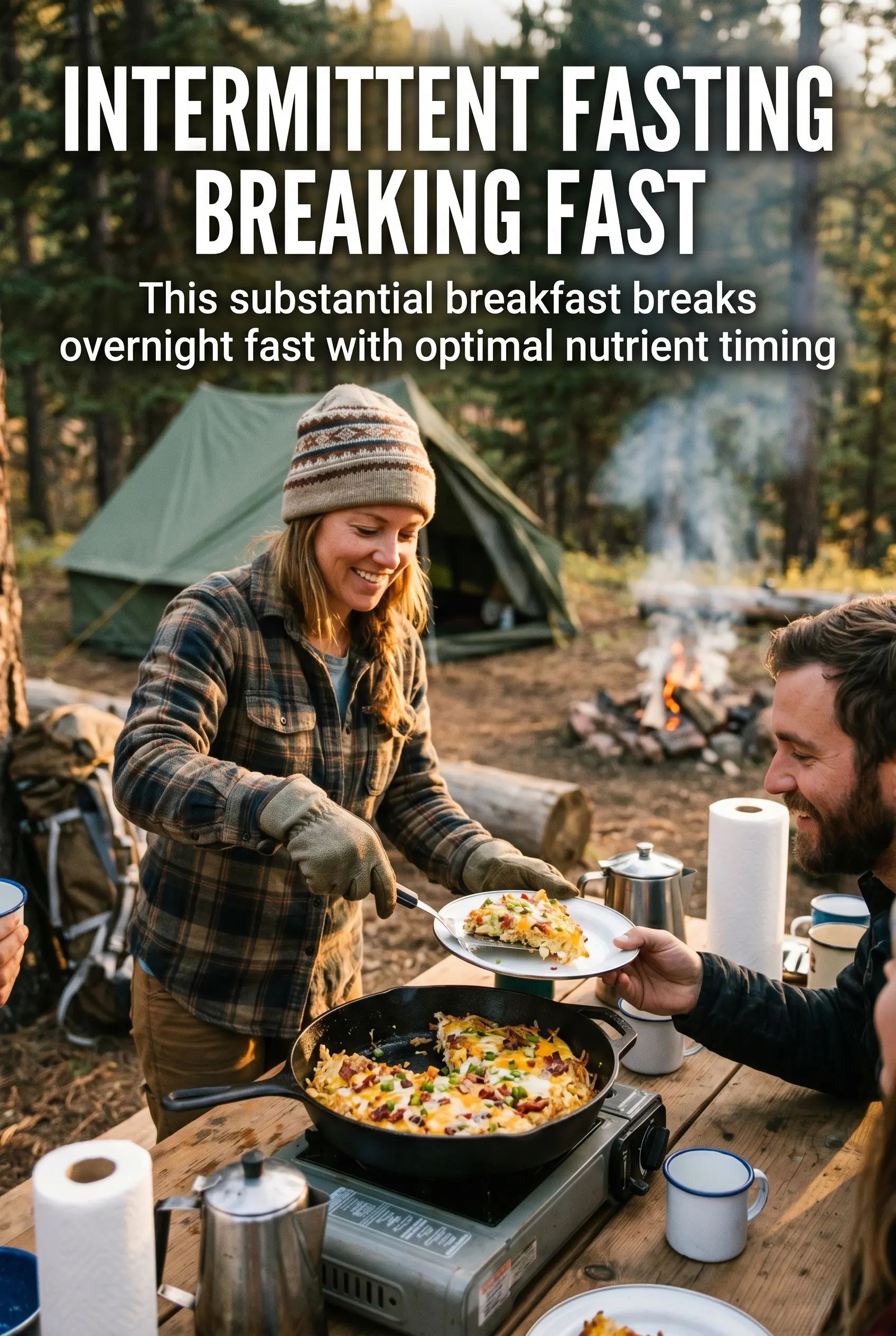
Crispy hash browns on the outside and soft, cheesy eggs in the middle make these loaded grilled hash brown omelets the kind of breakfast people hover over. The skillet does double duty here: it builds a sturdy potato crust while the eggs set underneath, so every slice gives you crunch, melt, and savory filling in the same bite. It feels hearty enough for a camping breakfast, but it cooks fast enough to pull off on an ordinary morning when you want something that eats like a big deal.
The trick is letting the first layer of hash browns turn properly golden before the eggs go in. If the potatoes are still pale, they won’t hold together when you flip or fold the omelet, and you’ll lose that crisp edge that makes the whole dish work. Thawed hash browns help too, since excess ice turns to steam and softens the crust instead of browning it.
Below you’ll find the timing that keeps the eggs set without drying them out, plus a few ways to adapt this for different fillings or make it work when you’re cooking outdoors with what you’ve got on hand.
The hash brown layer got crisp on the bottom, the eggs stayed fluffy, and the cheese melted through all the bacon and peppers instead of sliding off. I cooked it in my cast iron over the camp stove and it held together way better than I expected.
These loaded grilled hash brown omelets stay crisp at the edges and cheesy in the center, so they’re worth pinning for your next campfire breakfast or weekend skillet brunch.
The Part That Keeps the Hash Brown Crust From Falling Apart
The crust only works if the potatoes get a head start. Frozen hash browns release moisture as they thaw, and that moisture has to cook off before the eggs go in, or the bottom layer turns soft and slippery. A hot cast iron skillet helps, but heat alone won’t save a wet potato layer.
Press the first layer of hash browns into the pan and leave it alone long enough to brown underneath. If you stir or fuss with it too soon, you break the starches before they knit together. The goal is a thin, even base with actual color, not just warmed-through potatoes.
- Frozen hash browns — Thawed hash browns brown better and stick together more cleanly. If yours still feel damp, spread them on a towel and pat them dry before they hit the skillet.
- Cast iron skillet — This holds heat evenly and gives you the best shot at a crisp crust over a campfire or burner. A thin pan can work, but it’s easier to scorch one spot before the rest of the potatoes catch up.
- Butter or oil — Butter gives better flavor, while oil is a little more forgiving over high heat. If you use butter alone, watch the color closely so it doesn’t burn before the potatoes brown.
What Each Filling Is Doing Inside the Omelet
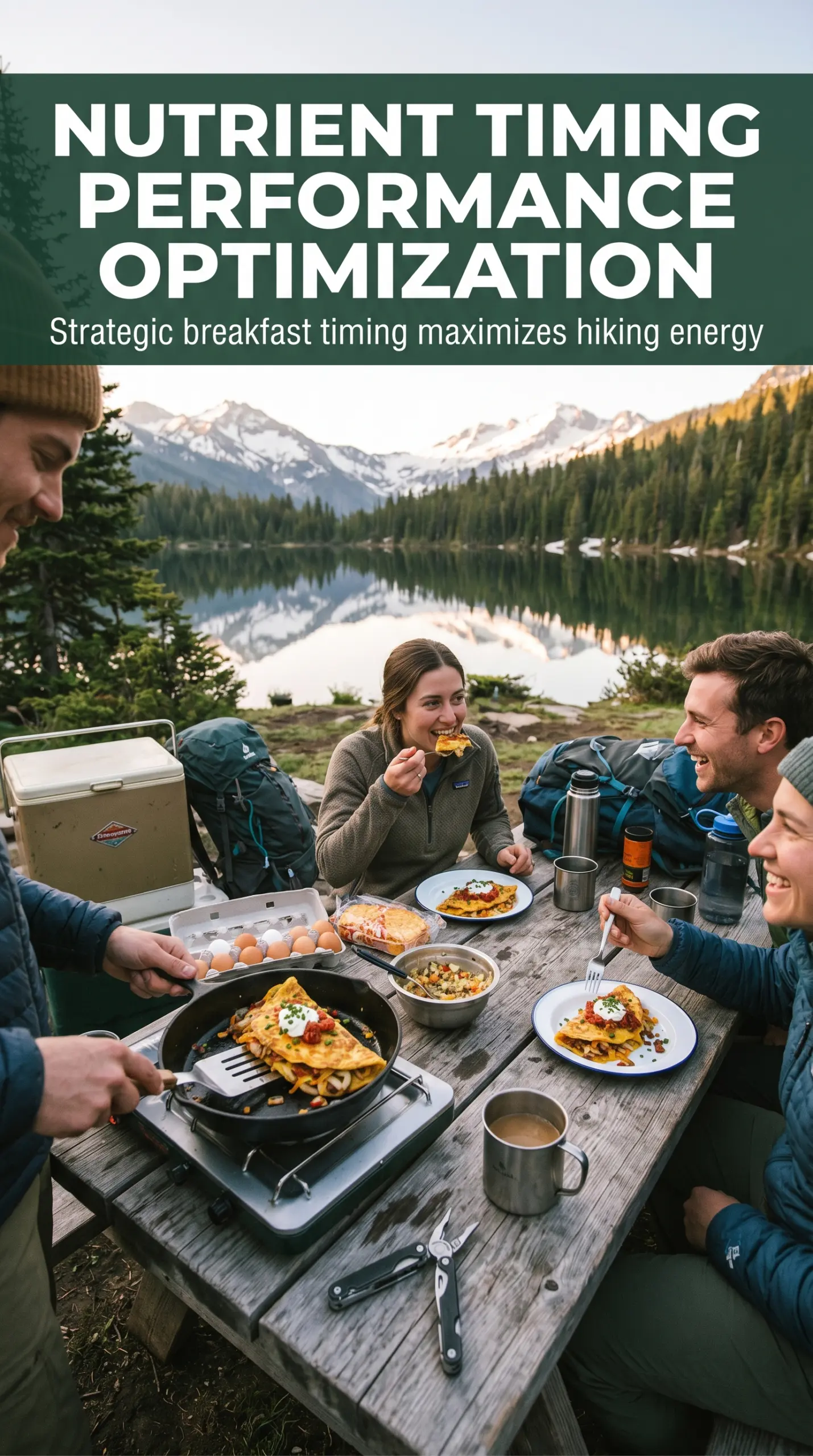
The eggs hold the whole thing together, but the cheese is what makes the center feel rich instead of just savory. Cheddar melts cleanly and clings to the bacon and peppers, which keeps the filling from tasting scattered. If you swap in a milder cheese, expect less sharpness and a softer melt; if you use a very soft cheese, it can disappear into the eggs instead of giving you those gooey pockets.
Bacon adds salt and smoke, while green onions and bell peppers cut through the richness with a little bite and freshness. Cooked bacon is important here because raw bacon won’t have time to render properly before the eggs set. If you want to keep the filling simple, you can trim it down to cheese and onions and still get a strong result.
Building the Omelet So the Center Sets Before the Bottom Burns
Let the First Layer Brown Fully
Heat the butter until it’s foaming, then spread half the potatoes in an even layer and leave them alone until the edges turn deep gold. You should hear a steady sizzle, not an aggressive spit. If the heat is too low, the potatoes steam; if it’s too high, the outside darkens before the middle has a chance to crisp.
Add the Eggs and Fillings at the Right Moment
Pour the beaten eggs over the browned potatoes, then scatter the cheese, bacon, peppers, and green onions evenly across the surface. Don’t pour the eggs in too early or they’ll seep through raw potatoes and soften the crust. You want the bottom set enough to support the filling before you build the second layer.
Finish With the Top Layer and Gentle Heat
Top with the remaining hash browns and dot the edges with the rest of the butter or oil. Cover the skillet and cook until the eggs are set and the top layer looks dry around the edges, about 12 to 15 minutes. If the bottom is browning too fast, lower the heat and keep the lid on; that trapped steam finishes the eggs without burning the crust.
Flip, Fold, or Slice Without Losing the Crunch
Once the center is mostly set, carefully flip the omelet or fold it in half, depending on how sturdy it feels. A wide spatula and a confident motion matter here. If it tears, it usually means the first potato layer wasn’t browned enough, so let the next one cook a little longer before you move it.
How to Change This Without Losing the Crispy Outside
Make It Vegetarian
Skip the bacon and add extra peppers, onions, or sautéed mushrooms. You’ll lose a little smoky depth, so a pinch of smoked paprika or a sharper cheese helps fill that gap.
Go Dairy-Free
Use oil instead of butter and swap in a dairy-free shredded cheese that melts well. You won’t get quite the same creamy pull, so keep the filling modest and let the potatoes do more of the textural work.
Use Different Breakfast Meat
Cooked sausage, diced ham, or chopped turkey bacon all work here. Just keep the pieces small so the omelet slices cleanly and the fillings stay evenly distributed.
Add More Crowd-Feeding Bulk
Stretch the filling with extra hash browns or another egg or two if you’re feeding hungry people. The only catch is pan size: crowding the skillet makes the center take longer to set, so use a wider pan or cook in batches.
Storage and Reheating
- Refrigerator: Store leftovers in an airtight container for up to 3 days. The crust softens a bit, but the flavor holds up well.
- Freezer: Freeze sliced portions wrapped tightly for up to 1 month. The texture won’t stay as crisp, but it reheats better than you’d expect for a potato-and-egg breakfast.
- Reheating: Warm slices in a skillet over medium-low heat or in a 350°F oven until heated through. The biggest mistake is microwaving it hard, which makes the eggs rubbery and the potatoes soggy.
Answers to the Questions Worth Asking
Loaded Grilled Hash Brown Omelets
Ingredients
Equipment
Method
- Heat 2 tablespoons butter in a large cast iron skillet over campfire until it melts and shimmers.
- Spread half the hash browns in the skillet and cook for 5 minutes, until golden and beginning to crisp.
- Pour the beaten eggs over the hash browns and sprinkle the cheddar evenly over the top.
- Add the bacon, bell peppers, and green onions over the eggs and cheese so the fillings sit across the surface.
- Top with the remaining hash browns and add the remaining butter around the edges.
- Cover and cook for 12-15 minutes until the eggs are set and the bottom is crispy.
- Flip carefully or fold in half, then cut into wedges for easy serving.
- Serve hot right away so the hash brown crust stays crisp.