Apple cider cake bakes up with a tender crumb, warm spice, and that deep apple flavor you only get when the cider is reduced first. The reduction gives the cake a stronger, almost baked-apple taste without watering down the batter, and the sour cream keeps the layers soft instead of dry. Paired with cream cheese frosting, it lands somewhere between cozy and celebratory, which is exactly why it tends to disappear fast.
The trick here is patience with the cider. Reducing it concentrates the flavor and keeps the batter balanced, while the butter, brown sugar, and eggs build enough structure to hold the cake together without making it heavy. I also like the spice mix kept restrained; cinnamon leads, but nutmeg and allspice stay in the background so the apple still tastes like apple.
The cider reduction made all the difference. My layers baked up light and even, and the frosting stayed thick enough to spread without sliding off the cake.
Save this apple cider cake for the kind of dessert that needs soft layers, warm spice, and a cream cheese frosting that holds its shape.
The Cider Reduction Is What Keeps This Cake from Tasting Flat
Most apple cakes rely on spice alone, which can leave the apple flavor tasting thin once the cake is baked. Reducing the cider solves that problem because it concentrates the fruit before it ever hits the batter. You end up with flavor that reads as apple cider, not just sweet spice cake with a vague orchard note.
The other thing that matters here is balance. Sour cream adds moisture and a slight tang that keeps the cake from leaning too sweet, while the brown sugar gives depth that white sugar can’t match. If you skip the reduction or add the cider straight from the bottle, the batter gets looser and the flavor gets washed out.
What the Spice Blend and Dairy Are Doing in Each Layer
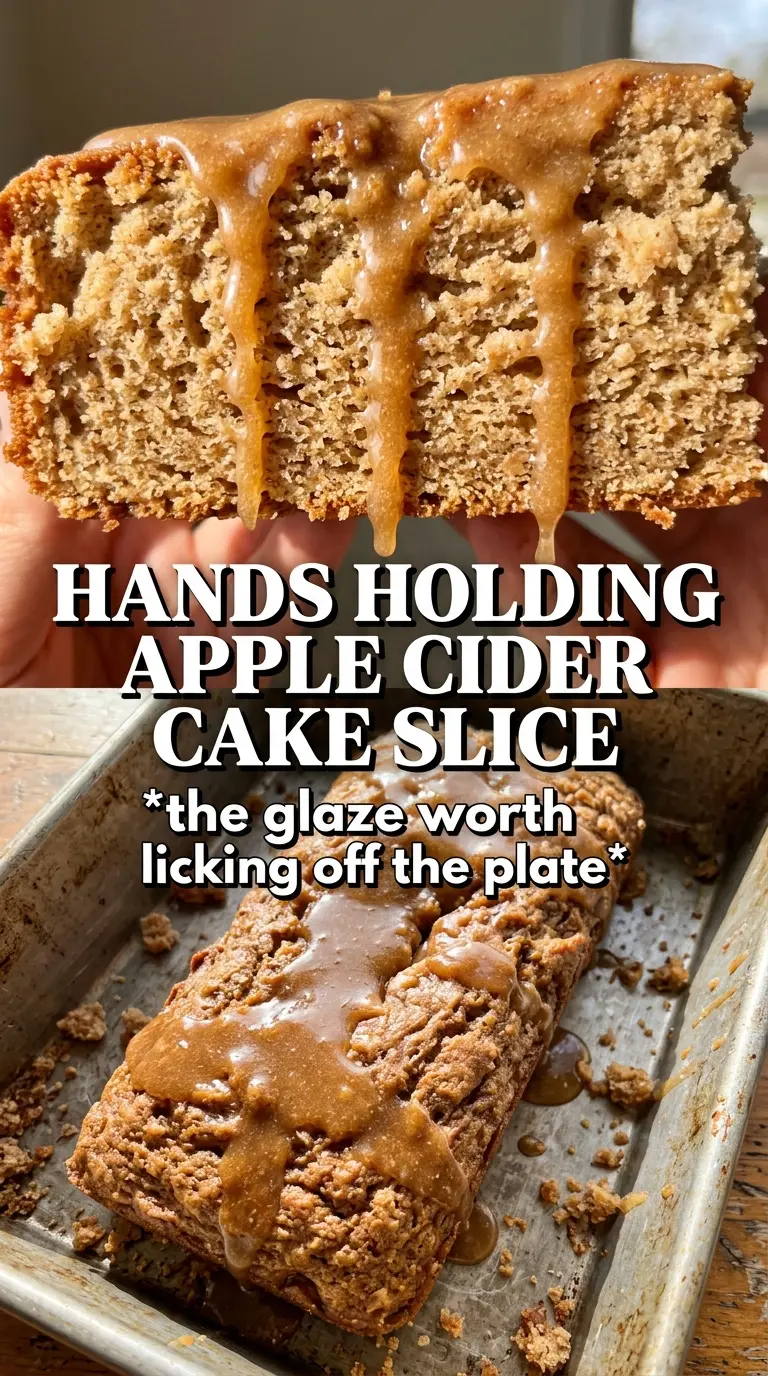
- Apple cider — Reduce it to half a cup and cool it completely before adding it to the batter. That extra step concentrates the flavor and keeps the cake from baking up thin. Don’t use apple juice here; it tastes sweeter and flatter.
- Brown sugar — This gives the cake a deeper, molasses-backed sweetness that fits the cider better than granulated sugar would. Packed brown sugar also helps the crumb stay soft.
- Sour cream — This is the moisture insurance in the recipe. It keeps the layers tender and adds enough acidity to support the baking soda. Full-fat sour cream gives the best texture, but plain whole-milk yogurt works in a pinch.
- Cream cheese frosting — The tang cuts through the sweetness and makes the cake taste finished instead of just sweet. The tablespoon or two of cider in the frosting echoes the cake flavor without making the frosting loose.
- Warm spices — Cinnamon leads, with nutmeg and allspice filling in the background. That combo tastes like cider and baked apples without turning the cake into pumpkin cake in disguise.
Building the Batter So the Layers Stay Light
Reducing the Cider First
Pour the cider into a small saucepan and cook it over medium heat until it reduces to 1/2 cup. It should look a little syrupy and smell stronger, not just hot. Cool it completely before mixing it into the batter, because warm cider can melt the butter mixture and make the cake bake up dense.
Whipping the Butter and Sugar Properly
Beat the softened butter and brown sugar until the mixture looks fluffy and a shade lighter. This traps air, which gives the cake lift before it even goes into the oven. If the butter is too cold, the mixture stays grainy; if it’s melted, you lose the structure that keeps the layers tender instead of heavy.
Adding the Dry Ingredients and Sour Cream in Turns
Alternate the flour mixture and sour cream, starting and ending with flour. That keeps the batter from breaking and helps it stay smooth, not curdled-looking. Stop mixing as soon as the flour disappears; overmixing after the flour goes in is the fastest way to get a tough crumb.
Baking and Cooling Without Rushing It
Divide the batter evenly between two greased 9-inch pans and bake until a toothpick comes out clean, about 35 to 40 minutes. The centers should spring back lightly when touched, and the edges will pull a little from the pan. Let the cakes cool completely before frosting, or the cream cheese frosting will slide and the layers can tear.
Three Ways to Make This Apple Cider Cake Fit Your Kitchen
Make it dairy-free
Swap the butter for a good plant-based baking stick, use unsweetened dairy-free yogurt in place of the sour cream, and make a dairy-free frosting with vegan cream cheese. The cake will still be tender, though the frosting will be a little softer and may need extra chilling before serving.
Turn it into a sheet cake
Bake the batter in a greased 9×13-inch pan and start checking a few minutes early, since the cake will bake a little faster in a single layer. You’ll lose the stacked look, but you gain an easier slice-and-serve dessert that travels well.
Use pears instead of part of the cider flavor
If you want a softer fruit note, fold a thin layer of finely diced sautéed pear between the cake and frosting or serve the cake with pears on the side. It won’t replace the cider, but it adds a gentle fruitiness that fits the spice blend without making the cake wet.
Storage and Reheating
- Refrigerator: Store covered for up to 4 days. The crumb stays moist, and the frosting holds up well, though the cake tastes best after sitting at room temperature for a bit.
- Freezer: Freeze unfrosted layers tightly wrapped for up to 2 months. Frosting the cake before freezing can make the texture grainy once thawed.
- Reheating: Bring slices to room temperature before serving, or warm them briefly in the microwave for 10 to 15 seconds. Don’t overheat them, or the frosting will soften too much and the cake will start to dry at the edges.
Answers to the Questions Worth Asking
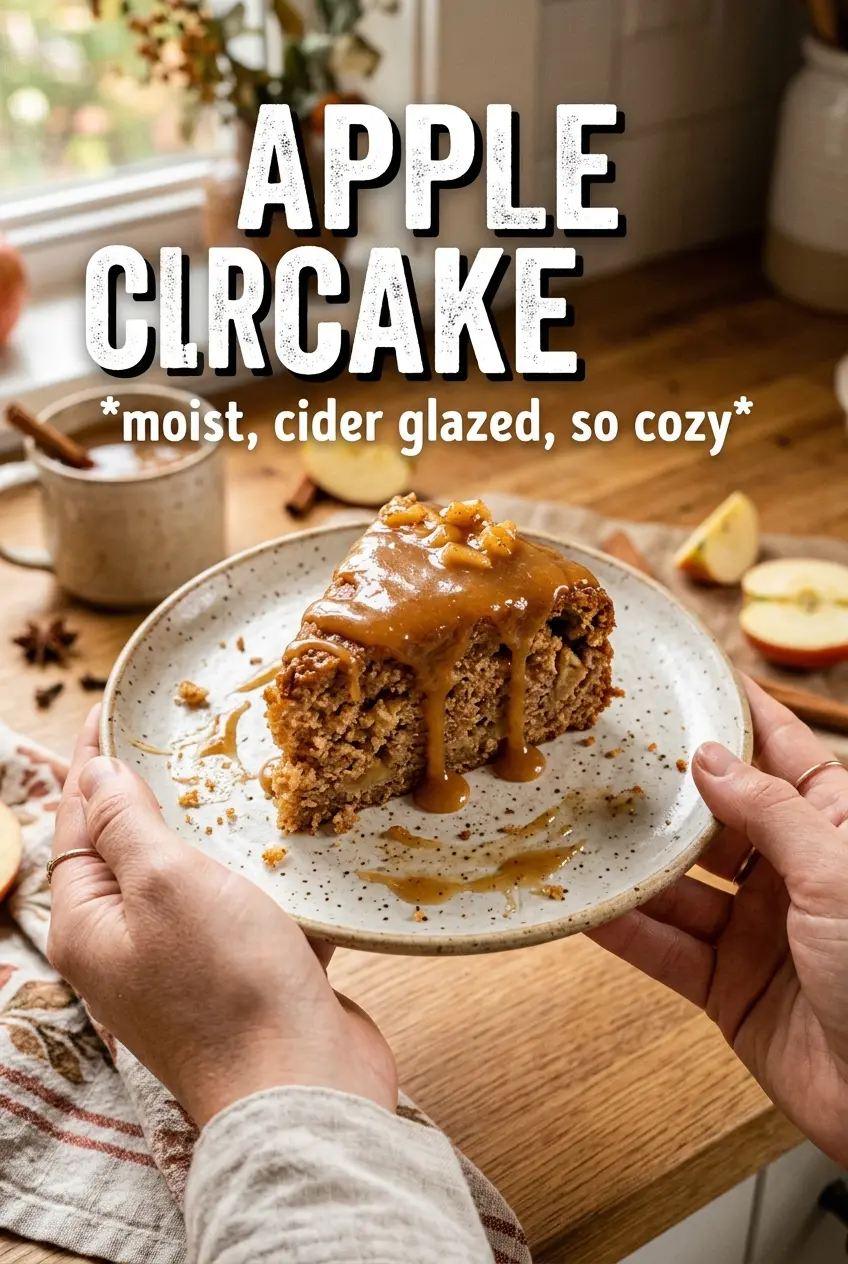
Apple Cider Cake
Ingredients
Equipment
Method
- Reduce 1 cup apple cider to 1/2 cup over medium heat, stirring occasionally, then cool completely.
- Preheat oven to 350F and grease two 9-inch round cake pans.
- Whisk together all-purpose flour, baking powder, baking soda, salt, cinnamon, nutmeg, and allspice.
- Beat softened unsalted butter and packed brown sugar until very fluffy in a stand mixer.
- Add eggs one at a time, then mix in vanilla extract and the reduced cider until smooth.
- Alternate adding the flour mixture and sour cream, mixing just until combined after each addition.
- Divide batter evenly between the two cake pans.
- Bake for 35-40 minutes at 350F until a toothpick comes out clean.
- Cool completely, then frost with cream cheese frosting between layers and over the top.
- For the frosting, beat cream cheese and butter until smooth, then mix in powdered sugar and vanilla, finishing by mixing in 2 tbsp cider until spreadable.


