Apple fritter bites land somewhere between a doughnut and a warm apple cake, with crisp edges, a tender middle, and little pockets of cinnamon-spiced apple in every bite. The glaze sets just enough to cling without soaking through, so you get that bakery-style finish instead of a greasy, heavy fry-up. They disappear fast because they taste like the best part of a classic fritter, just in a size that’s easier to fry, glaze, and pass around.
What makes this version work is the batter balance. It’s thick enough to hold the apples in place, but not so stiff that the inside turns bready. The apples are diced very finely on purpose; large chunks throw off the shape and can leave the centers undercooked while the outside browns too quickly. A 360°F oil temperature matters here too. Too cool and the bites absorb oil. Too hot and the outside sets before the middle cooks through.
Below, I’ve included the little details that keep the fritter bites light instead of doughy, plus the glaze timing that gives you the cleanest finish.
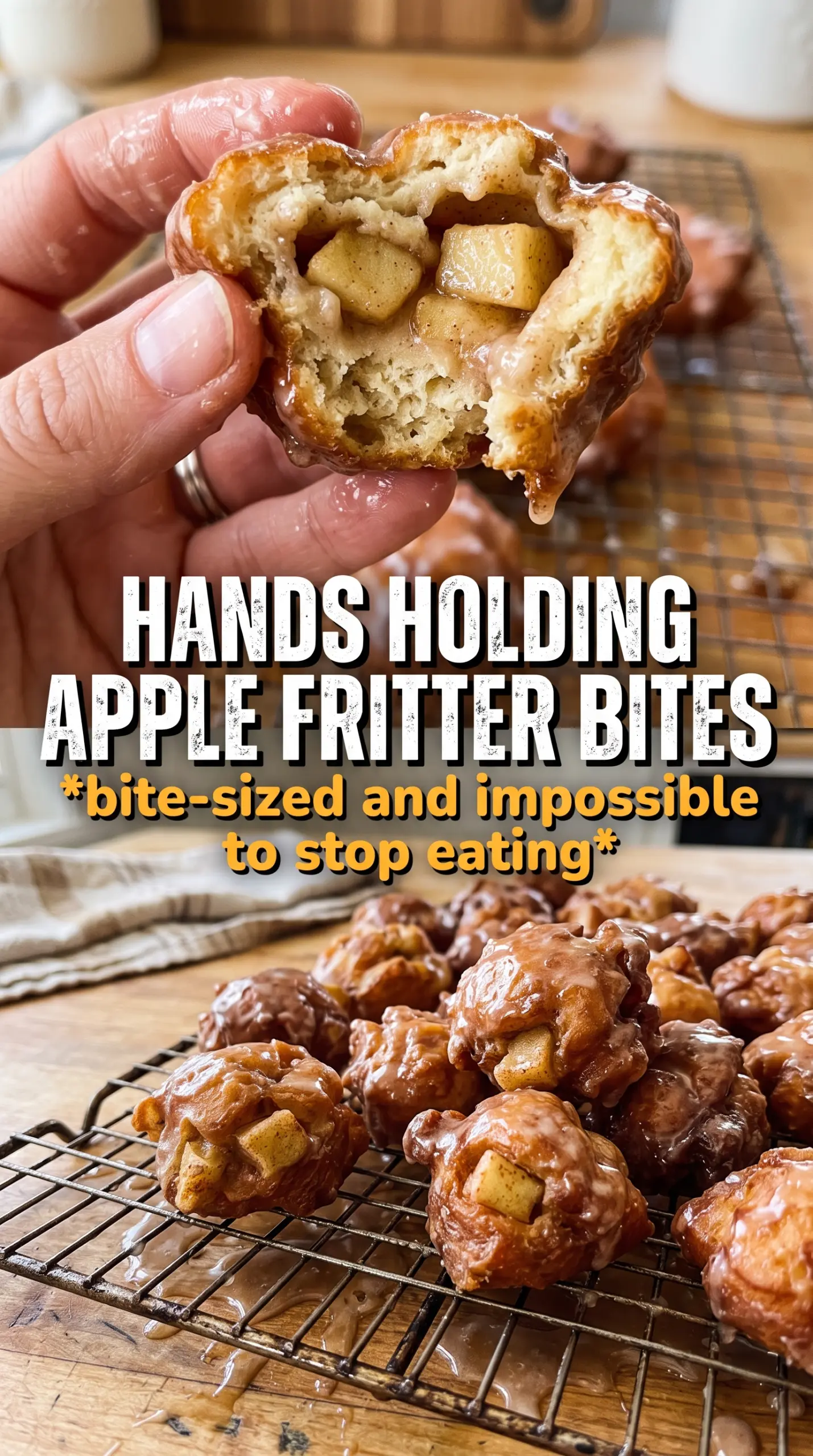
The batter puffed up beautifully and the centers stayed soft instead of gummy. I used a tiny cookie scoop and the fritter bites cooked evenly in about three minutes, then the glaze dried with that perfect sticky finish.
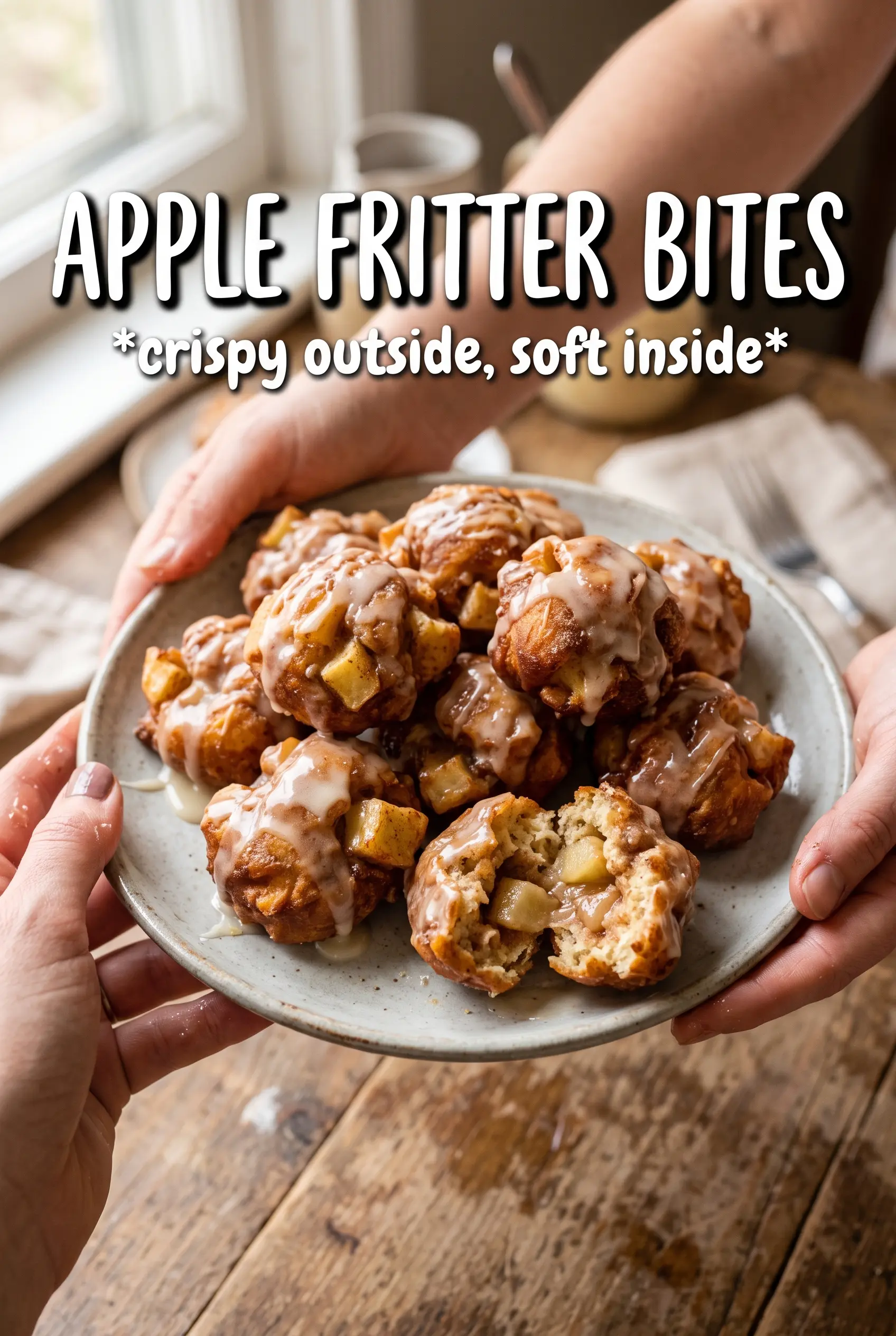
These apple fritter bites fry up crisp outside, soft inside, and the vanilla glaze sets into that bakery-style finish everyone loves.
The Small-Batch Batter Trick That Keeps These from Eating Heavy
The biggest mistake with fritter bites is overworking the batter. Once the wet ingredients hit the dry, stir just until the flour disappears and stop. A few streaks are fine. If you keep mixing, the gluten tightens up and the bites turn dense instead of tender.
The other thing that matters is the apple size. Very finely diced apples cook through before the outside gets too dark, and they spread flavor through the whole bite instead of dropping to the bottom of the batter. If your batter looks loose after folding in the apples, that’s normal. The fruit releases a little moisture, and a slightly thick, scoopable batter is exactly what you want.
- Baking powder — This gives the bites their lift in hot oil. Old baking powder can leave you with flat, greasy fritters, so use a fresh container if yours has been open for a long time.
- Cinnamon and nutmeg — These do more than season the apples; they make the glaze and batter taste connected. Nutmeg should stay in the background, not dominate.
- Whole milk — The fat helps the batter stay tender. Lower-fat milk works in a pinch, but the bites won’t taste as rich.
- Vanilla — Use it in both the batter and the glaze. That’s what gives the finished bites that classic bakery smell when they’re still warm.
What Each Ingredient Is Actually Doing in This Recipe
- Primary ingredient (the star) — Quality matters most. Choose the best you can find.
- Cooking medium (oil, butter, or broth) — This carries flavors and prevents dryness.
- Seasonings (salt, pepper, spices, herbs) — Layer flavors so nothing overpowers. Build depth gradually.
- Aromatics (garlic, onion, herbs) — Cook with fat to bloom flavors. Become the foundation.
- Supporting ingredients — Complement the main ingredient without overpowering it.
- Sauce or liquid (if applicable) — Brings flavors together. Balance richness with acid.
- Acid (lemon, vinegar, wine, or other) — Brightens and prevents flat-tasting results.
- Final finish (garnish, glaze, or sauce) — Prevents one-dimensional taste and adds visual appeal.
Frying Them Hot Enough for a Crisp Shell Without Burning the Apples
Mixing the Batter Without Toughening It
Whisk the dry ingredients first so the baking powder and spices are evenly distributed. In the wet bowl, whisk the eggs, milk, melted butter, and vanilla until smooth, then fold that into the dry mixture with a light hand. Stop as soon as the flour disappears. The batter should look thick and a little rough, not glossy and elastic.
Folding in the Apples
Add the apples after the batter is mixed so they stay evenly suspended. Dice them very small, about the size of a pea or smaller, or they’ll create wet pockets in the center of each fritter. If your apples are especially juicy, pat them dry before folding them in. That keeps the batter from thinning out too much before frying.
Watching the Oil Temperature
Heat the oil to 360°F in a heavy pot and keep a thermometer in it if you can. At that temperature, the bites should bubble immediately when they hit the oil and turn deep golden in about 2 to 3 minutes. If the oil drops too far, the fritters soak up grease. If it runs too hot, the outside browns before the inside cooks through.
Glazing While They’re Still Warm
Drain the fritter bites briefly on paper towels, then glaze them while they’re still warm, not piping hot. Warm fritters help the glaze cling and set in a thin, shiny coat. If you glaze them too soon, the topping slides off. If you wait until they’re fully cool, the glaze won’t spread as smoothly.
How to Adapt These Apple Fritter Bites for Different Kitchens and Cravings
Gluten-Free Version
Use a good 1:1 gluten-free baking blend in place of the flour. The batter may need a minute to thicken after mixing, since some blends hydrate more slowly, but the texture stays close to the original if you don’t overmix it. The bites may brown a little faster, so watch the oil closely.
Baked Instead of Fried
Spoon the batter into well-greased mini muffin cups and bake at 375°F until puffed and golden. You won’t get the same crackly fried crust, but you’ll get a softer, more cake-like bite with less mess. Brush the tops with melted butter before glazing if you want a little more richness.
Apple Swap for Pears
Firm pears can stand in for the apples if that’s what you have. Use them the same way, finely diced and patted dry, but expect a softer, slightly more floral bite. Ripe pears release more juice than apples, so a very soft pear will make the batter looser and harder to fry cleanly.
Storage and Reheating
- Refrigerator: Store leftovers in an airtight container for up to 3 days. The coating softens as they sit, so they won’t stay crisp.
- Freezer: Freeze unglazed fritter bites on a tray, then transfer to a freezer bag for up to 2 months. Glaze after reheating for the best texture.
- Reheating: Warm in a 325°F oven or air fryer until heated through. The mistake to avoid is microwaving them straight from the fridge, which makes the exterior rubbery and the glaze sticky instead of fresh.
Answers to the Questions Worth Asking
Apple Fritter Bites
Ingredients
Equipment
Method
- Whisk all-purpose flour, granulated sugar, baking powder, cinnamon, nutmeg, and salt in a bowl until evenly combined, with no visible dry clumps.
- Whisk eggs, whole milk, melted butter, and vanilla extract together, then fold into the dry ingredients until just combined and the batter looks thick and slightly lumpy.
- Fold in very finely diced apples until evenly distributed throughout the batter, with apple pieces showing in every spoonful.
- Heat 2 inches of vegetable oil to 360F in a heavy pot, watching for steady bubbling around a test dollop.
- Drop rounded teaspoon-sized portions of batter into the oil and fry 2-3 minutes, turning as needed, until deeply golden on all sides (about the color of toasted brown).
- Drain the fried apple fritter bites on paper towels to remove excess oil, then drizzle with vanilla glaze while still warm so it sets lightly.


