Campfire nachos supreme are the kind of plate that disappears the second it hits the table. The chips stay crisp around the edges, the cheese melts into every crack, and the beef brings enough heft to turn a snack into a real meal. When they’re built right, you get smoky, melty, salty, creamy bites in every forkful without ending up with a soggy bottom five minutes later.
The trick is keeping the layers balanced. Half the chips go in first so the toppings aren’t all sitting on the bottom, and the cheese gets tucked between layers so it melts from the inside out. A cast iron skillet helps hold steady heat over the fire, but an aluminum pan works too if that’s what you’ve got. The fresh toppings go on after the skillet comes off the heat, which keeps the tomatoes bright, the jalapeños crisp, and the sour cream from melting into a puddle.
Below you’ll find the one step that matters most for texture, plus a few smart swaps for making these nachos work with what you have on hand. If you’ve ever ended up with chips that collapsed before dinner started, this version fixes that.
The layers stayed crisp on the bottom and the cheese melted all the way through. I used a cast iron skillet over coals and the whole thing came out bubbling in about 15 minutes.
Save these cast iron campfire nachos supreme for the next cookout when you need a smoky, bubbly crowd-pleaser that feeds a table fast.
The Reason These Nachos Stay Crisp Instead of Turning Soft
The biggest mistake with loaded nachos is piling everything into one heavy layer and blasting it until the cheese melts. That usually leaves the bottom chips steaming in their own toppings while the top stays dry. This version solves that by spreading the fillings across two layers, which gives the heat a chance to move through the skillet evenly and keeps the chips from collapsing under all the weight at once.
The other detail that matters is timing. The beef and beans should already be hot or at least warm before they go into the pan, because the nachos only need enough heat to melt the cheese. If you leave them over the fire too long, the chips dry out and the tomatoes turn dull. Pull them the moment the cheese is bubbling and the edges of the chips start to brown.
What Each Topping Is Actually Doing Here
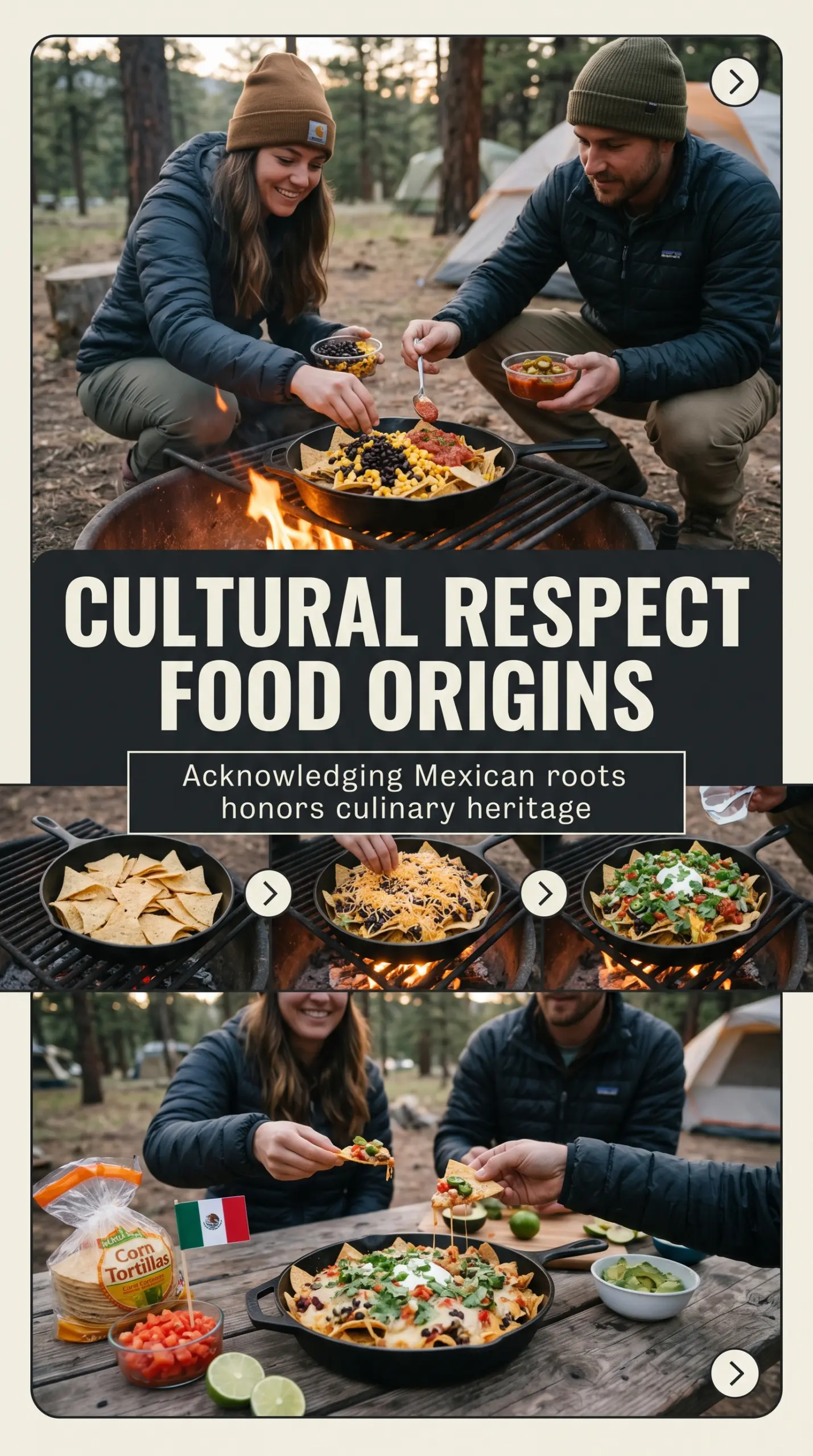
- Tortilla chips — Use sturdy chips here. Thin ones break before the cheese melts, and the whole skillet turns into a scoopless mess. Restaurant-style chips or a thick bagged chip hold up best under the weight of the beef and beans.
- Ground beef with taco seasoning — This gives the nachos their backbone. Cook it until the moisture is mostly gone so it doesn’t puddle at the bottom of the pan. Ground turkey works too, but it needs a little oil because it dries out faster than beef.
- Mexican cheese blend — Pre-shredded cheese melts well enough for campfire cooking because it already has anti-caking starch on it. If you shred your own, it melts even smoother, but it can clump faster if the heat is too aggressive.
- Black beans and corn — These stretch the filling and add texture without making the nachos heavy. Drain them well. Extra liquid is the enemy here, especially over a live fire where steam builds fast.
- Sour cream, guacamole, tomatoes, jalapeños, and cilantro — These belong on after the skillet comes off the heat. They add the cold, fresh contrast that keeps the whole dish from tasting flat. If you add them too early, the dairy melts out and the herbs wilt before anyone gets a bite.
Building the Skillet So Everything Melts at the Same Time
Start With a Base Layer That Can Hold the Weight
Lay down half the chips first, then scatter half the beef, beans, corn, and cheese over them. Don’t try to cover every chip perfectly. A little unevenness is good because it gives the melted cheese places to seep through and bind everything together. If the first layer is too sparse, the top layer slides around; if it’s too crowded, the chips can’t crisp at the edges.
Repeat the Layers Without Packing Them Down
Add the rest of the chips and repeat the toppings in the same order. Keep the layers loose enough that heat can move through the skillet, but not so loose that you end up with bare chips at the bottom. The cheese should be visible across the surface in small pockets, not buried under a blanket of toppings that can’t melt evenly.
Cook Just Long Enough for the Cheese to Bubble
Set the skillet over medium campfire heat for 12 to 15 minutes. Watch for the cheese to melt fully and start bubbling at the edges, and look for the chips around the rim to toast lightly. If the fire is too hot, the bottom scorches before the center melts, so move the pan to a cooler spot on the grate if you hear aggressive sizzling or smell toasted corn turning bitter.
Finish With the Cold Toppings Right Before Serving
Take the skillet off the heat and top with tomatoes, jalapeños, sour cream, guacamole, and cilantro. The contrast matters here. Hot cheese against cool toppings gives each bite more range, and the lime wedges brighten everything at the end. Serve immediately because nachos don’t wait; the steam starts softening the chips almost as soon as the pan comes off the fire.
How to Adapt These Campfire Nachos for Different Crowds
Make Them Vegetarian Without Losing Body
Skip the beef and double the black beans, or add seasoned sautéed mushrooms for a meatier texture. The key is to season the bean layer well so the nachos don’t taste like chips with toppings scattered on top. You’ll lose some richness, but you gain a lighter skillet that still eats like a full meal.
Use Ground Turkey or Chicken for a Leaner Version
This swap works best if you cook the meat until the pan is dry and season it generously. Lean poultry gives you a cleaner flavor, but it can taste flat next to the chips and cheese unless it’s seasoned well. A spoonful of oil while browning helps keep it from drying out over the fire.
Keep It Gluten-Free Without Changing the Method
Use certified gluten-free tortilla chips and check the taco seasoning if you’re not using a homemade blend. The rest of the recipe fits naturally, and nothing about the cooking method needs to change. That makes this one of the easier crowd recipes to adapt without sacrificing the texture.
Storage and Reheating
- Refrigerator: Store leftovers in an airtight container for up to 2 days. The chips will soften, and that’s normal.
- Freezer: I don’t recommend freezing assembled nachos. The chips turn soggy and the fresh toppings don’t thaw well.
- Reheating: Warm leftovers in a skillet or oven until hot, then add fresh sour cream, guacamole, and cilantro after reheating. The mistake people make is microwaving the whole pile, which turns the chips limp before the cheese is warm.
Answers to the Questions Worth Asking
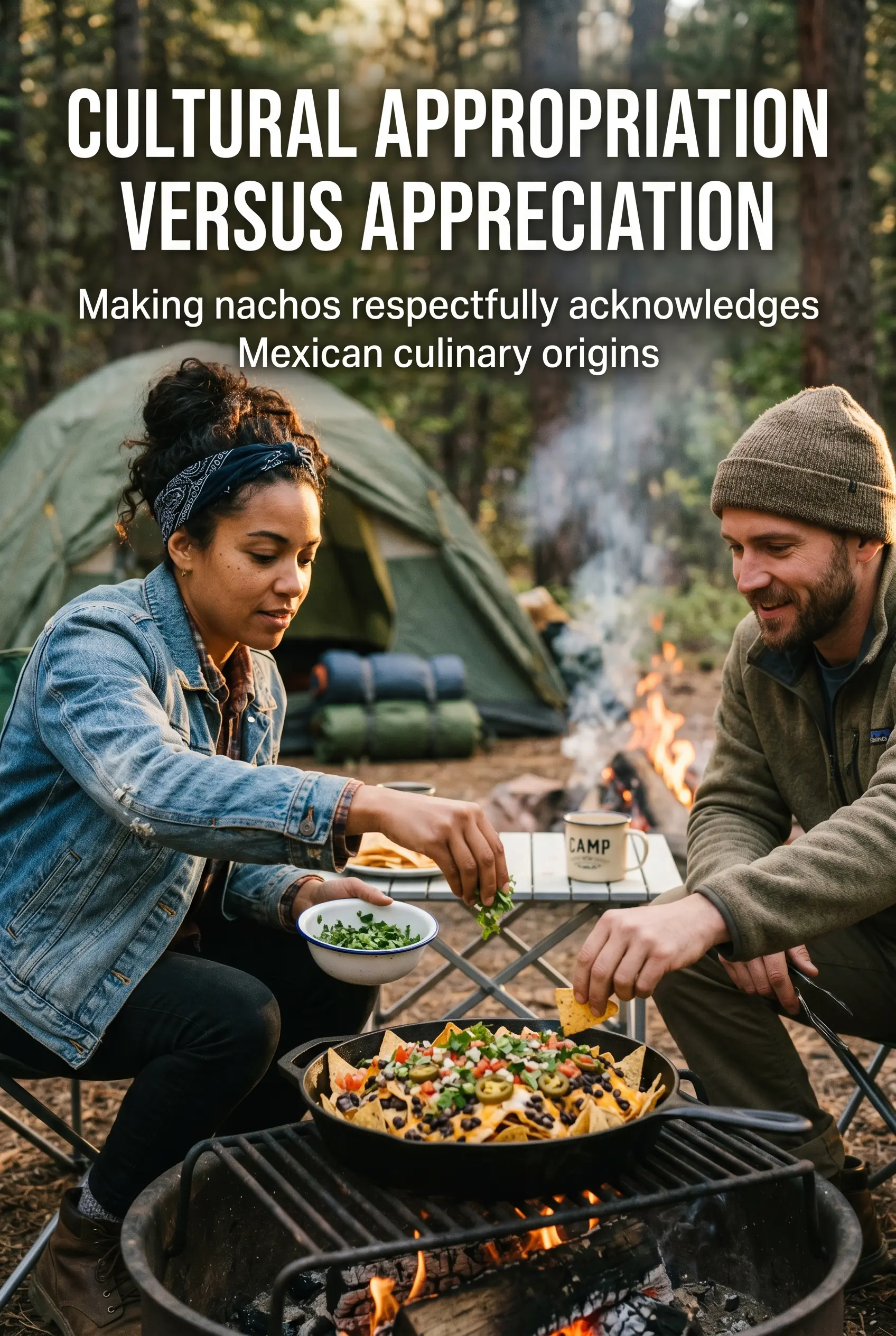
Campfire Nachos Supreme
Ingredients
Equipment
Method
- Layer half the tortilla chips in a large cast iron skillet or aluminum pan so they form an even base with a bit of height.
- Top with half the cooked ground beef, black beans, corn, and the shredded Mexican cheese blend to ensure the cheese reaches the chips.
- Add remaining tortilla chips and repeat the layers with the remaining beef, beans, corn, and cheese so the center and edges are covered.
- Place the skillet on a campfire grate over medium heat for 12-15 minutes until the cheese melts and looks bubbly, with a few browned spots at the edges for a skillet effect.
- Remove from heat and immediately top with diced tomatoes and sliced jalapeño so they stay bright and crisp.
- Add sour cream, then spoon over guacamole for creamy contrast against the melted cheese.
- Sprinkle chopped cilantro over the top to finish, then serve immediately with lime wedges for squeezing at the table.