Campfire popcorn in a can turns a basic snack into something that feels a little bit like magic. The kernels pop right inside the metal can, so you get that fresh, toasty popcorn smell drifting through the campsite while the flames do their work. It’s fast, fun to watch, and the finished popcorn comes out with a light smoky edge that stovetop popcorn just can’t copy.
The trick is keeping the can moving. Constant shaking keeps the kernels from scorching on one side and helps the heat stay even enough for clean popping. The small holes in the bottom matter too because they let steam escape instead of trapping moisture, which keeps the popcorn crisp instead of chewy. A little oil coats the kernels just enough to help them heat evenly, and salt or melted butter can wait until the end so the popcorn stays light.
Below, I’ve included the one part that matters most when you’re cooking over a fire, plus a few smart swaps if you’re camping without your usual gear. If you’ve ever wanted a snack that feels as hands-on as the fire itself, this is the one to make.
The popcorn popped evenly once I kept the can moving, and the bottom never burned. We made two batches because the kids kept asking for more.
Campfire popcorn in a can is the kind of snack that makes the whole campsite gather around the fire.
The Reason the Kernels Need to Keep Moving
Popcorn over an open flame fails for the same reason popcorn on a hot pan fails: one side gets blasted while the rest of the kernels are still trying to catch up. A coffee can gives you a contained space, but it also traps heat, so shaking is what keeps the whole batch from turning into a scorched layer at the bottom and half-popped kernels on top.
The other thing that matters here is steam. When popcorn pops, moisture escapes fast, and if that moisture has nowhere to go, the popcorn softens as it sits. That’s why the vent holes in the bottom matter. They don’t just sound clever — they help the popcorn stay snappy and keep the inside of the can from turning damp.
What the Oil, the Can, and the Vent Holes Each Do
- Popcorn kernels — Fresh kernels matter more than people think. Old popcorn dries out and leaves you with more duds at the bottom of the can. If yours has been sitting in the pantry for years, it’ll still work, but the pop rate drops and the texture gets less crisp.
- Vegetable oil — This gives the kernels enough fat to heat evenly and pop without sticking. Any neutral oil works here, including canola or avocado oil, as long as it can handle campfire heat without turning smoky too early.
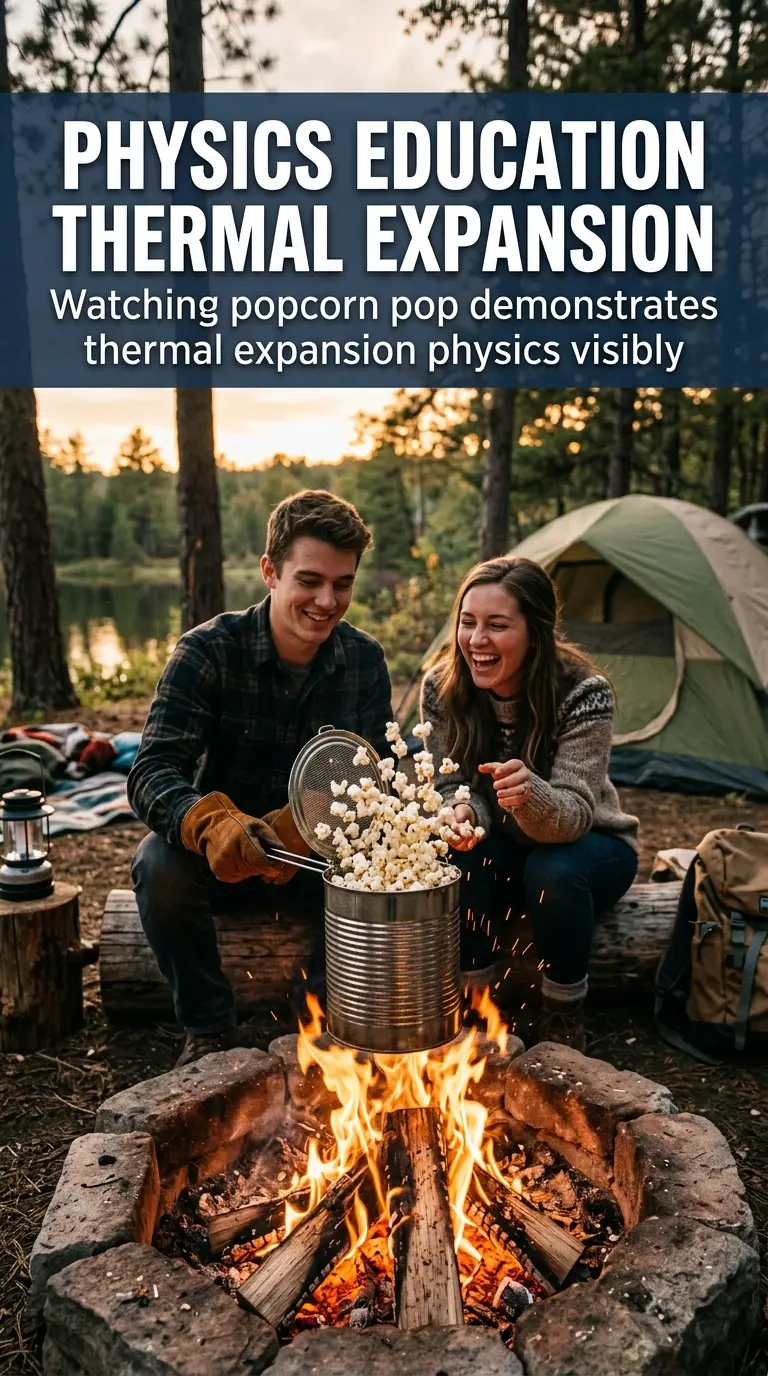
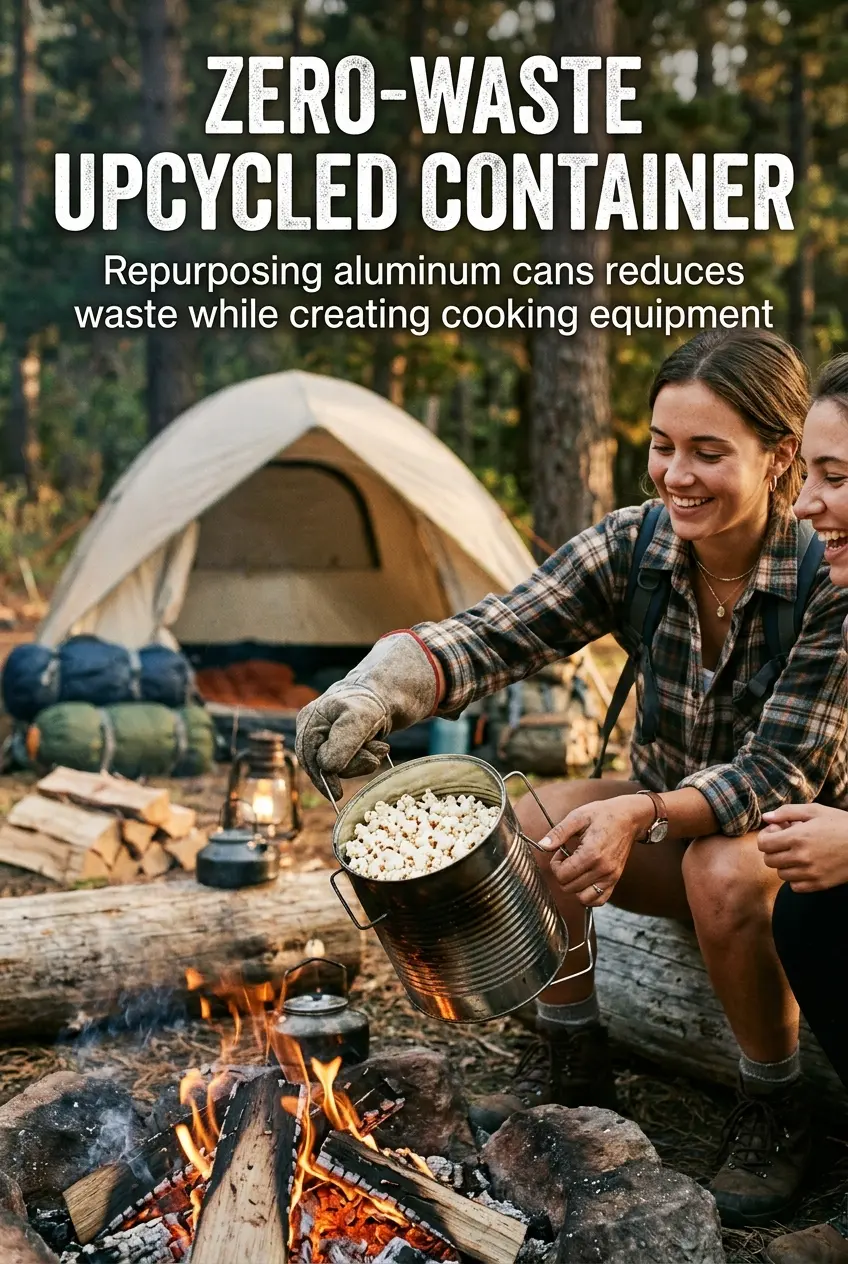
- Large metal coffee can — This is the structure of the whole recipe. It needs to be metal, not plastic-lined, and it needs a lid that stays on securely while you shake. A smaller can crowds the kernels and makes scorching more likely.
- Coat hanger or sturdy wire — The wire handle keeps your hands out of the heat and lets you swing the can safely over the fire. Thin wire can bend when the can gets hot, so use something stiff enough to hold its shape.
How to Keep It Popping Without Burning
Vent the Can Before Anything Else
Punch several small holes in the bottom before you add the kernels. Those holes need to be small enough that the popcorn doesn’t escape, but open enough to let steam out while the can heats. If you skip this part, the popcorn tends to turn rubbery instead of crisp, especially near the end of popping.
Shake Like You Mean It
Once the kernels and oil are in and the lid is secured, hold the can over the fire and keep it moving. The popping will start slowly, then quicken, then taper off; that middle stretch is where the batch needs your attention. Don’t park the can over one hot spot or the bottom will scorch before the top kernels get a chance.
Stop at the Right Moment
When the popping slows to a few seconds between pops, pull the can away from the fire right away. Waiting for every last kernel usually means burning the popcorn that’s already done. Open the lid carefully, because the can will be hot and any trapped steam comes out fast.
Season After the Pour
Dump the popcorn into a bowl before adding salt or melted butter. If you season inside the can, you’ll leave the best bits behind stuck to the sides. A light drizzle of melted butter clings better once the popcorn is in the bowl, and the salt sticks more evenly when the popcorn is still warm.
Three Ways to Use What You Have at Camp
Dairy-Free Campfire Popcorn
Leave out the butter and finish with salt only, or add a little extra oil after popping if you want a richer coating. The popcorn stays light and crisp, and you still get full campfire flavor without the dairy.
Smokier, More Savory Popcorn
Add a pinch of garlic powder, smoked paprika, or ranch-style seasoning after the popcorn comes out of the can. Seasoning after popping keeps the spices from scorching and gives the finished snack a stronger, cleaner flavor.
When You Don’t Have a Coffee Can
A metal pie pan or other sturdy lidded metal container can work in a pinch if it’s safe to hold over the fire and easy to shake. The important part is that it’s metal, vented, and roomy enough for the kernels to move as they pop.
Storage and Reheating
- Refrigerator: Store leftovers in an airtight container for up to 2 days. The popcorn will soften a little as it sits.
- Freezer: It doesn’t freeze well. Popcorn loses its texture once frozen and thawed, so this is best made and eaten the same day.
- Reheating: Spread it on a dry baking sheet and warm it in a low oven for a few minutes to dry it out slightly. Don’t use the microwave, which turns the popcorn chewy fast.
Questions I Get Asked About This Recipe
Campfire Popcorn in a Can
Ingredients
Equipment
Method
- Punch several small holes in the bottom of the large metal coffee can with lid for ventilation, keeping the holes small so kernels don’t fall through. Look for even spacing so steam can escape while popping happens.
- Add popcorn kernels and vegetable oil to the can, then secure the lid tightly to keep heat contained. Swirl gently so kernels are coated with oil.
- Create a handle by wrapping coat hanger or sturdy wire around the can so you can hold it steadily over the fire. Test the grip by lifting the can a few inches off the ground to ensure it’s secure.
- Hold the can over campfire flames and shake constantly for 8-10 minutes until popping slows. Keep the can moving so kernels don’t burn and watch for the hero moment: kernels popping inside the can over the flames.
- Carefully remove the lid and pour popcorn into a bowl, letting steam escape away from your face. Pour immediately so the popcorn stays crisp.
- Season with salt to taste and butter, melted (optional) if desired, then toss briefly to distribute. Add butter while warm so it melts and clings to kernels.