Cheesy baked spaghetti settles into the kind of campfire dinner people actually hover over with a spoon in hand. The pasta stays tender, the sauce turns rich and meaty, and the top bakes into a golden, bubbly layer that scoops out in hearty, smoky-tasting portions. It’s the sort of meal that works just as well for a campsite crowd as it does for a backyard fire pit night.
The trick is keeping the pasta slightly firm before it goes into the Dutch oven, because it finishes cooking in the sauce while the cheese melts on top. Mixing in some of the mozzarella before baking gives you that stretchy, tucked-in cheesiness all the way through instead of just on the surface. The Parmesan adds a salty edge that keeps the whole pan from tasting flat, especially after the heat of the coals does its work.
Below, I’ve included the part that matters most with this kind of recipe: how to keep the bottom from scorching before the center heats through, plus a few smart ways to adapt it when you’re cooking for a bigger crew or swapping ingredients from the pantry.
The cheese melted all the way through and the bottom didn’t scorch, which never happens when I try Dutch oven pasta over coals. Everyone went back for seconds, and the leftovers were just as good the next day.
Save this Campfire Spaghetti Bake for the nights when you want a bubbling Dutch oven pasta with almost no fuss.
Why the Coals Matter More Than the Clock
A Dutch oven pasta bake lives or dies by heat control. Too much heat under the pot and the spaghetti on the bottom goes dry before the cheese on top has time to melt. The goal is a steady, moderate bed of coals with some on the lid, so the dish heats from both directions and finishes evenly.
That lid heat is the part a lot of people skip, and it’s why they end up with hot edges and a cool center. When coals sit on top, the cheese browns gently and the sauce bubbles through the middle instead of trapping all the heat below. You’re aiming for melted, loosened cheese and a sauce that looks thick and active around the edges.
- Bottom heat should be steady, not aggressive. If the base is smoking hard, pull some coals away.
- Lid coals help the top melt before the bottom dries out.
- Rest time matters because the pasta finishes absorbing sauce as it sits.
What Each Ingredient Is Actually Doing in This Bake
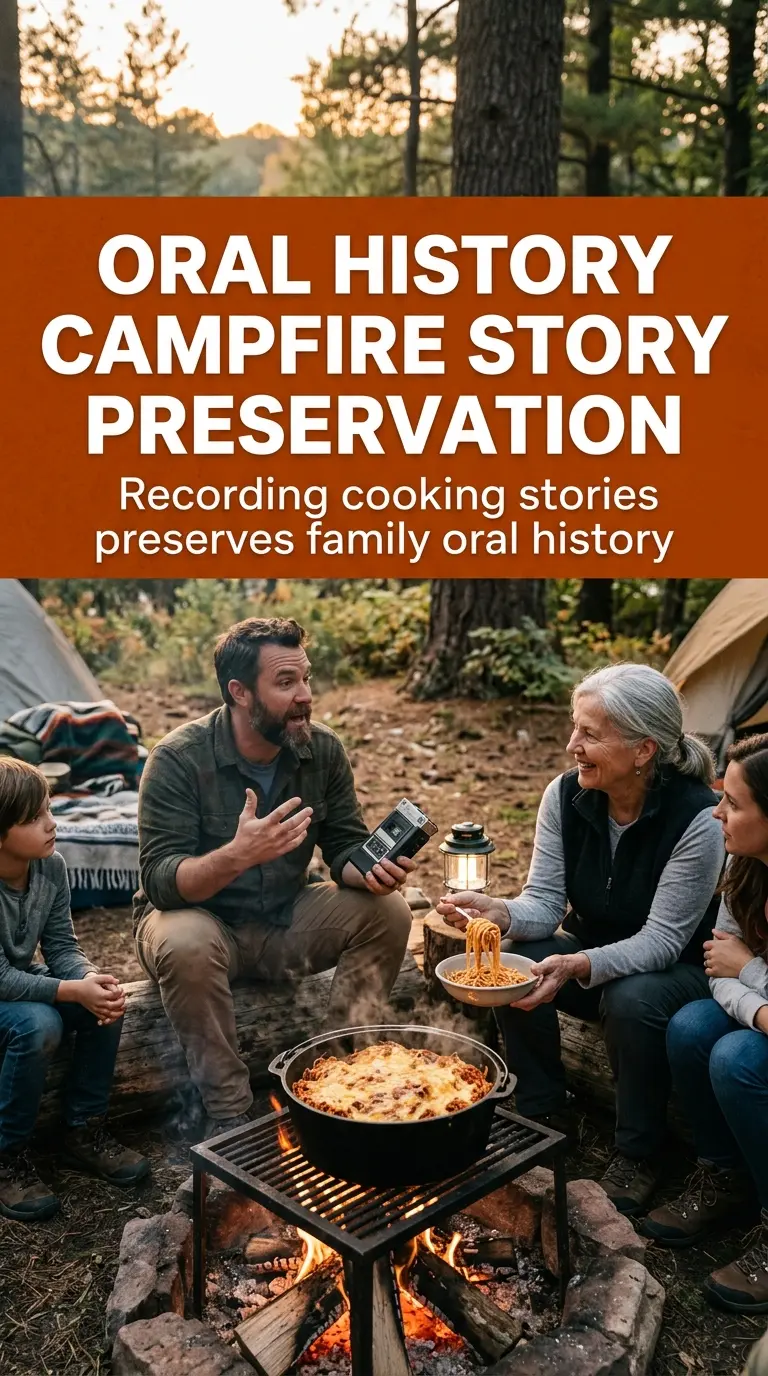
- Ground beef gives the bake its backbone and keeps it filling enough for a camping main dish. Brown it well so you get a deeper, meatier flavor instead of pale steamed crumbles.
- Spaghetti sauce carries the whole dish, so use one you’d actually eat on its own. A thicker sauce works best because it clings to the pasta instead of pooling in the bottom of the Dutch oven.
- Spaghetti should be cooked just to al dente. If it’s fully soft before it goes in, it will turn mushy after the bake.
- Mozzarella gives you that stretchy, melted top and helps bind the pasta in the middle. Shredding your own melts a little cleaner, but bagged cheese works fine for camping.
- Parmesan adds salt and a sharper finish that keeps the dish from tasting one-note. The pre-grated kind is fine here.
- Italian seasoning and garlic powder round out jarred sauce fast. They won’t replace a homemade sauce, but they do wake up the jarred version in a way that tastes intentional.
Building the Bake So the Bottom Doesn’t Burn
Start with a fully mixed filling
Combine the cooked spaghetti, beef, sauce, half the mozzarella, Italian seasoning, and garlic powder until every strand is coated. If the pasta looks dry in spots, it won’t soften evenly in the Dutch oven. You want a glossy, loose mixture that spreads easily but doesn’t look soupy.
Pack the Dutch oven without pressing it down
Spray the pot, then spoon in the pasta mixture and level it gently. Don’t mash it into the corners, because tightly packed pasta traps heat at the bottom and makes scorching more likely. A light, even layer cooks more evenly than a compressed one.
Finish under coals until the top is bubbling
Top with the remaining mozzarella and Parmesan, then cover the oven and set coals on the lid. Cook until the cheese is fully melted, bubbling at the edges, and starting to turn golden in spots. If the top melts before the center is hot, your bottom heat is too strong; move a few coals away and give it a few more minutes.
Let it rest before serving
Give the bake about 5 minutes off the heat. That short rest helps the sauce settle so the first scoop holds together instead of sliding into a puddle. It also keeps the cheese from stretching into a mess the second you try to serve it.
How to Adapt This When the Cooler or Pantry Runs Low
Make it sausage-based instead of beef
Swap the ground beef for Italian sausage if you want a richer, more seasoned bake. Mild sausage keeps it familiar, while hot sausage adds a little kick and cuts through the cheese. Drain the fat well so the sauce doesn’t turn greasy in the Dutch oven.
Use gluten-free pasta without losing the bake
Gluten-free spaghetti works, but it needs to stay a touch firmer than usual before mixing. It softens faster in the sauce, so pull it from the boiling water when it still has a definite bite. That keeps the final texture from turning soft and pasty after the bake.
Make it vegetarian
Leave out the beef and add sautéed mushrooms, bell peppers, or zucchini for a meatless version that still feels hearty. You’ll lose some savory depth, so use a thicker sauce and a little extra Parmesan to keep the flavor bold. This works best when the vegetables are cooked down first so they don’t leak water into the pasta.
Storage and Reheating
- Refrigerator: Store leftovers in a covered container for up to 4 days. The pasta will absorb more sauce as it sits, so it gets a little firmer.
- Freezer: This freezes well in portions. Cool completely, wrap tightly, and freeze for up to 2 months; thaw overnight before reheating.
- Reheating: Warm covered in a 325°F oven or in the microwave with a splash of water or extra sauce. The common mistake is reheating it dry, which makes the pasta tough and the cheese rubbery.
Answers to the Questions Worth Asking
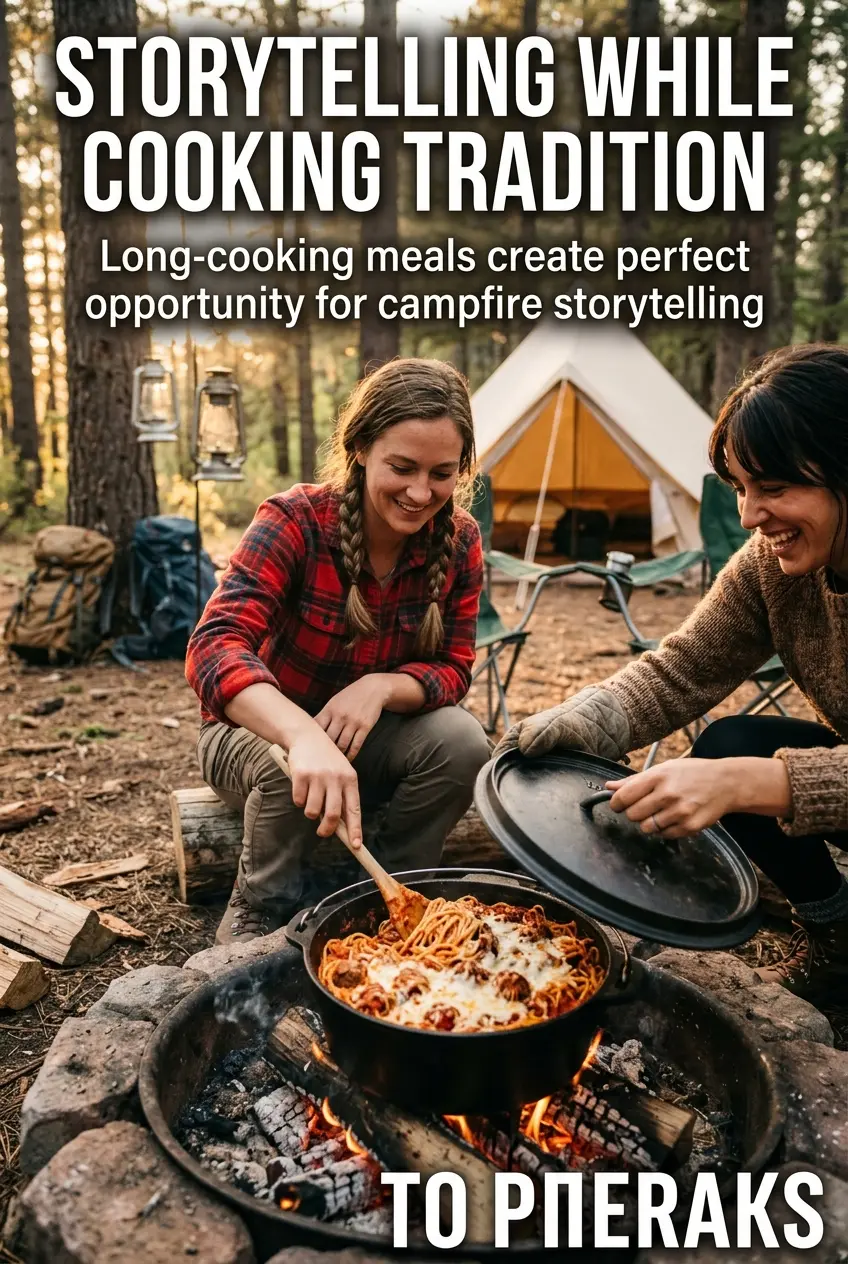
Campfire Spaghetti Bake
Ingredients
Equipment
Method
- Brown the ground beef in a skillet over the campfire until cooked through, then drain excess fat. Visual cue: it should look browned with no pink spots.
- In a mixing bowl, combine the cooked spaghetti, beef, spaghetti sauce, 1 cup of mozzarella, Italian seasoning, and garlic powder. Visual cue: the spaghetti should be evenly coated with red sauce.
- Spray the Dutch oven with cooking spray, then add the spaghetti mixture and spread it into an even layer. Visual cue: the surface should be flat for even melting.
- Top with the remaining mozzarella and the Parmesan. Visual cue: the top should look white-golden and mound slightly at the edges.
- Cover the Dutch oven and place it on campfire coals, with additional coals on top of the lid. Cook for 30-35 minutes until the cheese is melted and bubbly, and the edges look lightly browned.
- Let the bake cool for 5 minutes before serving. Visual cue: the bubbling should subside slightly and the top should hold its shape.