Bright, cold, and full of contrast, caprese pasta salad hits the table with the kind of balance that keeps people going back for a second scoop. The pasta gives it substance, the tomatoes bring juice and sweetness, the mozzarella softens everything, and the basil cuts through with a fresh, peppery edge. A good balsamic vinaigrette ties the whole bowl together without turning it heavy.
The details matter here. Rinsing the pasta under cold water stops the cooking fast and keeps the salad from getting gummy, and letting it chill for at least an hour gives the garlic and balsamic time to settle in. I like using rotini or farfalle because the shapes catch the dressing in all the right places, but the real key is gentle tossing so the mozzarella stays intact and the basil doesn’t bruise into the dressing.
Below, I’m walking through the exact ingredients that matter most, the part of the process that keeps the salad fresh instead of soggy, and a few smart variations for making it fit what you’ve got on hand.
The dressing soaked into the pasta just enough after an hour in the fridge, and the basil stayed bright instead of turning brown. I brought it to a cookout and there wasn’t a spoonful left.
Save this Caprese Pasta Salad for the next potluck when you want something cold, colorful, and sturdy enough to sit on the table without going limp.
The Trick to Keeping Caprese Pasta Salad Fresh Instead of Watery
The biggest mistake with caprese pasta salad is treating it like a regular pasta salad and letting the tomatoes, dressing, and warm noodles sit together too long before the pasta has cooled. That traps heat and moisture, which is how you end up with a bowl that tastes flat and turns soupy by the time it reaches the table. Cooling the pasta under cold water and draining it well gives you a clean base instead of a sticky one.
The other thing that matters is restraint. Balsamic glaze goes on at the end for a reason; if you add it too early, it can disappear into the dressing and darken the whole bowl. Fresh basil also belongs late, because bruised leaves lose their color and smell muddy instead of bright.
What Each Ingredient Is Actually Doing In This Bowl
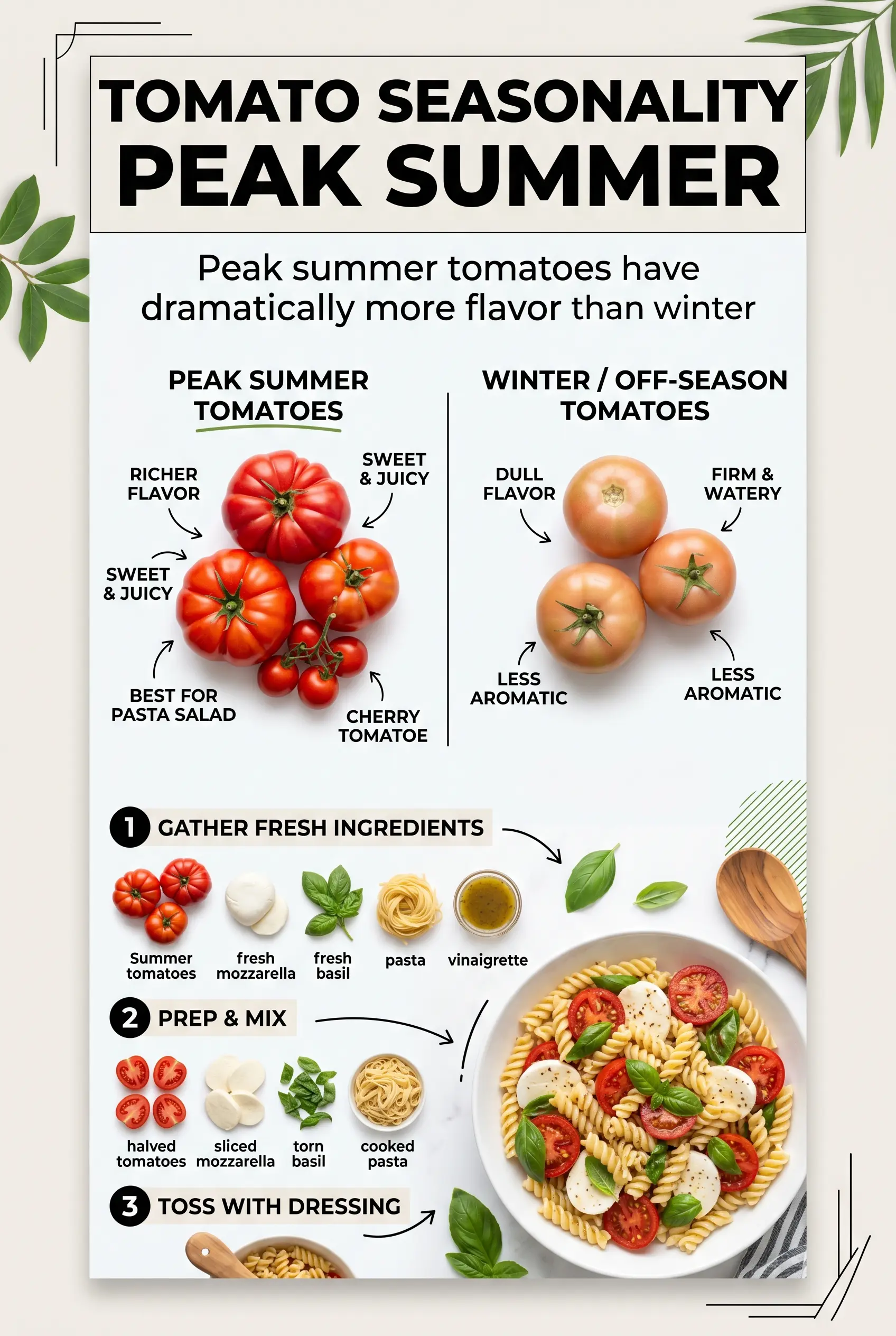
- Pasta — Rotini and farfalle both hold onto the dressing and tuck the tomatoes and mozzarella into their folds. Long, smooth pasta works, but the salad won’t cling to it the same way. Cook it just to al dente, because overcooked pasta softens again after chilling.
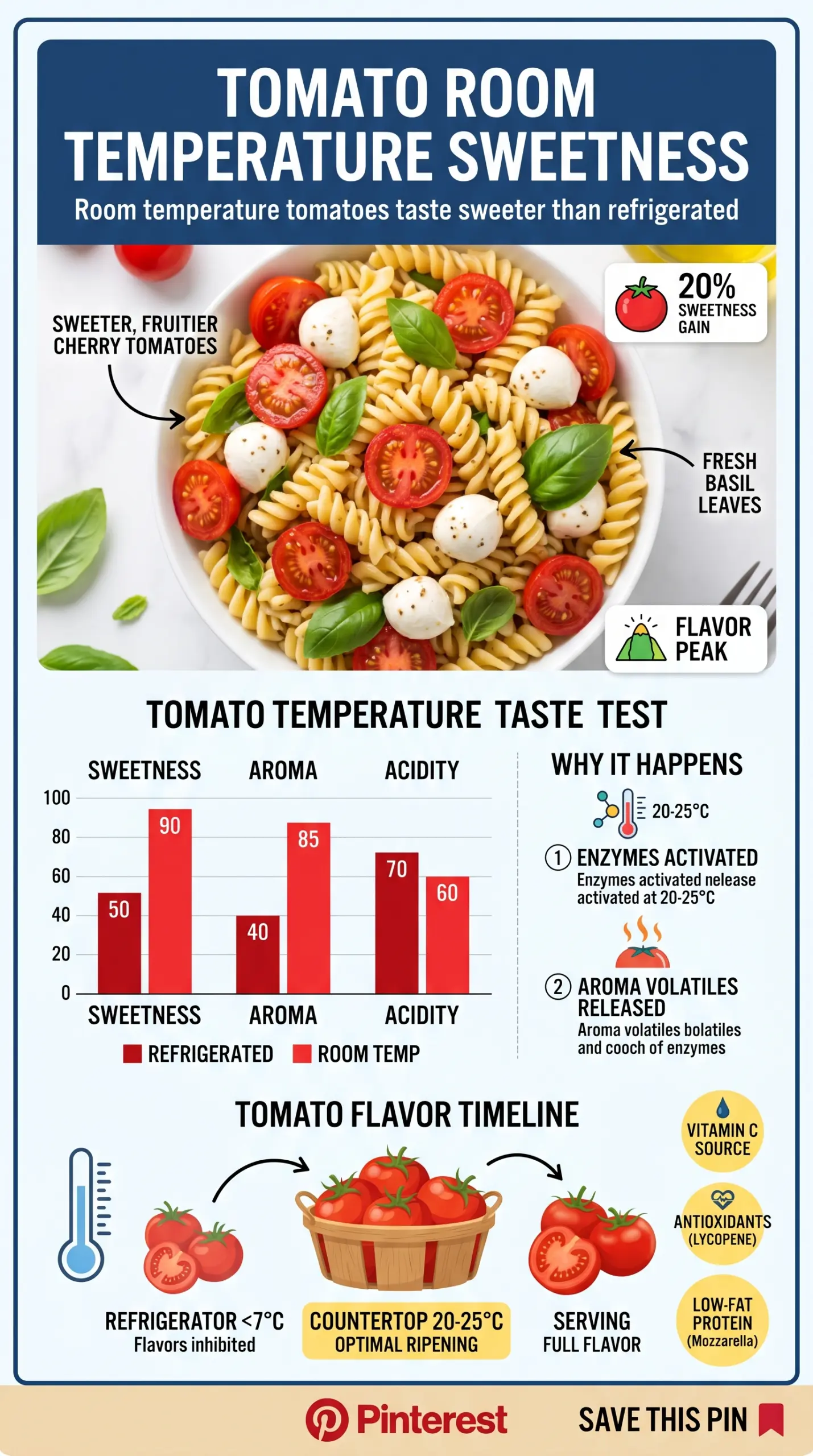
- Cherry tomatoes — These give you the sweet, juicy bite that makes the salad taste like caprese instead of plain pasta salad. Halving them helps their juices season the bowl without flooding it. Grape tomatoes work too if that’s what you have.
- Fresh mozzarella balls — Ciliegine stay tender and milky, which is exactly what balances the acidity in the balsamic dressing. Block mozzarella cut into small cubes can work in a pinch, but it won’t feel quite as soft or elegant. Drain the cheese well so extra liquid doesn’t thin the dressing.
- Fresh basil — Basil needs to be torn, not chopped to dust, so it stays fragrant and shows up in the bowl. If you slice it too finely, it can blacken faster and disappear into the dressing. Add it after the pasta has cooled.
- Balsamic vinegar and olive oil — This is the backbone of the dressing, and neither one should be skimpy. Use a balsamic you’d actually want to taste on its own, since the flavor stays front and center here. The olive oil rounds out the sharp edges and keeps the salad from tasting thin.
- Garlic — A small amount goes a long way. Mince it fine so it disperses evenly, but don’t overdo it or the salad turns harsh after chilling. If you want a milder bite, grate it on a microplane instead of chopping.
Building the Salad So the Basil Stays Bright
Cooking and Cooling the Pasta
Cook the pasta in well-salted water until just al dente, then drain it and rinse it under cold water until it’s no longer warm. That rinse stops the cooking immediately and washes off the surface starch that can make the salad sticky. Drain it well afterward; if water pools in the bowl, the dressing gets diluted and slides off the pasta instead of coating it.
Whisking the Dressing First
Mix the olive oil, balsamic vinegar, garlic, salt, and pepper in a small bowl before anything touches the pasta. That lets the garlic disperse evenly and keeps one bite from getting all the sharpness. If the dressing tastes too punchy on its own, don’t panic — it softens after it sits with the pasta and tomatoes.
Combining Without Bruising
Add the pasta, tomatoes, mozzarella, and basil to a large bowl, then pour the dressing over the top and toss gently. Use a lifting motion instead of aggressive stirring so the mozzarella stays whole and the basil doesn’t collapse. If the bowl looks a little underdressed at first, give it a minute; the pasta will absorb some of it as it chills.
The Final Chill and Finish
Refrigerate the salad for at least an hour so the flavors meld and the pasta takes on the dressing. Right before serving, drizzle the balsamic glaze over the top in a thin ribbon. That final step adds a sweet, tangy finish and makes the bowl look as fresh as it tastes.
How to Adjust This Caprese Pasta Salad for Different Crowds
Make It Gluten-Free
Use a gluten-free rotini or fusilli that holds its shape after chilling. Some gluten-free pastas get fragile once they sit in dressing, so cook it just until tender and rinse it well before mixing. The rest of the ingredients stay the same, and the salad still tastes bright and balanced.
Make It Dairy-Free
Swap the mozzarella for a dairy-free mozzarella-style cheese that comes in small pearls or cubes. You’ll lose a little of that milky caprese bite, but the tomatoes, basil, and balsamic still carry the bowl. Chill it the same way, and add the glaze at the end so the salad still feels finished.
Add More Protein
Toss in sliced grilled chicken, chickpeas, or salami if you want the salad to eat like a full lunch instead of a side. Chicken keeps the flavor clean, chickpeas add a little heft without changing the profile much, and salami pushes it in a saltier direction. Add protein after the pasta cools so it doesn’t dry out.
Storage and Reheating
- Refrigerator: Store for up to 3 days. The basil will darken a bit, and the pasta will absorb more dressing, so the salad tastes best on day one or two.
- Freezer: Don’t freeze it. The tomatoes, mozzarella, and basil break down after thawing, and the texture turns watery.
- Reheating: This salad is meant to be served cold. If it sits in the fridge too long and looks dry, revive it with a small drizzle of olive oil and a splash of balsamic vinegar, then toss gently.
Questions I Get Asked About This Recipe
Caprese Pasta Salad
Ingredients
Method
- Cook the pasta according to package directions, then drain and rinse with cold water to stop the cooking and keep the texture firm.
- Whisk together the olive oil, balsamic vinegar, minced garlic, salt, and pepper until the dressing looks evenly combined and glossy.
- Combine the pasta, halved cherry tomatoes, mozzarella balls, and torn basil in a large bowl.
- Pour the balsamic vinaigrette over the salad and toss gently until everything is lightly coated.
- Refrigerate for at least 1 hour so the flavors meld and the salad tastes more cohesive.
- Drizzle with balsamic glaze before serving for a visible sweet-tang finish.