Chopped fall harvest salad with chicken hits that sweet spot between fresh and substantial. Every bite gives you something different: tender chicken, crisp apple, earthy beets, creamy goat cheese, and crunchy pecans, all tied together with a maple balsamic dressing that tastes bold without bulldozing the greens. It eats like a full meal, not a side salad pretending to be dinner.
The trick is in the chop and the balance. Smaller pieces mean you get a little bit of everything in each forkful, which matters more here than in a loose, tossed salad. The dressing also needs enough sweetness to play with the beets and cranberries, but enough vinegar and Dijon to keep it from going flat. That’s what keeps the whole bowl bright instead of heavy.
Below, I’ll show you how to keep the greens from wilting, how to layer the toppings so the salad stays lively, and a few smart swaps if you need to work with what’s already in your kitchen.
The maple balsamic tied everything together, and the chopped pieces made each bite balanced instead of giving me a forkful of just greens or just chicken. Even my husband, who usually picks out the beets, went back for seconds.
Save this chopped fall harvest salad with chicken for a crisp, colorful dinner with maple balsamic dressing and all the best autumn textures.
The Chopped Salad Trick That Keeps Every Bite Balanced
A chopped salad lives or dies by how evenly it’s cut. If the greens stay in big ribbons while the chicken is sliced thin and the apples are diced small, every forkful turns lopsided and the good stuff sinks to the bottom. Cutting the greens, chicken, apple, and even the onion into bite-size pieces changes the whole salad from a pile of toppings into one composed dish.
The other thing that matters here is moisture control. Beets, apples, and dressing all bring juice to the bowl, so the greens need to be dry and the chicken needs to cool slightly before it goes in. Hot chicken will wilt the greens and smear the goat cheese before you ever get to the table. That’s the kind of small miss that makes a salad feel tired fast.
- Chopped greens — Kale or sturdy mixed greens hold up best once the dressing hits. If you use kale, massage it lightly with a pinch of salt first so it softens instead of eating leathery.
- Roasted beets — Their earthy sweetness anchors the whole bowl. Store-bought cooked beets work fine here; just cube them well and blot off excess moisture so they don’t tint everything pink immediately.
- Chicken — Grilled or roasted chicken both work, but seasoning it before cooking matters. Italian herbs give the salad a savory backbone that keeps the fruit and maple from taking over.
- Maple balsamic dressing — This is the part that needs proper whisking. The Dijon helps emulsify the oil and vinegar, and if you skip that step the dressing separates fast and lands unevenly on the salad.
What Each Ingredient Is Actually Doing in This Bowl
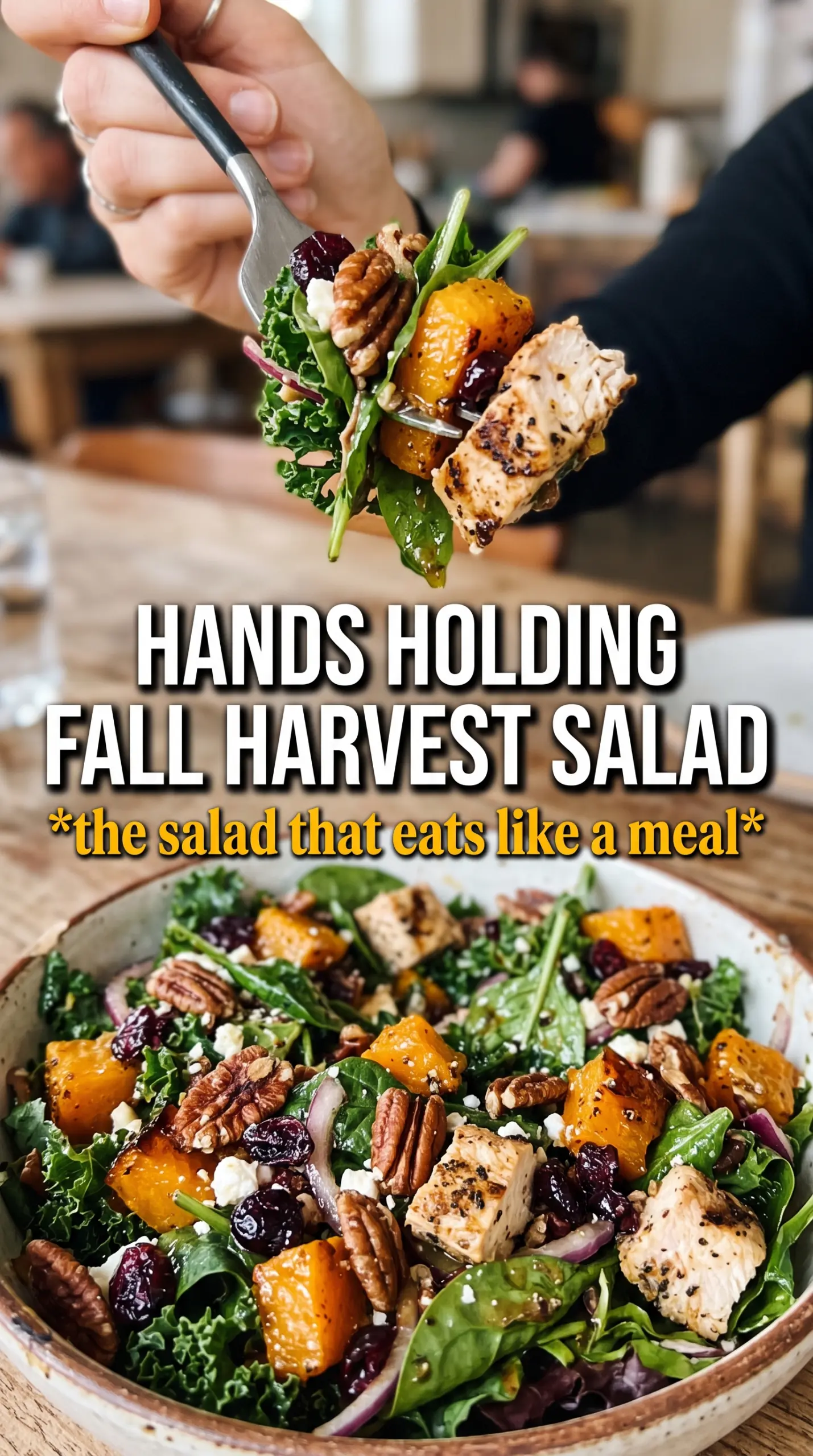
- Chicken breasts — These turn the salad into a meal. Grilled gives you more surface flavor, while roasted is easier and stays juicier if you’re cooking for the week.
- Apple — A crisp, tart-sweet apple keeps the salad from leaning too soft or too earthy. Honeycrisp, Fuji, or Pink Lady all work; avoid apples that turn mealy fast.
- Goat cheese — This adds tang and creaminess, which matters because the salad has a lot of sweet and sharp notes already. Feta can step in if that’s what you have, but it will taste saltier and less mellow.
- Candied pecans — They bring crunch and a little extra sweetness. If yours are homemade, let them cool completely before adding them or they’ll melt the cheese and soften the greens.
- Red onion — A thin slice gives the salad a clean bite. If raw onion usually overwhelms you, soak the slices in cold water for 10 minutes and drain well before using.
Assembling the Salad So It Stays Crisp
Cooking and Cooling the Chicken
Season the chicken with salt, pepper, and Italian herbs before grilling or roasting so the flavor goes all the way through, not just on the surface. Cook it until the juices run clear and the center is no longer pink, then let it rest before slicing. That rest matters because it keeps the slices juicy instead of letting all the moisture spill onto the cutting board. Slice it once it’s cool enough to handle cleanly, not while it’s still steaming.
Whisking the Dressing Until It Holds
Put the olive oil, balsamic, maple syrup, Dijon, salt, and pepper in a small bowl or jar and whisk until it looks glossy and slightly thickened. Dijon is doing more than flavor here; it helps the oil and vinegar stay together long enough to coat the salad properly. If you pour the dressing in without emulsifying it, the first bites taste sharp and oily while the last bites taste sweet and flat. A good dressing should cling lightly to the spoon.
Building the Bowl in the Right Order
Start with the greens, then layer on the chicken, apple, beets, cranberries, pecans, goat cheese, and red onion. That order keeps the heavier ingredients from crushing the leaves before you toss. Add the dressing just before serving and toss lightly, only enough to coat. If you overmix, the goat cheese breaks down and the salad turns muddy instead of fresh.
Swap the Goat Cheese for Something Milder
If you want less tang, use crumbled feta or shaved Parmesan instead. Feta keeps the salty-creamy contrast, while Parmesan adds a sharper, nuttier note and won’t melt into the salad as quickly. Either swap changes the balance a little, but the salad still holds together.
Make It Dairy-Free
Skip the goat cheese and add a little extra crunch, either with more pecans or a handful of pumpkin seeds. You lose the creamy tang, so the dressing carries more of the flavor load, but the salad still tastes complete if the seasoning on the chicken is solid.
Use Greens That Need a Little More Attention
Kale works especially well if you’re making the salad ahead. Massage it with a few drops of dressing or olive oil first so it softens, then add the rest of the toppings later. That extra step keeps it from tasting tough after it sits.
Storage and Reheating
- Refrigerator: Store the components separately for up to 3 days. Once dressed, the salad softens fast, especially if you used mixed greens instead of kale.
- Freezer: Don’t freeze the assembled salad. The apples, greens, and goat cheese won’t thaw well, though cooked chicken can be frozen on its own if needed.
- Reheating: Warm only the chicken if you want it heated, then let it cool slightly before adding it back to the salad. Putting hot chicken straight onto the greens is the quickest way to wilt everything.
Questions I Get Asked About This Salad
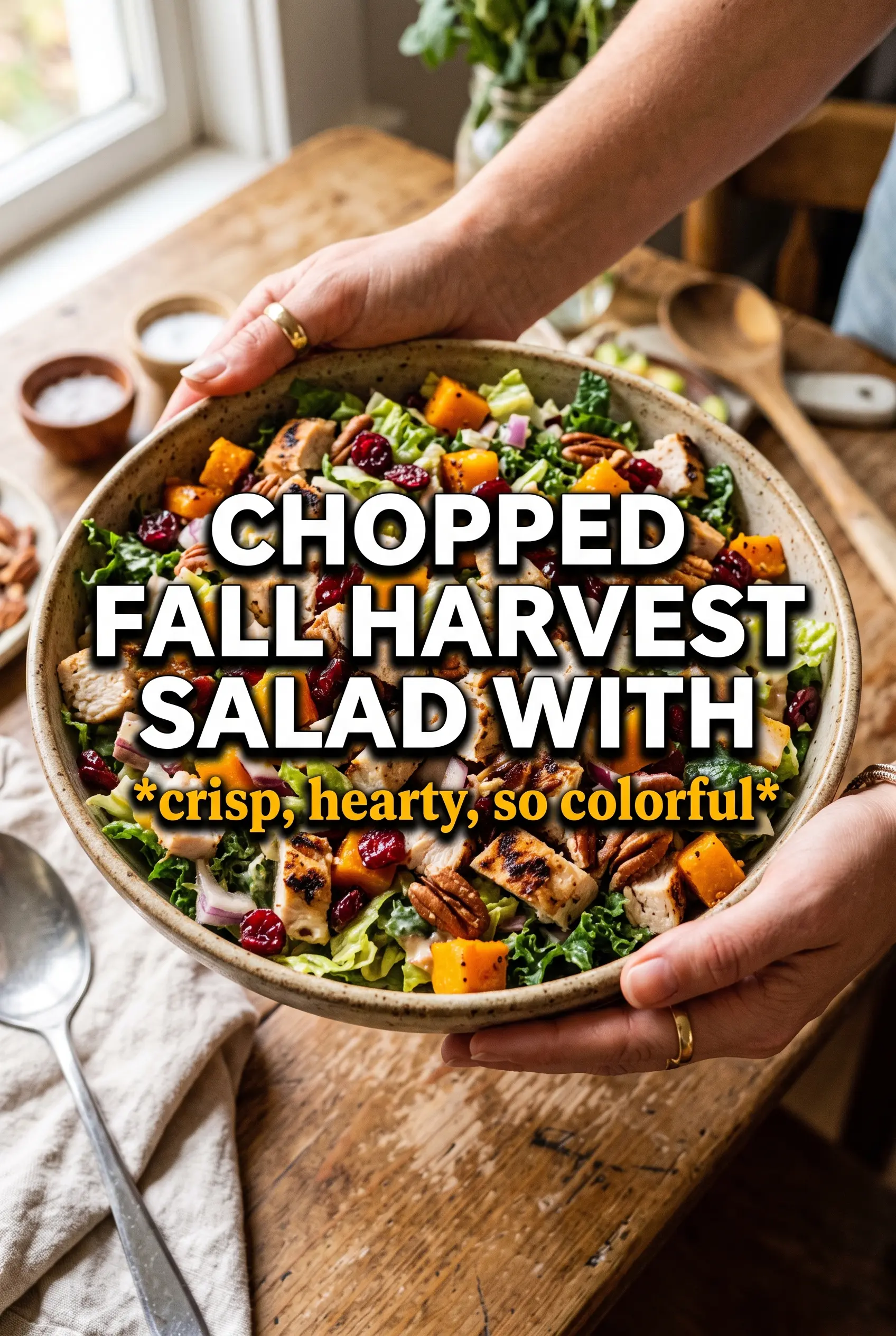
Chopped Fall Harvest Salad With Chicken
Ingredients
Equipment
Method
- Preheat oven to 425°F (or heat a grill/cast iron skillet over medium-high). Season chicken breasts with salt, black pepper, and Italian herbs, roast or grill until cooked through, 18–25 minutes depending on thickness, then slice and cool slightly with visible steam mostly gone.
- Whisk olive oil, balsamic vinegar, maple syrup, Dijon, and salt and black pepper until emulsified, about 30–60 seconds, until the mixture looks glossy and uniform.
- Arrange chopped mixed greens or kale in a large bowl, then top evenly with sliced chicken, diced apple, cubed roasted beets, dried cranberries, candied pecans, crumbled goat cheese, and thinly sliced red onion.
- Drizzle maple balsamic dressing just before serving, then toss lightly so greens look lightly coated and the toppings stay intact with a shiny sheen on the salad.


