Soft, spiced cinnamon apple cake with tender layers and a thick swipe of cinnamon cream cheese frosting is the kind of dessert people remember after the plates are cleared. The crumb stays plush instead of dense, the apples bake into little pockets of sweetness, and the frosting has enough tang to keep every bite from feeling heavy. It slices neatly, looks bakery-worthy on a stand, and still tastes like something made in a real kitchen.
What makes this version work is the balance. Brown sugar brings depth, sour cream keeps the crumb moist, and the apple pieces are diced small enough to disappear into the cake instead of sinking or turning the batter wet. The spice blend is warm without overpowering the fruit, which matters when the frosting already brings its own cinnamon kick.
Below, I’ve included the one thing that keeps the cake from turning gummy in the center, plus a few practical swaps if your apples are extra juicy or you want to bake it ahead.
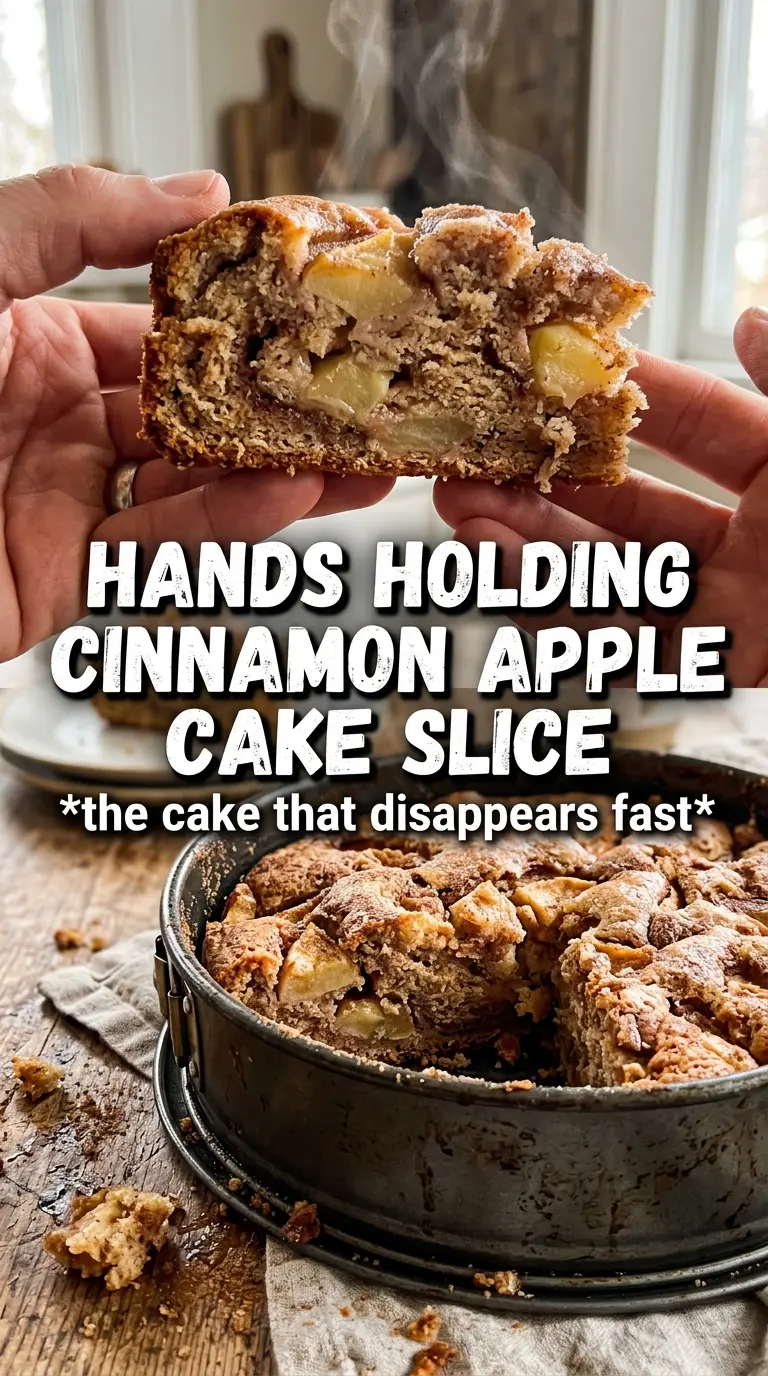
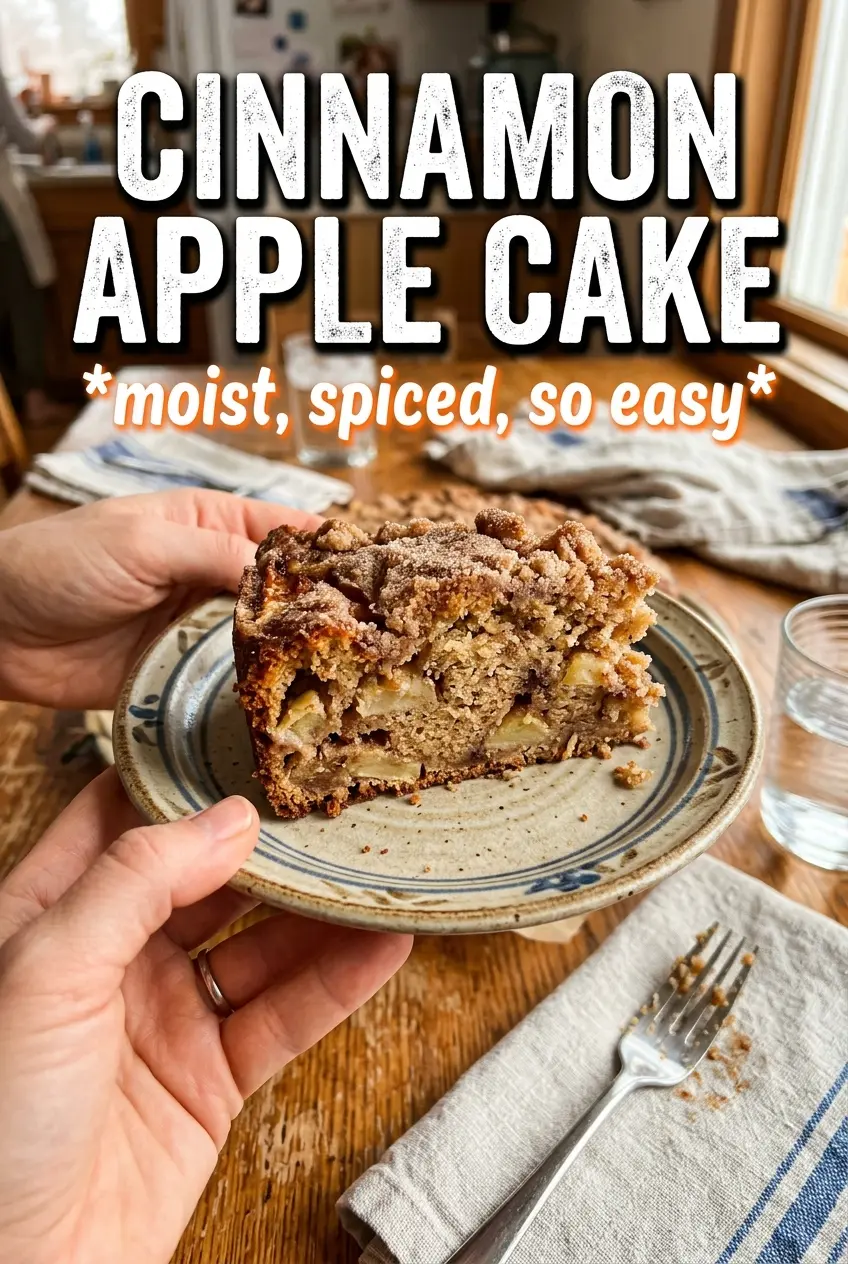
The cake layers baked up so soft and even, and the diced apples stayed tucked into the crumb instead of sinking. The cinnamon frosting was the perfect finish — my slice held together beautifully, but still tasted moist the next day.
Save this cinnamon apple cake for the next time you want soft apple layers, warm spice, and a tangy cinnamon cream cheese frosting.
The Trick to Keeping the Apple Pieces in the Crumb, Not the Bottom of the Pan
Most apple cakes go wrong in one of two ways: the batter gets too wet, or the fruit sinks and leaves the top dry. Finely diced apples solve part of that problem, but the real fix is the batter itself. It needs to be thick enough to hold the fruit, which is why the butter and brown sugar get beaten until fluffy before anything else goes in. That step builds structure and gives the cake a lighter texture.
The other thing that matters is how you add the dry ingredients and sour cream. Alternate them instead of dumping everything in at once. That keeps the batter smooth and prevents overmixing, which is what turns a cake like this tight or gummy. If your apples are especially juicy, dice them small and pat them dry before folding them in. You want apple flavor woven through every slice, not pockets of excess moisture.
What Each Ingredient Is Doing in This Cake
- All-purpose flour — This gives the cake its structure without making it heavy. Cake flour would make it softer, but it can’t hold the diced apples as well.
- Brown sugar — The molasses in brown sugar adds depth and keeps the crumb moist. White sugar will work in a pinch, but the cake loses that warm caramel note.
- Sour cream — This is what keeps the cake plush and tender. Plain Greek yogurt can stand in if needed, but use full-fat yogurt and expect a slightly tangier edge.
- Diced apples — Keep them peeled and finely diced so they soften evenly and stay suspended in the batter. Larger chunks can create uneven pockets and make slicing messy.
- Cream cheese frosting — The tangy frosting balances the spice and sweetness. It also spreads more cleanly than a pure buttercream, which matters on a layer cake.
- Cinnamon, nutmeg, and allspice — Cinnamon does the heavy lifting, while nutmeg and allspice fill in the background so the cake tastes rounded, not flat.
Building the Batter and Frosting the Layers Without Losing the Texture
Whipping the Butter and Sugar First
Beat the softened butter and brown sugar until the mixture looks pale, fluffy, and a little aerated around the edges of the bowl. That step traps air, which helps the cake rise and keeps the crumb from feeling dense. Add the eggs one at a time so the batter stays smooth; if you rush this part, the mixture can look curdled before it comes together again. Stir in the vanilla once the eggs are fully absorbed.
Alternating the Dry Mix and Sour Cream
Add the flour mixture in three additions, alternating with the sour cream. Start and end with the dry ingredients so the batter thickens gradually and doesn’t look split. Stop mixing as soon as the last streaks of flour disappear. Overmixing at this stage is the fastest way to get a tough cake, especially once the apples go in.
Folding in the Apples and Baking Evenly
Fold the diced apples in gently with a spatula, then divide the batter between the pans right away. A long pause can let the fruit release moisture and sink. Bake until the tops spring back lightly and a toothpick comes out clean or with a few dry crumbs, not wet batter. If the centers still look wet but the edges are browning, give the pans a few more minutes and rotate them once for even baking.
Cooling Before the Frosting Goes On
Let the cakes cool completely before you even think about frosting them. Warm layers will melt the cream cheese frosting and slide around on the plate. Beat the frosting until it looks light and spreadable, then stack and coat the cake. If it feels too loose, chill it for a few minutes and stir again instead of adding more powdered sugar right away.
How to Adapt This Cake for Different Kitchens and Schedules
Make it dairy-free
Use a plant-based butter for the cake and a dairy-free yogurt in place of sour cream. For the frosting, use a dairy-free cream cheese and a sturdy vegan butter. The cake will still be moist and spiced, but the frosting will set a little softer, so chill it before slicing.
Use apples with more tartness
Granny Smith gives you a brighter, sharper bite that cuts through the sweet frosting. Honeycrisp or Pink Lady bring more juice and a softer texture, so dice them small and pat them dry first. The sweeter the apple, the more the cake leans dessert-forward.
Bake as a single-layer snack cake
Spread the batter in a 9×13-inch pan and start checking for doneness a little earlier, since a thinner layer bakes faster. You’ll lose the tall layer-cake look, but you gain easier slicing and a cake that travels well. A thinner frosting layer works best here so the spice and apple stay front and center.
Storage and Reheating
- Refrigerator: Store covered for up to 4 days. The cake stays moist, and the frosting firms up a bit but still slices cleanly.
- Freezer: Freeze unfrosted layers tightly wrapped for up to 2 months. Frosting can also be frozen separately, though the texture is best when made fresh.
- Reheating: Let refrigerated slices sit at room temperature for 20 to 30 minutes before serving. If you want the cake slightly warm, warm an unfrosted slice gently for a few seconds; frosting should not go into the microwave for long or it will soften and slide.
Questions I Get Asked About This Recipe
Cinnamon Apple Cake
Ingredients
Equipment
Method
- Preheat oven to 350F and grease two 9-inch round cake pans so the layers release cleanly.
- Whisk all-purpose flour, baking powder, baking soda, cinnamon, nutmeg, allspice, and salt in a bowl until evenly combined and no streaks of spices remain.
- Beat unsalted butter and brown sugar until very fluffy, scraping the bowl as needed for a lighter texture.
- Add eggs one at a time, then mix in vanilla extract until the batter looks smooth and glossy.
- Alternate adding the flour mixture and sour cream, folding gently after each addition so the batter stays tender.
- Fold in diced apples until they are evenly distributed throughout the batter.
- Divide batter evenly between the two pans and smooth the tops for even rising.
- Bake at 350F for 50-55 minutes, until a toothpick comes out clean when inserted in the center and the edges look set.
- Cool completely before frosting so the cream cheese frosting stays thick and spreadable.
- Beat cream cheese and butter together until creamy, then mix in powdered sugar, cinnamon, and vanilla until fluffy.
- Frost between layers and all over the cake, using a spatula to swirl the top for a decorative finish.


