Zucchini lasagna holds together best when the vegetables are treated like the watery ingredient they are, not like noodles that can behave themselves on their own. This version bakes up with tidy slices, a lean turkey sauce that still tastes rich, and a ricotta layer that stays creamy instead of slipping apart. The payoff is all the comfort of lasagna with a lighter, fresher finish and none of the soggy bottom that ruins a good pan.
The trick is giving the zucchini a head start. Salting, drying, and briefly roasting the planks pulls out enough moisture to keep the final casserole structured. The turkey sauce also matters more than people think: simmering it until it thickens slightly keeps the layers from sliding, and the ricotta mixture gets a little parmesan and egg so it sets cleanly in the oven.
Below, I’ll walk through the parts that matter most: how to keep the zucchini from turning watery, why the layers should be built a certain way, and what to do if you want to make this ahead or switch up the cheese.
The zucchini stayed in neat layers and the turkey sauce wasn’t watery at all. I used the full rest time, and the slices came out clean instead of collapsing on the plate.
Save this zucchini lasagna with ground turkey for the nights when you want clean layers, a lean tomato sauce, and a pan that slices beautifully.
The Part That Keeps Zucchini Lasagna From Turning Watery
Zucchini is the reason this dish succeeds or fails. It releases a lot of moisture as it bakes, and if you skip the drying step, that liquid ends up pooling under the cheese and loosening every layer above it. Salting the planks draws out some of that water before the pan ever goes into the oven, and the brief roast finishes the job by evaporating what remains on the surface.
The other mistake is using a thin turkey sauce. Ground turkey doesn’t bring the fat that beef does, so the sauce needs time to reduce and concentrate before assembly. When it looks spoonable instead of soupy, the lasagna bakes into defined layers instead of collapsing into a casserole.
- Salting the zucchini — This isn’t just for seasoning. It pulls moisture to the surface so you can blot it away before it gets into the pan.
- Roasting the planks — A short blast in the oven gives the zucchini a firmer texture and keeps it from going soft before the center is hot.
- Reducing the sauce — The sauce should coat a spoon. If it runs like soup, it will leak into the cheese and make the whole dish loose.
What Each Ingredient Is Actually Doing in This Dish
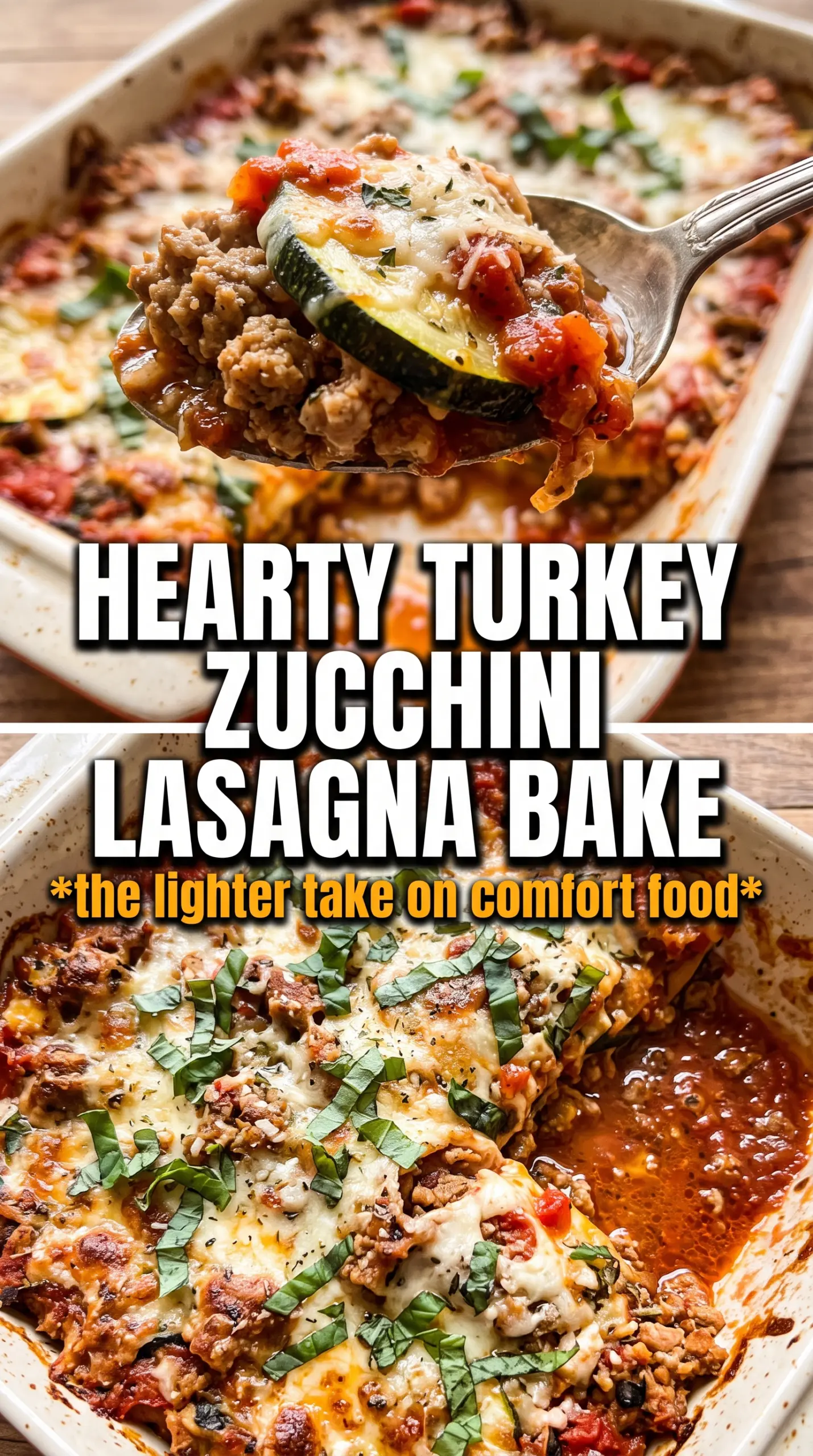
- Zucchini — This is the structure in place of noodles, but it needs prep. Thin, even planks bake more predictably than thick ones, and if they vary too much in size the layers get uneven and hard to slice.
- Ground turkey — Lean turkey gives the lasagna its body without heaviness. It needs onion, garlic, and simmer time to taste full, since it won’t contribute much fat on its own.
- Marinara sauce — Use a jarred sauce you already like the flavor of, because it carries the whole pan. A thin, overly sweet sauce will show up more here than it does in a regular pasta bake.
- Ricotta, egg, and parmesan — This is the layer that sets the slice. The egg helps it firm up, the parmesan sharpens the flavor, and the ricotta keeps the center creamy.
- Mozzarella — It gives the top that stretchy, browned finish. Pre-shredded works, but freshly shredded melts cleaner if you have the time.
- Fresh basil — The basil cuts through the richness and keeps the ricotta layer from tasting flat. Dried basil won’t give the same bright finish here.
Building the Layers So the Pan Slices Cleanly
Drying the Zucchini First
Salt the zucchini planks and let them sit long enough for beads of water to appear on the surface, then pat them dry until they no longer feel slick. Roast them just until they look softened and a little wrinkled at the edges, not collapsed. If they start to fall apart in the oven, they were cut too thin or roasted too long.
Cooking the Turkey Sauce Until It Thickens
Cook the turkey with the onion until the meat loses its raw look and starts picking up some brown bits. Garlic goes in after the turkey has taken on color so it doesn’t scorch. Once the marinara and seasoning are in, simmer until the sauce looks glossy and slightly reduced; that thicker texture is what holds the layers together.
Stacking for Structure
Start with a little sauce on the bottom of the baking dish so the zucchini doesn’t stick. Build in thin, even layers rather than thick ones, and end with sauce and mozzarella on top so the cheese protects the surface while it bakes. If the pan looks overloaded before it goes into the oven, it will overflow and the center won’t set as neatly.
Baking and Resting
Keep the pan covered for most of the bake so the center heats through without drying out. Uncover it at the end to let the cheese brown and the excess moisture evaporate. The rest time matters: cut it too early and the layers slide apart before they’ve had a chance to settle.
How to Adapt This for a Different Table or a Different Pantry
Dairy-Free Version
Use a dairy-free ricotta-style alternative and a melting vegan mozzarella, but expect a softer set and a little less browning. The filling will still work if you keep the zucchini well dried and the sauce thick, though the slice won’t be as structured as the original.
Make It Heartier with Beef
Swap half or all of the turkey for ground beef if you want a deeper, richer sauce. The tradeoff is a heavier dish, so I’d still simmer until the sauce tightens before layering or it can turn greasy.
Gluten-Free by Nature
This recipe is naturally gluten-free as long as your marinara is certified gluten-free. That small label check matters because some jarred sauces use thickeners or additives that sneak in gluten.
How to Make It Ahead
You can assemble the lasagna up to a day ahead, cover it tightly, and refrigerate it before baking. Pull it out while the oven preheats so the chill doesn’t slow the center too much, and add a few extra minutes if it still feels cold in the middle.
Storage and Reheating
- Refrigerator: Store leftovers for up to 4 days. The zucchini softens a bit as it sits, but the flavor holds up well.
- Freezer: It freezes best in individual portions after baking and cooling completely. Wrap tightly and freeze for up to 2 months; the texture will be softer after thawing, but still good for a quick dinner.
- Reheating: Reheat covered in a 350°F oven until hot in the center, or warm single portions in the microwave at medium power. High heat can make the cheese separate and push more water out of the zucchini.
Questions I Get Asked About This Recipe
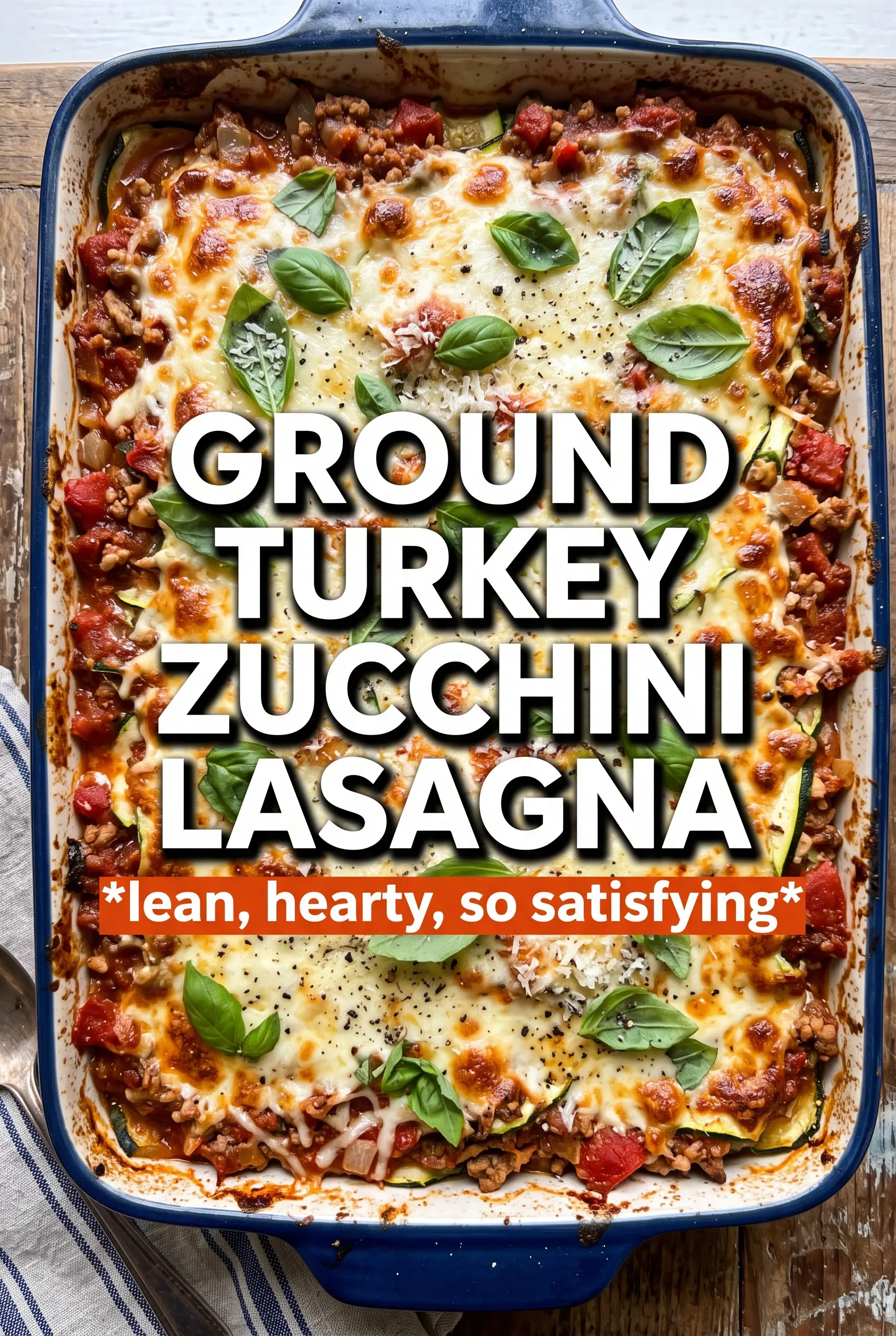
Zucchini Lasagna with Ground Turkey
Ingredients
Equipment
Method
- Salt the zucchini planks and let sit for 20 minutes, then pat completely dry to remove excess moisture.
- Roast the dried zucchini on a sheet pan at 425°F for 10 minutes to drive off moisture, then set aside.
- Cook the ground turkey and diced onion in a cast iron skillet over medium-high heat until browned.
- Stir in the minced garlic, optional fennel seeds, marinara sauce, and Italian seasoning, then simmer for 10 minutes until thickened slightly.
- Season the turkey sauce with salt and pepper to taste, then remove from heat.
- Mix the ricotta with the egg, grated parmesan, chopped fresh basil, and salt and pepper until smooth and well combined.
- Preheat the oven to 375°F and grease a 9x13 baking dish.
- Spread 1/2 cup turkey sauce on the bottom, layer zucchini planks, spread ricotta, add more turkey sauce, then sprinkle mozzarella.
- Repeat the layers, finishing with turkey sauce and mozzarella on top.
- Cover with foil and bake for 40 minutes, then uncover and bake for 15 minutes until the cheese is deeply golden.
- Rest the baked zucchini lasagna for 15 minutes before slicing so the layers set.