Hobo dinner cheeseburgers come out with juicy beef, tender potatoes, sweet onions, and peppers that pick up all the burger drippings as they cook. The best part is the steam inside the foil packet: it softens the vegetables while keeping the patties moist, then the quick blast of heat at the end melts the cheese into the top of the burger without drying anything out.
This version works because the potatoes are sliced thin enough to cook through in the same time as the patties, and the vegetables sit under the meat where they catch flavor instead of steaming in plain water. A little butter in each packet helps everything brown at the edges and keeps the foil from feeling dry when you open it up. Heavy-duty foil matters here, too, because a flimsy sheet can split once the packet gets flipped over the heat.
Below, I’ve laid out the one timing detail that keeps the potatoes from coming out crunchy, plus a few easy swaps if you want to change the vegetables or make these work on a grill instead of over campfire coals.
The potatoes were tender, the burger stayed juicy, and the cheese melted right over the top when I resealed the packet for a minute. My husband loved that everything cooked together and there was almost no cleanup.
Love these foil packet burgers with melted cheese and campfire vegetables? Save them to Pinterest for your next easy camping dinner.
The Reason the Potatoes Finish at the Same Time as the Burger
The trick here is slicing the potatoes thin enough that they soften in the same window as the beef. If the slices are thick, the burger is done before the potatoes are even close, and you end up either overcooking the meat or biting into hard potatoes. Thin slices let the steam inside the packet do the work while the butter carries the heat and flavor through the vegetables.
Laying the vegetables under the patty matters too. The meat juices drip down and season the potatoes and onions as they cook, which is what gives this kind of packet dinner its payoff. If your foil packets have a lot of empty space, they steam unevenly, so keep the layers compact and seal the edges well.
What the Butter, Foil, and Cheese Are Each Doing Here
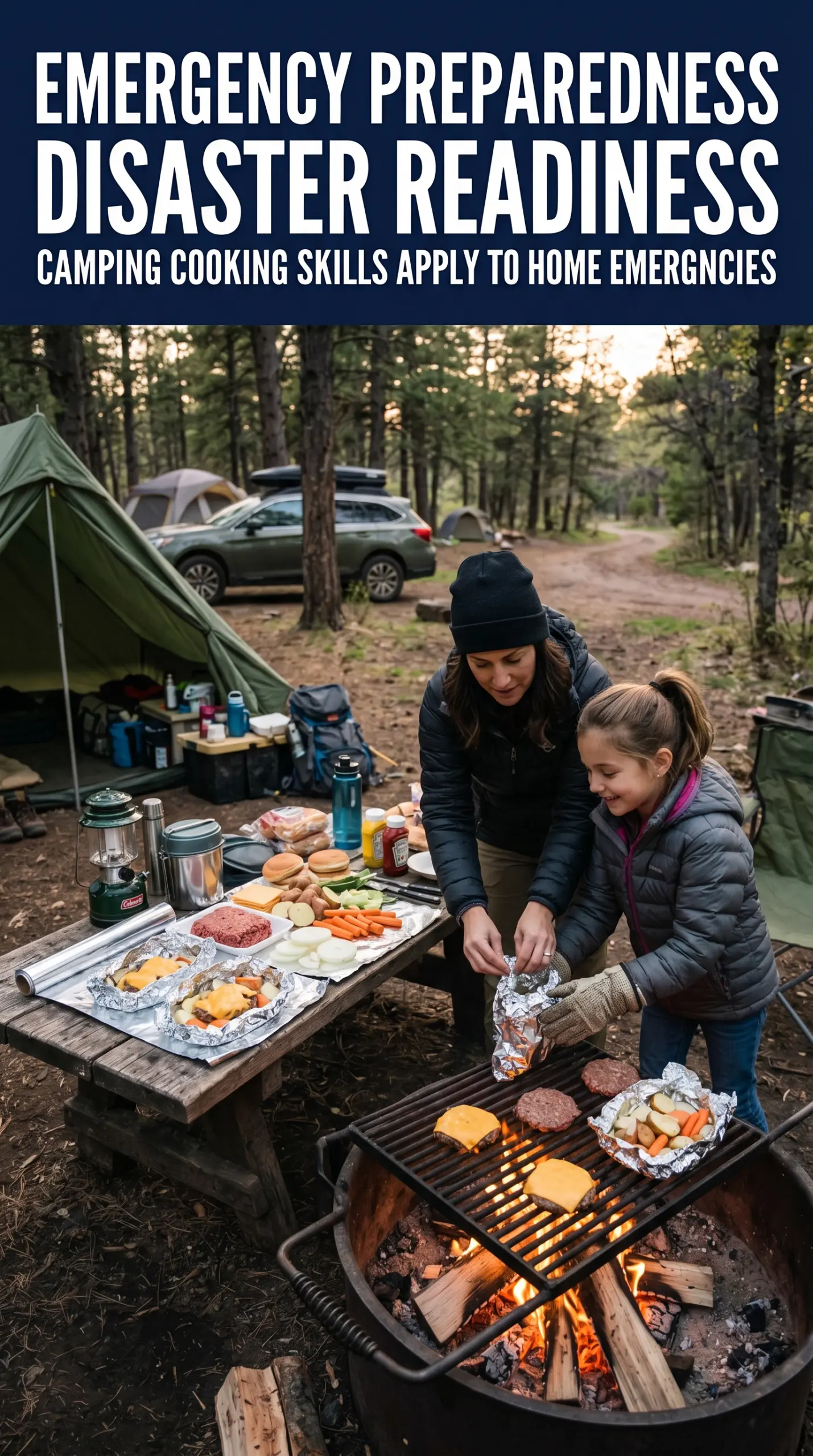
- Ground beef — Use beef with enough fat to stay juicy in the packet. Extra-lean beef can turn dry because there’s nowhere for the moisture to hide once the packet heats up. You want patties shaped thin, not thick domes, so they cook through without leaving the vegetables behind.
- Potatoes — This is the ingredient that needs the most attention. Slice them thin and even, and don’t stack them in a thick pile, or they’ll stay firm while everything else finishes. Yukon Golds work especially well because they hold their shape but turn creamy inside the packet.
- Onion and bell pepper — These soften and sweeten as they cook, giving the burgers something more interesting than just meat and potatoes. Yellow onions work if that’s what you have, but bell pepper adds a fresh, slightly smoky note that stands up well over campfire heat.
- American cheese — This melts cleanly and gives you that classic cheeseburger finish without turning grainy. If you swap in cheddar, shred it first or use a thin slice, because a thick slab takes longer to melt inside a packet that’s already off the heat.
- Heavy-duty foil — Regular foil tears too easily once the packet is flipped or moved with tongs. Heavy-duty foil keeps the juices in and makes the packets easier to handle over a grate or campfire coals.
Building the Packets So the Vegetables Cook Before the Meat Overdries
Form Thin Patties First
Divide the beef into four portions and press each one into a thin patty. Season both sides with salt and pepper, then set them aside while you build the foil packets. Thin patties cook faster and more evenly in enclosed foil, which is important because the vegetables underneath need that same time to finish.
Layer the Vegetables Where the Heat and Drippings Reach Them
Place the sliced potatoes, onions, and bell peppers on each sheet of foil before the burger goes on top. Keep the pile centered so the foil can seal around it without tearing. The vegetables should be in a loose, even layer, not a dense mound, or the ones in the middle will stay underdone.
Seal, Cook, and Flip Without Leaking
Add a tablespoon of butter to each packet, fold the foil tightly, and crimp the edges shut. Cook over medium heat for 20 to 25 minutes, flipping halfway through so the potatoes cook through evenly. If the packets puff up a little, that’s fine, but if steam starts escaping, the seal is loose and the vegetables may dry out at the edges.
Melt the Cheese at the Very End
Open each packet carefully, add a slice of American cheese to the burger, then fold the foil back over for a minute or two. That short rest gives the cheese enough heat to melt without pushing the burger past juicy. Let the packets sit for 5 minutes before serving so the juices settle and you don’t lose half the flavor to the foil.
How to Change These Without Losing the Campfire Dinner Feel
Make it dairy-free
Skip the butter and use a neutral oil or dairy-free butter alternative. You’ll lose a little of the classic richness, but the packet still cooks nicely and the vegetables won’t stick to the foil.
Swap the vegetables based on what you have
Mushrooms, zucchini, or sliced carrots can stand in for the peppers. Just keep the pieces thin and similar in size so they finish at the same pace as the potatoes instead of turning one part of the packet soft before the rest is done.
Use ground turkey or chicken
Lean poultry works, but it needs the butter or oil to keep it from drying out in the packet. Shape the patties thin and don’t overcook them, since poultry goes from done to dry fast once it’s sealed in foil.
Make it gluten-free without changing the method
This recipe is naturally gluten-free as written, as long as your cheese and any seasoning you add are gluten-free. The cooking method stays the same, which is one reason foil packet dinners are so useful.
Storage and Reheating
- Refrigerator: Store leftovers in a sealed container for up to 3 days. The potatoes soften a bit more as they sit, but the flavor holds up well.
- Freezer: I don’t recommend freezing the finished packets. The potatoes and peppers turn watery and grainy after thawing.
- Reheating: Warm leftovers in a skillet over medium-low heat or in a 325°F oven until hot. Microwaving works in a pinch, but it softens the vegetables even more and can make the burger rubbery if you overdo it.
Questions I Get Asked About This Recipe
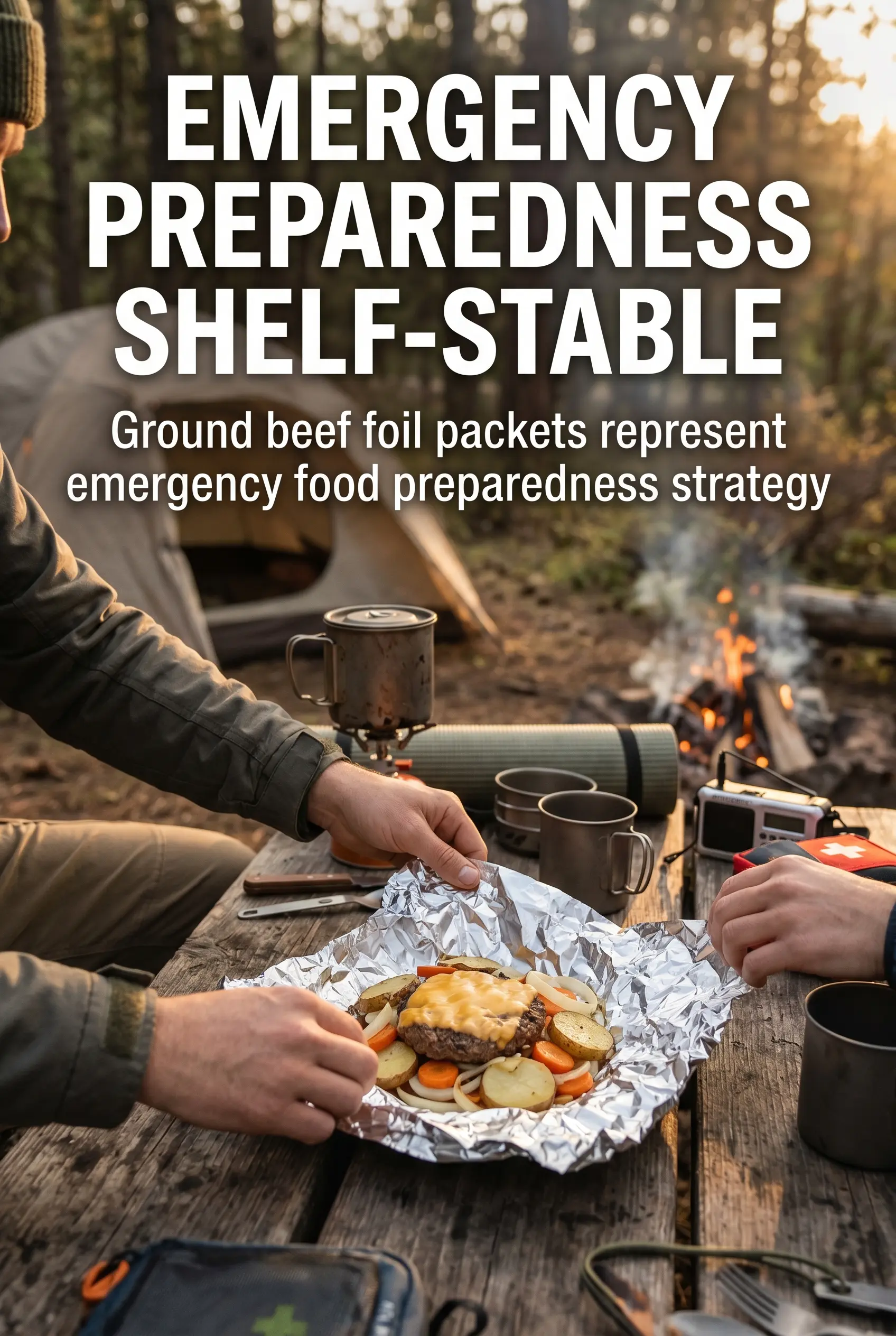
Hobo Dinner Cheeseburgers
Ingredients
Equipment
Method
- Divide ground beef into 4 portions and form thin patties, seasoning with salt and pepper.
- Preheat a campfire grate to medium heat so you can cook the foil packets evenly.
- On each foil sheet, layer sliced potatoes, onions, and bell peppers.
- Place a burger patty on top of the vegetables and add 1 tablespoon butter.
- Fold foil into sealed packets, keeping the seams tight to trap steam.
- Place packets on the campfire grate over medium heat for 20-25 minutes, flipping halfway so burgers and potatoes cook through.
- Open packets carefully and add cheese slices to the burgers, then reseal briefly to melt cheese.
- Let packets cool for 5 minutes before serving from the packets so the filling sets and doesn’t burn.