Orzo salad lands in that sweet spot between crisp and comforting. The pasta stays small enough to catch every bit of lemony dressing, while the cucumber, tomatoes, and herbs keep each bite bright and clean. Served chilled, it holds its texture instead of turning heavy, which is why it disappears fast at cookouts, potlucks, and easy weeknight dinners.
The trick is building enough flavor into the dressing before it hits the bowl. Lemon zest, garlic, and a good olive oil do the lifting here, and rinsing the orzo after cooking keeps the salad from turning gummy while it chills. Fresh mint and parsley matter more than you might think; they keep the whole dish tasting fresh instead of flat.
Below, you’ll find the little details that keep the pasta from clumping, the ingredient swaps that still taste balanced, and the best way to make this ahead without losing that clean, bright finish.
I let it chill for an hour and the lemon dressing soaked into the orzo without making it soggy. The mint was such a good touch, and the feta on top gave it the perfect salty finish.
Pin this lemon orzo salad for a chilled side dish loaded with cucumber, tomatoes, and fresh herbs.
The Part That Keeps Orzo Salad From Going Mushy
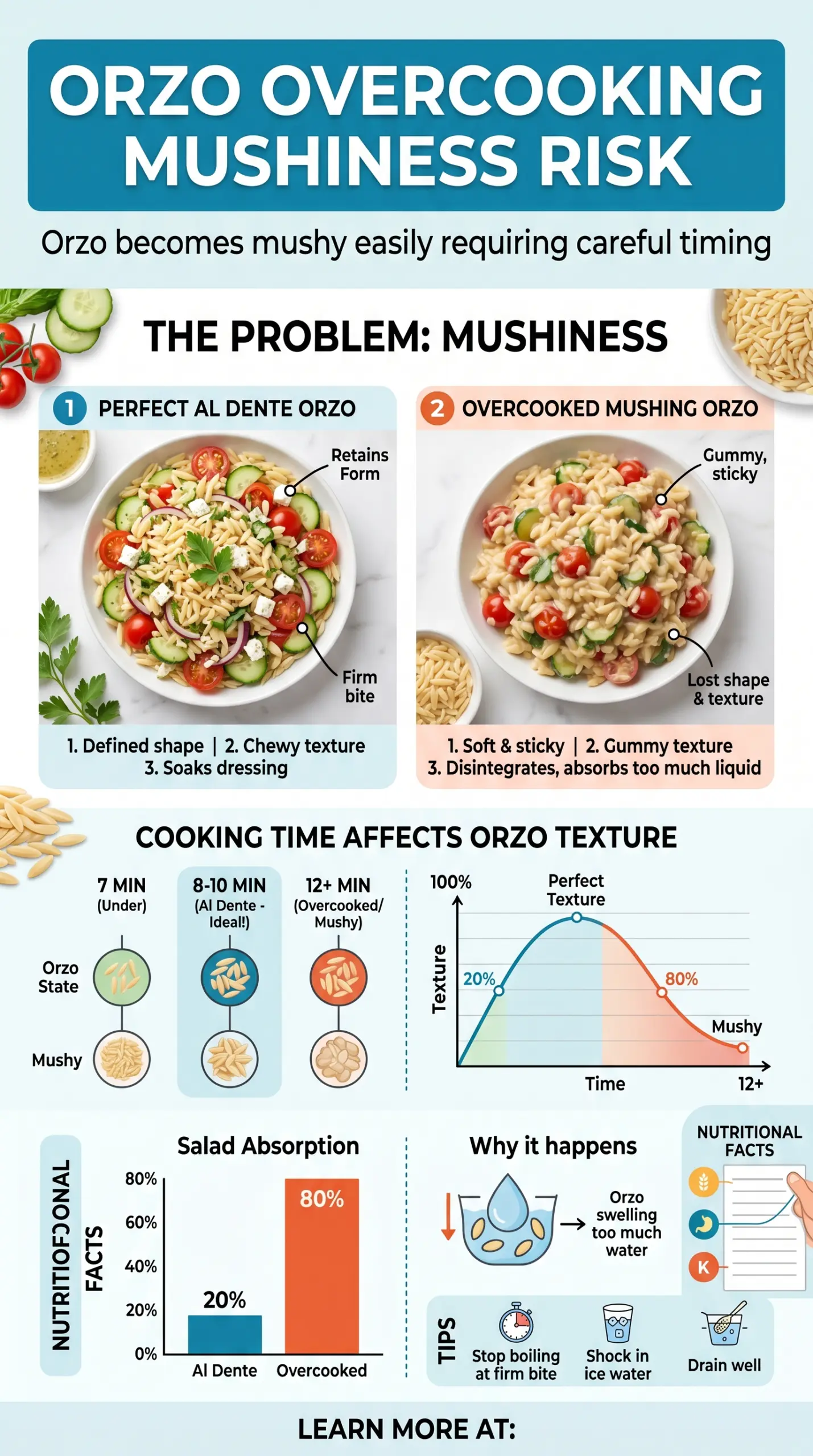
Orzo can go from nicely tender to sticky in a hurry, and that’s the mistake that ruins a lot of pasta salads. Rinsing it under cold water stops the cooking fast and washes off the surface starch that would otherwise make the salad gluey as it sits. That rinse is not optional here; it’s what keeps the grains separate and light.
The other thing that matters is chilling time. This salad tastes good right after mixing, but an hour in the fridge lets the orzo absorb the lemon dressing without losing its shape. If the pasta still tastes a little plain when you first toss it, that’s normal. The flavor settles in as it rests.
- Rinsed orzo — This is what gives you a pasta salad instead of a sticky bowl of little clumps. Cold water stops the cooking and keeps the texture clean.
- Lemon zest — Juice gives the acidity, but zest carries the bright lemon oil that makes the salad taste fresh instead of sharp. Don’t skip it.
- Fresh herbs — Parsley and mint are doing real work here. Dried herbs won’t give the same lift or freshness, and the salad will taste heavier.
What Each Ingredient Is Actually Doing In This Dish
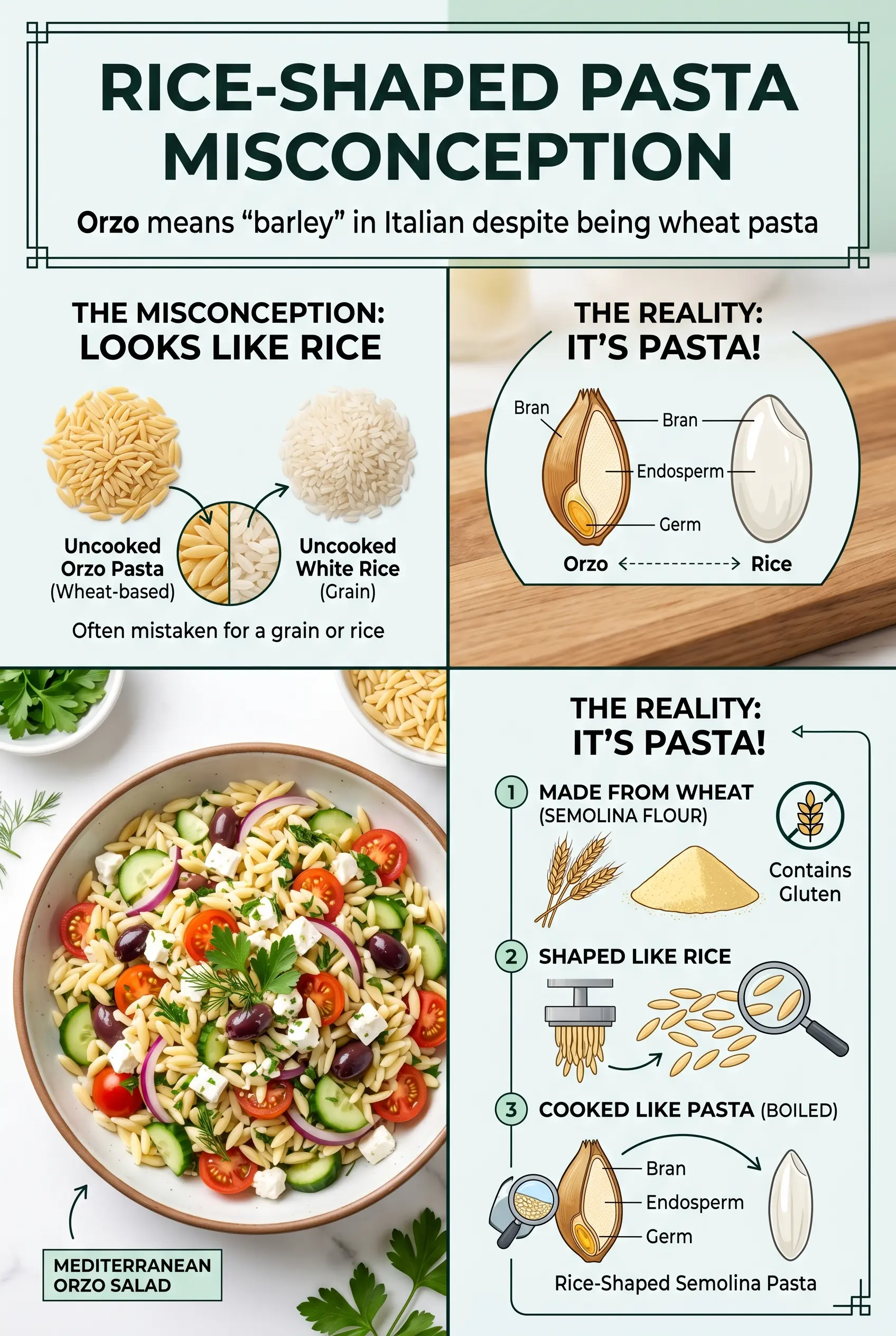
- Orzo — This tiny pasta catches the dressing in a way bigger pasta shapes don’t. If you swap it, stick with another small shape like ditalini or small shells so the salad still eats the same way.
- Cherry tomatoes — They bring juiciness without flooding the bowl. Halve them so their flavor spreads through the salad instead of staying trapped in whole bites.
- Cucumber — It gives the salad its cool crunch. If your cucumber has a lot of seeds, scoop some out first so the salad doesn’t water down as it sits.
- Red onion — A little sharpness keeps the salad from tasting bland. Dice it finely so it blends in instead of taking over.
- Olive oil and lemon juice — This dressing is simple, so use an olive oil you’d actually enjoy on a salad. The lemon juice wakes everything up, and the oil smooths out the edge.
- Feta — Optional, but it adds salt and creaminess. Add it at the end so it stays in little pockets instead of disappearing into the dressing.
Building The Salad So Every Bite Stays Bright
Cooking The Orzo Until Just Tender
Boil the orzo until it’s tender but still has a little bite in the center. If it goes fully soft, it’ll absorb too much dressing later and lose its shape. Drain it well, then rinse under cold water until the pasta is no longer warm to the touch. Shake off as much water as you can before moving on.
Whisking A Dressing That Actually Sticks
Combine the olive oil, lemon juice, lemon zest, garlic, salt, and pepper in a bowl and whisk until it looks glossy and unified. The zest and garlic need to be evenly dispersed so one spoonful isn’t all acid and another is just oil. If the garlic tastes harsh, it’s because the dressing was mixed too far ahead or the cloves were too large; mince them finely so they melt into the salad.
Tossing And Chilling For The Best Texture
Add the tomatoes, cucumber, onion, parsley, and mint to the orzo, then pour the dressing over the top and toss until everything is coated. Work gently so the tomatoes hold their shape and the herbs don’t bruise. Cover and chill for at least an hour. When it comes out of the fridge, give it one more toss; the dressing settles to the bottom while it rests.
How To Adapt This For A Bigger Bowl, A Dairy-Free Table, Or A Pantry Swap
Make It Dairy-Free Without Losing Any Flavor
Skip the feta and add a few extra pinches of salt to the dressing, then finish with a little more lemon zest. The salad stays bright and satisfying, and you won’t miss the cheese if the herbs are fresh.
Turn It Into A Fuller Main-Dish Salad
Add chickpeas, grilled chicken, or chopped rotisserie chicken after the pasta cools. Chickpeas keep it vegetarian and give you more texture, while chicken makes it a stronger lunch without changing the lemon-herb balance.
Swap The Herbs Based On What You Have
If you’re out of mint, use more parsley and add a small handful of dill for a different fresh note. Basil works too, but it changes the profile a bit and makes the salad taste softer and less crisp.
Storage And Reheating
- Refrigerator: Store in an airtight container for up to 4 days. The herbs soften a little, but the flavor holds up well.
- Freezer: I don’t recommend freezing this salad. The cucumber and tomatoes turn watery after thawing, and the pasta loses its clean texture.
- Reheating: This salad is meant to be served chilled. If it’s been in the fridge awhile, let it sit at room temperature for 10 to 15 minutes and stir in a squeeze of lemon if the dressing tastes muted.
Questions I Get Asked About This Recipe
Orzo Salad
Ingredients
Method
- Cook orzo according to the package directions until tender. Drain and immediately rinse with cold water to stop the cooking and keep the pasta from clumping.
- Whisk olive oil, lemon juice, lemon zest, garlic, salt, and pepper until fully combined and glossy. Taste and adjust seasoning with more salt and pepper if needed.
- Add orzo, cherry tomatoes, cucumber, red onion, parsley, and mint to a large bowl. Toss gently so the herbs and vegetables are evenly distributed.
- Pour the lemon vinaigrette over the salad and toss to combine. Refrigerate for at least 1 hour so the flavors meld.
- Top with crumbled feta if desired and serve chilled. Keep any leftovers covered in the refrigerator.