Cold pasta salad only works when the noodles stay springy and the dressing actually clings instead of sliding to the bottom of the bowl. This version gets that balance right: rotini holds onto the Italian dressing, the vegetables stay crisp, and the whole thing tastes better after a good chill instead of going soggy by lunch.
The trick is a quick rinse after cooking so the pasta stops carrying heat and won’t keep softening while it rests. Bottled Italian dressing does the heavy lifting here, but Parmesan and Italian seasoning deepen it just enough that the salad tastes built, not poured together. The vegetables matter too: juicy tomatoes, crunchy cucumber, sweet bell pepper, and sharp red onion give every bite a little contrast.
Below you’ll find the small details that keep this salad from turning heavy or dry. A short rest in the fridge lets the pasta drink up the dressing, and a final toss right before serving brings everything back to life. If you’re making this for a cookout, potluck, or a week of lunches, those two minutes at the end matter more than people think.
The pasta stayed firm after chilling, and the dressing soaked in without making it watery. I added a little extra Parmesan at the end and it tasted like something I’d pick up at a deli.
Save this pasta salad with Italian dressing for the next potluck, picnic, or make-ahead side dish night.
The Pasta Won’t Stay Good If You Skip This Cooling Step
The biggest mistake with pasta salad is dressing hot noodles and expecting them to hold their shape later. Hot pasta keeps absorbing liquid fast, which leaves you with soft rotini and a bowl that tastes flat by the time it hits the table. Rinsing under cold water stops that carryover cooking and washes off excess starch so the dressing can coat instead of turning gluey.
Another thing that matters here is the rest time. Two hours in the fridge isn’t a formality; it’s when the pasta picks up flavor and the vegetables settle into the dressing without losing their crunch. If the salad tastes a little underdressed right after mixing, that usually fixes itself after chilling. If it still looks dry before serving, it’s usually because the pasta was drained too well and never had enough dressing to start with.
What Each Ingredient Is Actually Doing In This Bowl
- Rotini pasta — The spirals catch dressing in every curve, which is why this shape works better than long pasta or very smooth shapes. Penne also works, but rotini gives you the best coating on each bite.
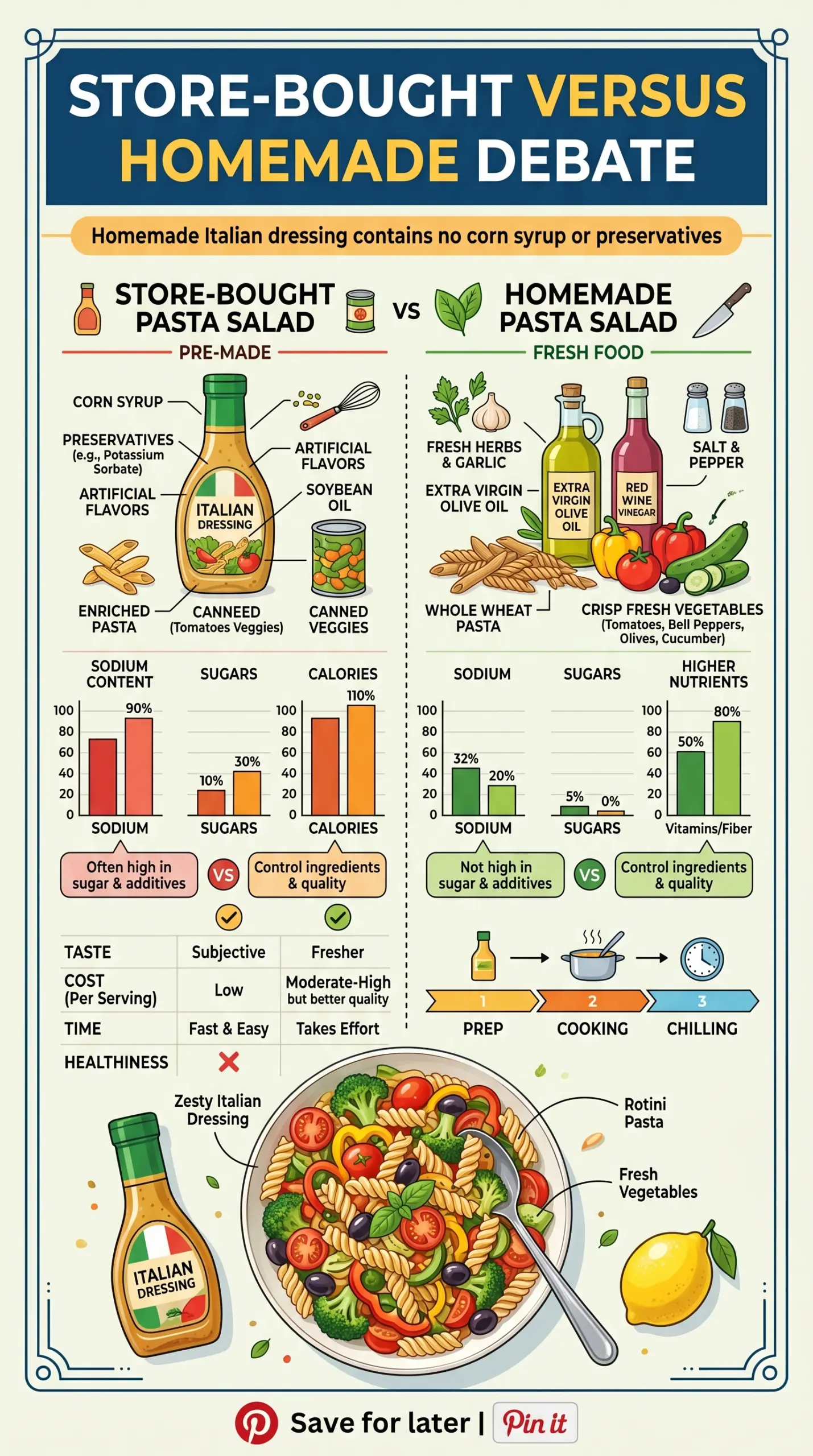
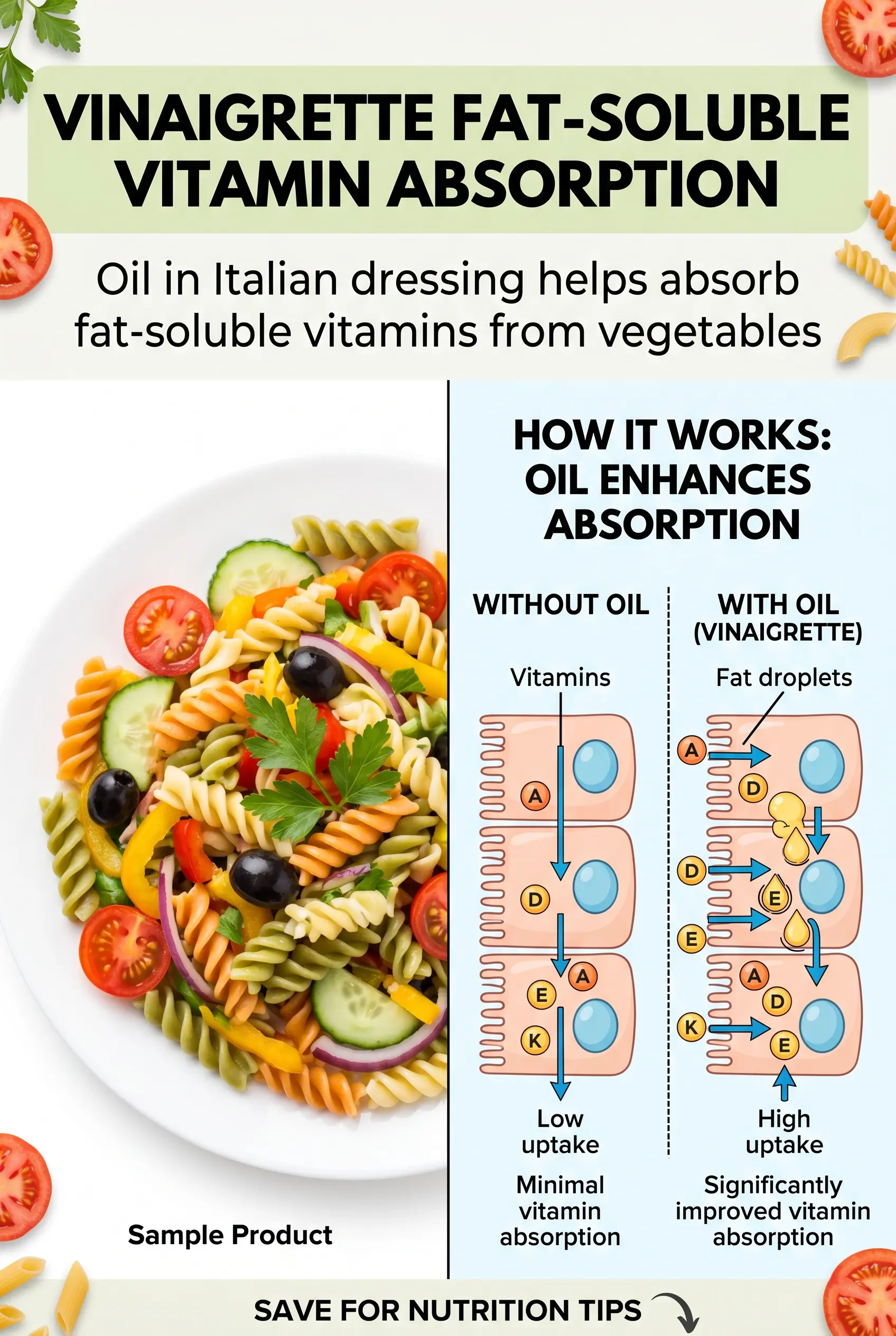
- Italian dressing — This is the backbone of the salad, so use one you actually like straight from the bottle. A thicker dressing clings better than a thin vinaigrette, and that’s what keeps the salad from pooling at the bottom.
- Cherry tomatoes, cucumber, bell pepper, red onion, and olives — These give the salad its crunch, salt, and freshness. Dice everything small enough that it mixes evenly with the pasta; big chunks tend to slide apart and make the bowl hard to scoop.
- Parmesan cheese — It adds a salty finish and helps the dressing taste a little richer. Grated Parmesan blends in better than shredded here because it disappears into the pasta instead of sitting in clumps.
- Italian seasoning — This boosts the bottled dressing and makes the whole bowl taste less one-note. If your dressing is already heavily seasoned, use a light hand so the herbs don’t start to taste dusty.
Building The Salad So It Stays Crisp, Not Watery
Cooking the Pasta to the Right Point
Cook the rotini until it’s just tender with a little bite left in the center. Pasta salad softens as it chills, and if you start with overcooked noodles they’ll turn mushy by the time the flavors have settled. Drain it well, then rinse until the pasta feels cool to the touch. That pause in the cooking process is what keeps the salad from collapsing later.
Mixing In the Vegetables
Add the tomatoes, cucumber, bell pepper, onion, and olives once the pasta is fully cooled. If the pasta is still warm, the vegetables lose crunch and the tomatoes release juice faster than you want. Toss gently so the rotini doesn’t break, but get everything distributed before the dressing goes in. The goal is even coverage without bruising the vegetables.
Coating With Dressing and Letting It Rest
Pour in the Italian dressing, Parmesan, and Italian seasoning, then toss until every spiral looks glossy. If the bowl seems dry at first, wait a minute and toss again; the pasta will drink in some of the dressing as it sits. Refrigerate for at least two hours, and give it another toss before serving. If it feels tight after chilling, a small splash more dressing brings it right back.
Make It Vegetarian Without Losing the Bite
This recipe is already vegetarian as written, so the main thing to watch is the Parmesan. If you want to keep it fully vegetarian for strict diets, use a Parmesan-style cheese made without animal rennet or leave it out and add a little extra salt to the dressing. The salad will still hold onto the Italian dressing and taste balanced.
Swap the Veggies for What You Have
Broccoli florets, diced zucchini, or chopped celery can stand in for one of the vegetables if that’s what’s in the fridge. Keep the pieces small and crisp so they don’t overwhelm the pasta. What you gain is flexibility; what you lose is a little of the classic deli-style sweetness from the tomatoes and peppers.
Use a Lighter Dressing for a Brighter Salad
A zippier Italian dressing gives you a sharper, more vinegar-forward salad, while a creamy-style Italian makes it richer and heavier. If the dressing is especially tangy, start with a little less and add more after chilling. Pasta salad almost always tastes better when you build cautiously and finish with the last splash at the end.
Storage and Reheating
- Refrigerator: Store for up to 4 days in a sealed container. The vegetables will soften slightly, but the flavor deepens by day two.
- Freezer: Don’t freeze this one. The pasta and fresh vegetables go limp and watery after thawing.
- Reheating: This salad is served cold, not reheated. If it seems dry after chilling, stir in a spoonful or two of dressing and let it sit for 10 minutes before serving.
Answers to the Questions Worth Asking
Pasta Salad With Italian Dressing
Ingredients
Method
- Cook rotini pasta according to package directions until al dente, then drain. Visual cue: pasta should be tender with a slight bite.
- Rinse the cooked pasta with cold water until fully cooled, then drain well. Visual cue: pasta looks less glossy and stops steaming.
- Combine pasta, cherry tomatoes, cucumber, green bell pepper, red onion, and black olives in a large bowl. Visual cue: vegetables are evenly distributed throughout.
- Add Italian dressing, Parmesan cheese, and Italian seasoning, then toss until everything is coated. Visual cue: pasta is slicked with dressing and vegetables look lightly glazed.
- Refrigerate for at least 2 hours to allow flavors to develop, covered if possible. Visual cue: mixture looks thicker and more cohesive as dressing clings.
- Toss again before serving and add more Italian dressing if needed. Visual cue: vegetables appear fresh and the coating looks even.