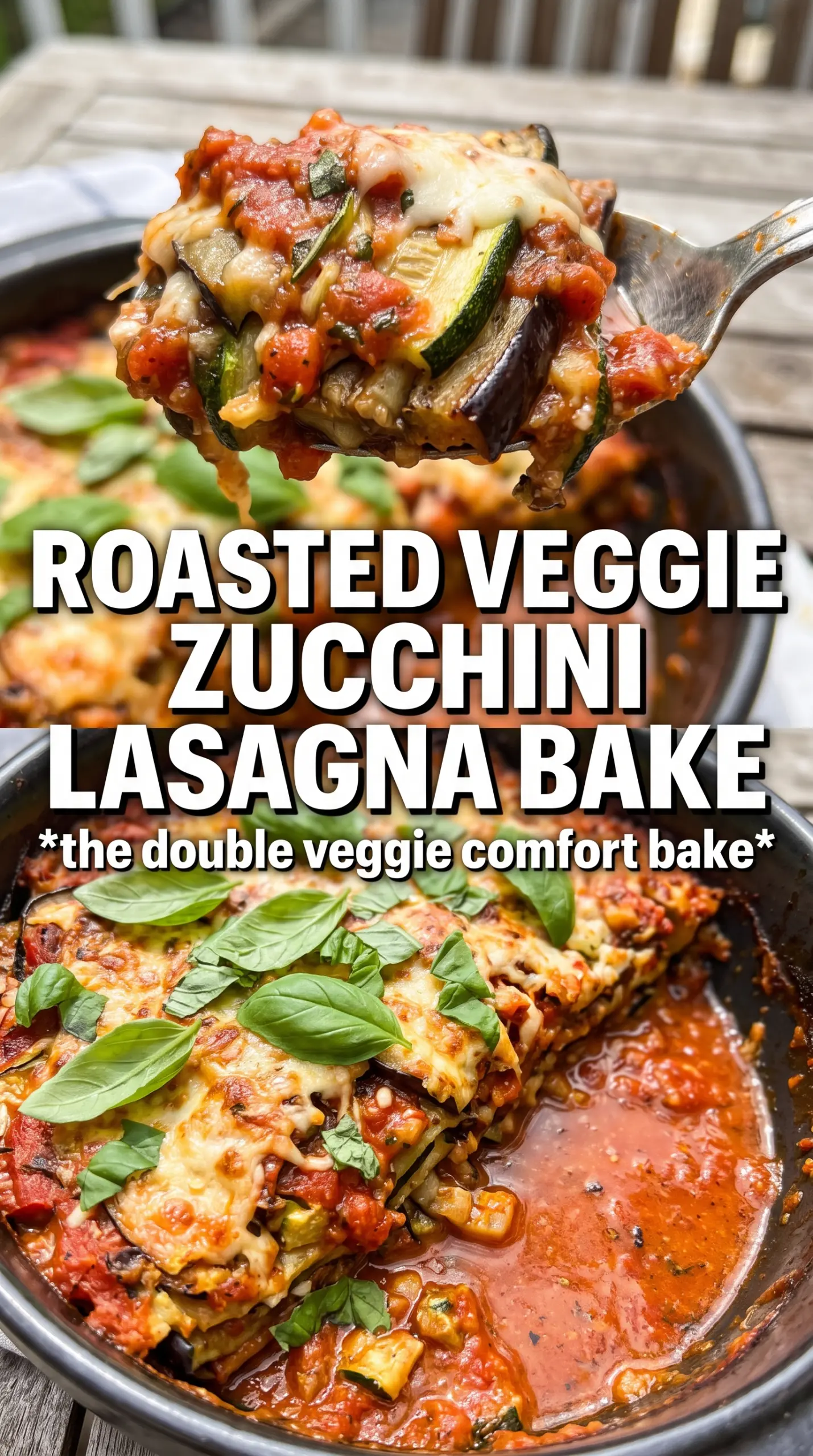
Roasted eggplant and zucchini lasagna lands on the table with the kind of hearty, layered comfort that makes you forget there isn’t a single noodle in it. The vegetables soften just enough to slice cleanly, the sauce stays bright and tomato-forward, and the cheese bakes into a browned top that holds its shape instead of sliding into a puddle. Every layer tastes like it was put there on purpose, which is exactly what you want from a vegetable lasagna.
The trick is giving the eggplant and zucchini enough heat before they ever meet the sauce. Roasting drives off extra moisture, concentrates flavor, and keeps the casserole from turning watery in the oven. Salting first helps even more, especially with eggplant, because it pulls out the excess liquid that would otherwise dilute the sauce and make the layers slippery.
Below you’ll find the small details that matter: how to roast the vegetables without drying them out, how to keep the ricotta layer from turning loose, and how to assemble the dish so the slices stay neat after resting.
The roasted vegetables kept their shape, and the lasagna sliced cleanly after resting. The zucchini wasn’t watery at all, and the cheese on top browned beautifully without turning greasy.
Save this roasted eggplant and zucchini lasagna for the night you want a layered baked pasta feel without the noodles.
The Vegetables Need to Give Up Their Water Before They Hit the Pan
Most watery vegetable lasagnas fail long before they go into the oven. Eggplant and zucchini both carry a lot of moisture, and if you layer them in raw, that liquid leaks out into the sauce, loosens the ricotta, and leaves you with a casserole that cuts like soup. Salting the slices first and roasting them until they’re tender and lightly browned changes the whole dish.
This isn’t about making the vegetables dry or leathery. It’s about concentrating them so they taste like themselves and don’t sabotage the structure of the lasagna. The eggplant should collapse a little when pressed, and the zucchini should lose that raw, spongy feel. If they’re still glossy and wet after roasting, keep them in the oven a few minutes longer.
- Eggplant — This is the backbone of the dish. Choose firm, medium eggplants with smooth skin, and don’t skip the salting step if you want slices that bake up clean instead of slippery.
- Zucchini — Zucchini brings sweetness and a lighter texture, but it’s the vegetable most likely to flood the pan. Slice it evenly and roast until the edges just begin to color.
- Olive oil — A light brushing helps the vegetables caramelize instead of steam. You don’t need a heavy hand; too much oil turns the layers greasy and soft.
- Ricotta — The egg and parmesan help the ricotta set into a creamy layer instead of oozing out. If your ricotta is very loose, drain it briefly before mixing.
- Mozzarella — Use part-skim if you want a cleaner slice, or whole-milk if you want a richer melt. Either way, divide it so some goes inside and some finishes the top with a browned crust.
What Each Layer Is Doing While It Bakes
- Crushed tomatoes — Crushed tomatoes give you a sauce that clings without needing to cook down forever. If all you have is diced tomatoes, crush them by hand before they go in so the sauce doesn’t stay too chunky between the layers.
- Garlic and Italian seasoning — Garlic cooked briefly in olive oil starts the sauce with a mellow base instead of a sharp raw edge. A standard Italian seasoning blend works fine here; fresh herbs are nice, but they’re not what makes the sauce hold together.
- Parmesan — Parmesan sharpens the ricotta filling and helps it bake into a more cohesive layer. Grate it finely so it disappears into the mixture instead of clumping.
- Fresh basil — Basil adds a fresh finish in the ricotta and again on top if you garnish with it after baking. If you don’t have it, use a smaller amount of dried basil in the sauce and leave the ricotta plain.
The Order That Keeps the Layers Clean
Dry the Vegetables After Roasting
Once the eggplant and zucchini come out of the oven, let them sit for a few minutes so the steam dies down. If any surfaces still look wet, blot them gently with paper towels. That little bit of extra drying makes a big difference when you start stacking, because wet vegetables slide around and loosen the whole casserole.
Build a Thin Sauce Base First
Spoon a small layer of sauce into the bottom of the dish before anything else. It keeps the first vegetable layer from sticking and gives the lasagna enough moisture from below without drowning it. If you pour too much sauce in at the start, the bottom turns soupy and the whole bake loses definition.
Overlap the Rounds Without Packing Them Tight
Layer the eggplant and zucchini in slight overlap, the way you’d shingle roof tiles. You want coverage, not compression. If you cram them in too tightly, the filling has nowhere to settle and the slices won’t hold after resting. Keep the ricotta in a thin, even layer so every bite gets some creaminess without turning heavy.
Finish Hot, Then Let It Sit
Covering the dish for the first part of baking gives the center time to heat through, and uncovering it at the end lets the mozzarella brown. Pull it when the cheese is deeply golden and the sauce is bubbling at the edges. Then leave it alone for 15 minutes. If you slice too early, the layers spread before they set.
How to Adapt This for Different Kitchens and Diets
Dairy-Free Version
Use a dairy-free ricotta-style alternative and a good melting plant-based mozzarella. The texture will be a little softer and less rich, but roasting the vegetables first still keeps the layers sturdy enough to slice.
Lower-Carb, Extra-Vegetable Version
This is already noodle-free, but you can lean harder into the vegetables by adding roasted mushrooms or thin slices of bell pepper. Just keep the total moisture under control or the bake will need a longer rest before it slices cleanly.
Make-Ahead Assembly
You can roast the vegetables and make the sauce a day ahead, then assemble just before baking. If you want to fully assemble it in advance, keep it covered and chilled, but add 10 to 15 extra minutes in the oven so the center heats all the way through.
Storage and Reheating
- Refrigerator: Store leftovers covered for up to 4 days. The layers firm up as they chill, which makes the slices even neater the next day.
- Freezer: This freezes well in portions. Wrap tightly and freeze for up to 2 months, then thaw overnight in the fridge before reheating.
- Reheating: Reheat covered in a 350°F oven until hot in the center, about 20 to 25 minutes for a smaller portion. The biggest mistake is blasting it in the microwave too long, which makes the cheese separate and the vegetables turn mushy.
Answers to the Questions Worth Asking
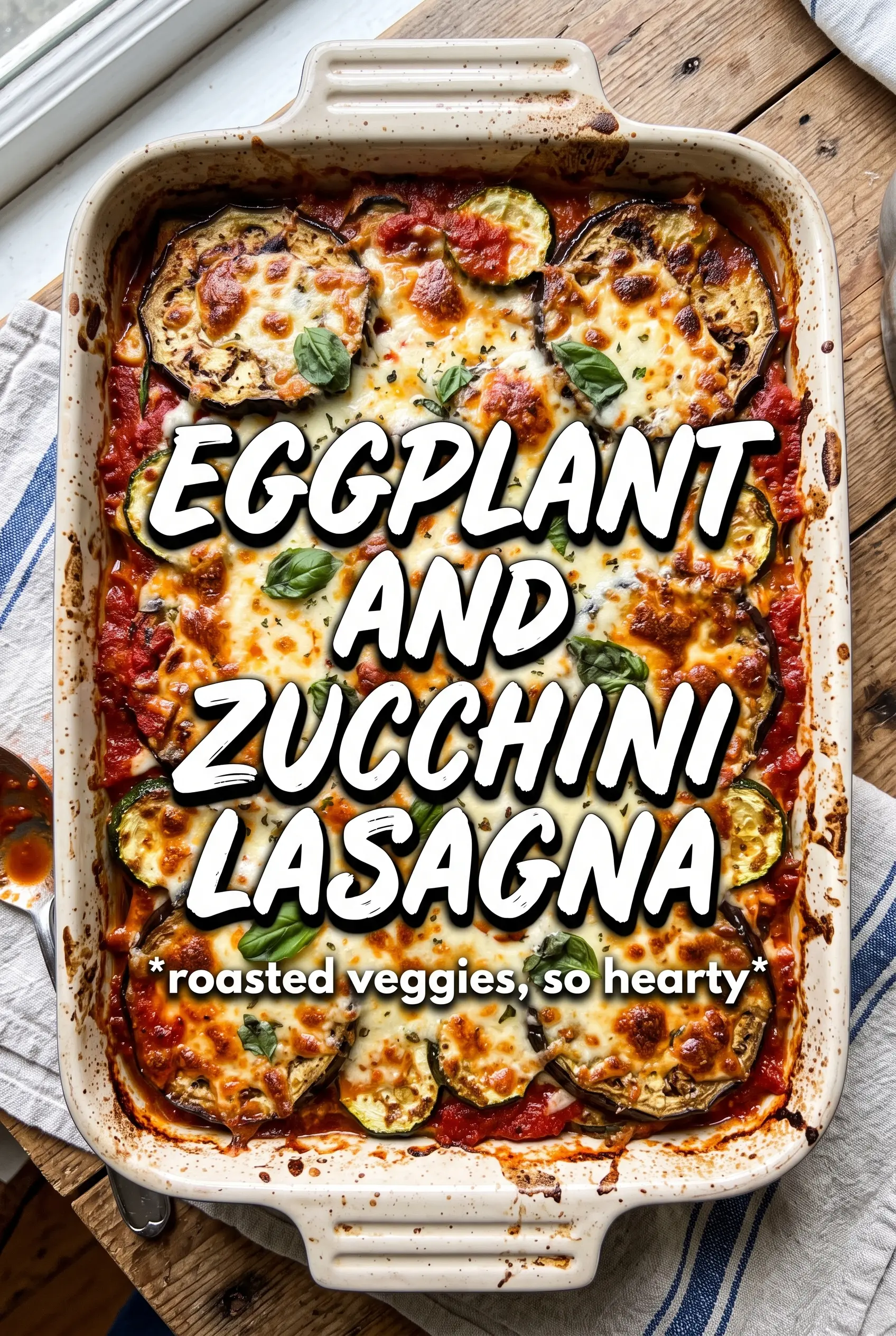
Roasted Eggplant and Zucchini Lasagna
Ingredients
Equipment
Method
- Slice the eggplant and zucchini into 1/4-inch rounds, then salt both generously and let sit for 20 minutes to draw out moisture.
- Pat the eggplant and zucchini dry thoroughly with paper towels so the roasted layers turn golden instead of steaming.
- Brush the eggplant and zucchini rounds with olive oil, then arrange them on a sheet pan.
- Roast at 425°F for 20–25 minutes, flipping halfway, until golden and tender, then set aside.
- In a saucepan, cook the minced garlic in olive oil for 1 minute to soften and lightly perfume the oil.
- Add crushed tomatoes, Italian seasoning, salt, and pepper, then simmer for 10 minutes until the sauce thickens slightly.
- In a bowl, mix ricotta cheese with the egg, grated parmesan, fresh basil, salt, and pepper until smooth and cohesive.
- Preheat the oven to 375°F and spread 1/2 cup of tomato sauce in a 9x13 dish.
- Assemble the lasagna by layering eggplant and zucchini rounds overlapping, then spread the ricotta, spoon on tomato sauce, and scatter a portion of shredded mozzarella.
- Repeat the layers until finished, ending with sauce and mozzarella on top.
- Cover with foil and bake at 375°F for 30 minutes.
- Uncover and bake for 20–25 minutes until deeply golden and bubbling.
- Rest the roasted eggplant and zucchini lasagna for 15 minutes before slicing so the layers hold their shape.
- Garnish with fresh basil and serve warm, showcasing the alternating dark eggplant and green zucchini layers.