Three Cheese Zucchini Rollatini bakes up into tender spirals of zucchini tucked around a creamy ricotta filling, all smothered in marinara and finished with a bubbling blanket of mozzarella. The zucchini stays soft enough to roll but still holds its shape, so each portion cuts cleanly and feels hearty without getting heavy.
What makes this version work is the moisture control. Zucchini carries a lot of water, and if you skip the salting and drying, the filling loosens and the sauce turns thin. A quick pre-cook on the planks helps them relax before rolling, and the egg in the cheese mixture gives the filling enough structure to stay put once it hits the oven.
Below, I’ve included the little details that keep the rolls from sliding apart, plus a few swaps that still give you a good result if you need to adjust the cheese or make it gluten-free by default.
The zucchini stayed tender but didn’t fall apart, and the filling set up beautifully after resting. I loved that the marinara didn’t get watery under the rolls.
Save these Three Cheese Zucchini Rollatini for a bubbling, make-ahead vegetarian dinner with creamy filling and golden mozzarella.
The Trick to Keeping Zucchini Rollatini From Going Watery
Zucchini rollatini fails when the vegetable brings too much moisture into the baking dish. The filling starts out creamy, then thins out under heat, and the whole pan can slide into a puddle. Salting the planks first pulls out that excess water, and drying them well is what gives you rolls that stay tight and bake into neat layers instead of collapsing.
The other mistake is skipping the quick pre-cook. Raw zucchini can bend, but it often cracks when you roll it and releases even more liquid in the oven. A brief grill pan sear or a short bake softens the planks just enough so they fold easily without turning limp.
- The zucchini should feel flexible, not cooked through, before you roll it.
- If the planks look glossy after salting, keep blotting until they feel dry to the touch.
- Using a mandoline gives you even slices, which means they all finish at the same time.
- The rest time after baking matters because the sauce settles and the rolls hold together better when you cut into them.
What the Three Cheeses Are Doing in the Filling
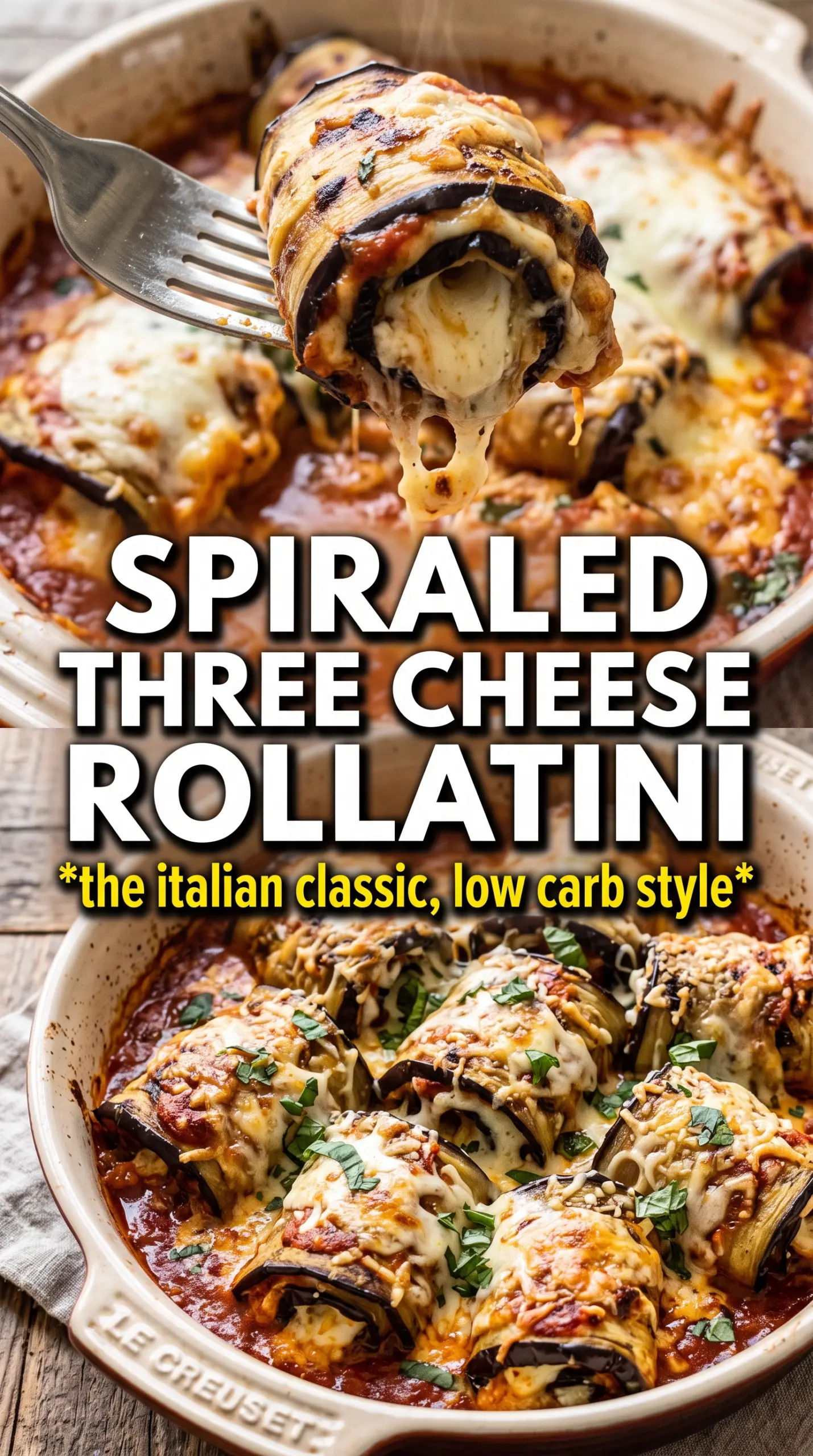
- Ricotta — This is the body of the filling. A whole-milk ricotta gives a richer, smoother texture than part-skim, but part-skim still works if that’s what you have. If your ricotta seems loose, drain it in a fine-mesh sieve for 15 to 20 minutes before mixing.
- Mozzarella — The mozzarella gives stretch and helps the filling melt into itself. Use shredded low-moisture mozzarella for the best texture; fresh mozzarella has too much water for this dish and can make the filling slack.
- Parmesan — Parmesan adds salt and depth that ricotta alone can’t deliver. Freshly grated is worth it here because it melts more smoothly and tastes sharper than the pre-grated stuff.
- Egg — The egg is the binder that helps the filling set once it bakes. Without it, the cheese mixture can ooze out when you slice the rolls.
- Basil and parsley — These keep the filling from tasting flat. Chop them finely so they disappear into the cheese instead of clumping at the edges of each roll.
Rolling, Saucing, and Baking the Pan the Right Way
Softening the Zucchini Without Overcooking It
Lay the salted planks in a single layer and let them sit until you can see moisture on the surface. Pat them dry with real pressure; a quick dab won’t cut it. Then grill or bake just until they bend without snapping, because the goal is pliability, not softness. If they cook too long at this stage, they’ll turn limp in the oven and the rolls won’t hold their shape.
Mixing the Filling So It Stays Creamy
Stir the cheeses, egg, herbs, garlic, salt, and pepper just until combined. Overmixing makes the ricotta looser and can give the filling a slightly pasty texture. You want it thick enough to mound on a spoon. If it looks runny before you start rolling, it will only spread more in the oven.
Building the Dish for Clean, Upright Rolls
Spread a thin layer of marinara in the bottom of the baking dish first. That keeps the zucchini from sticking and gives the rolls a little cushion so they don’t burn on the bottom. Roll each plank tightly from the filled end and set it seam-side down. A snug fit matters, but don’t jam them so close together that the sauce has nowhere to bubble.
Finishing With Cheese and Resting Before Slicing
Spoon the remaining marinara over the rolls and top with mozzarella. Bake until the sauce is bubbling at the edges and the cheese turns melted and spotty golden. The pan will look loose when it comes out, and that’s normal. Give it the full rest so the filling firms up and the sauce thickens enough to spoon cleanly.
How to Adapt These Zucchini Roll-Ups for Different Kitchens
Make It Dairy-Free
Use a dairy-free ricotta-style cheese and a melting mozzarella alternative. The texture will be a little softer and less savory than the original, so add a pinch more salt and a little extra garlic to keep the filling balanced.
Make It Gluten-Free Without Changing the Method
This recipe is naturally gluten-free as written, so there’s nothing special to swap. Just check your marinara label, since some jars use additives or pasta-based thickeners you wouldn’t expect.
Use Egg-Free Filling
You can replace the egg with 2 tablespoons of finely grated parmesan plus 1 tablespoon of cornstarch to help the filling set. It won’t be quite as firm as the original, but it still holds together well if you let the baked dish rest before serving.
Turn It Into a Heartier Main
Add a thin layer of cooked spinach or chopped sautéed mushrooms inside each roll before you tuck them up. Keep the extra vegetables well-drained, or they’ll water down the filling and make the rolls spread in the pan.
Storage and Reheating
- Refrigerator: Store covered for up to 4 days. The zucchini softens a little more as it sits, but the flavor gets even better.
- Freezer: Freeze baked rollatini in a tightly sealed container for up to 2 months. Thaw overnight in the fridge; the texture will be softer after freezing, but still good for a baked pasta-style dinner.
- Reheating: Warm covered in a 350°F oven until hot in the center, about 15 to 20 minutes for a small portion. The mistake to avoid is blasting it in the microwave, which can make the zucchini collapse and the cheese separate.
Answers to the Questions Worth Asking
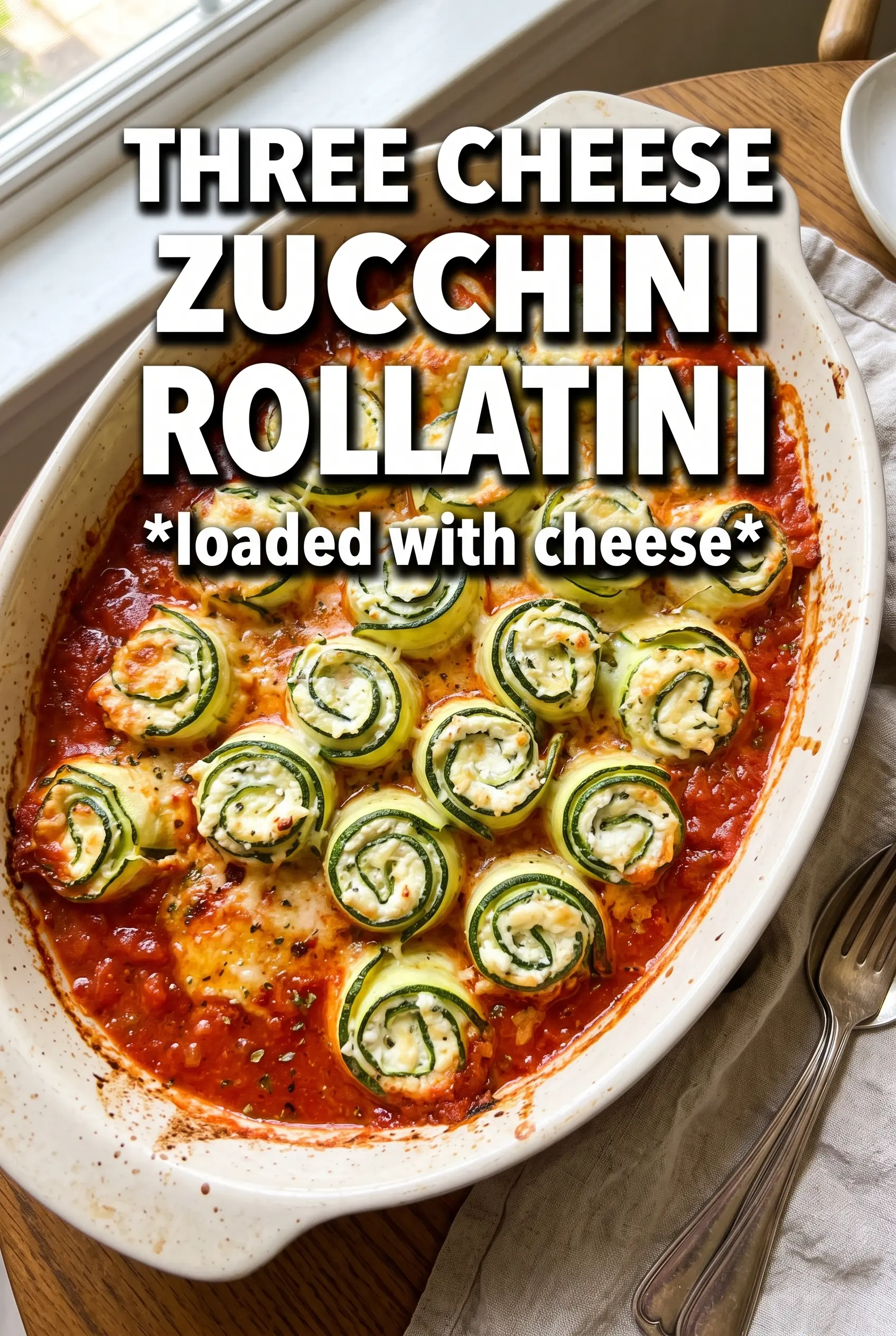
Three Cheese Zucchini Rollatini
Ingredients
Equipment
Method
- Salt the zucchini planks and let them sit for 15 minutes, then pat them completely dry to remove excess moisture.
- Grill the planks on a grill pan or bake at 400°F for 8 minutes to soften slightly and remove moisture, then let them cool.
- Preheat the oven to 375°F.
- Mix the filling ingredients—ricotta, 1 cup mozzarella, parmesan, egg, basil, parsley, garlic, salt, and pepper—until well combined.
- Spread 1 cup marinara in the bottom of a 9x13 baking dish.
- Lay each zucchini plank flat, spread a spoonful of three-cheese filling along one end, and roll tightly.
- Place the rolls seam-side down in the baking dish.
- Spoon the remaining marinara over the rolls and top with shredded mozzarella.
- Bake at 375°F for 28–35 minutes until the cheese is melted, golden, and bubbling.
- Rest for 10 minutes, then garnish with extra parmesan and basil.


